






Start with the solar setup that suits your home
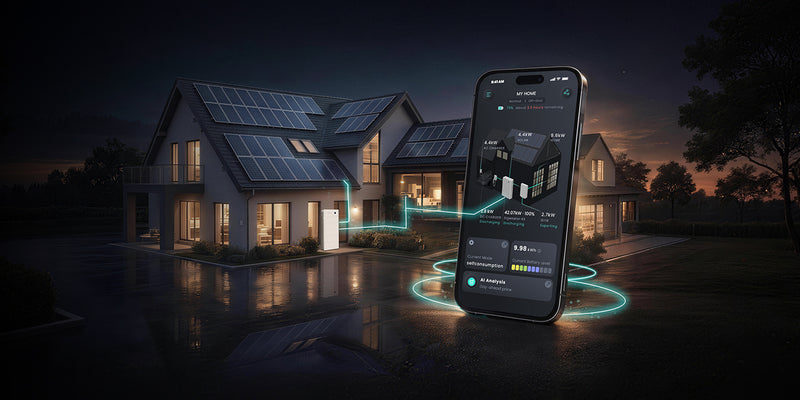
A home battery can help you save solar energy for later, whether you are planning your first solar installation or looking to use compatible equipment you already own. Before comparing batteries, it helps to understand how the panels, inverter and storage will work together.
The right approach depends on your available space, existing equipment and how you want to use the energy.
Three ways to combine solar and storage
Direct solar panel connection
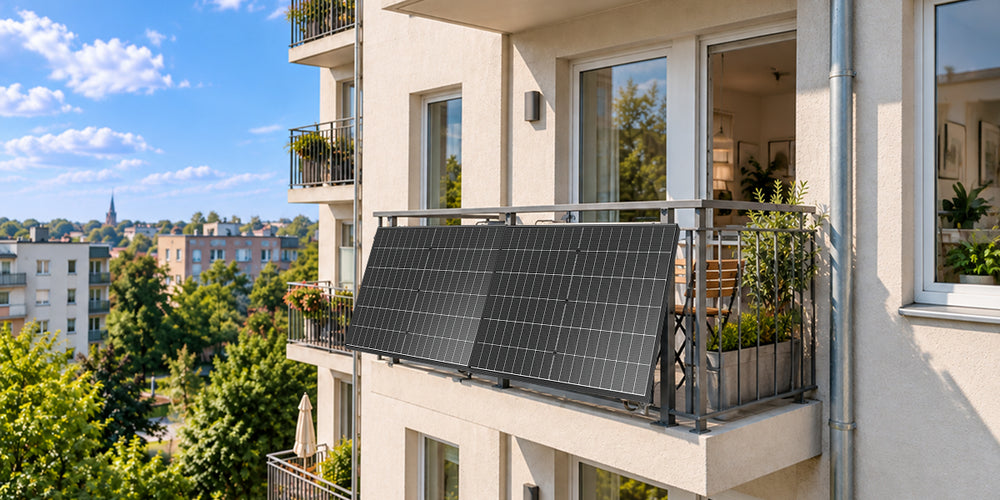
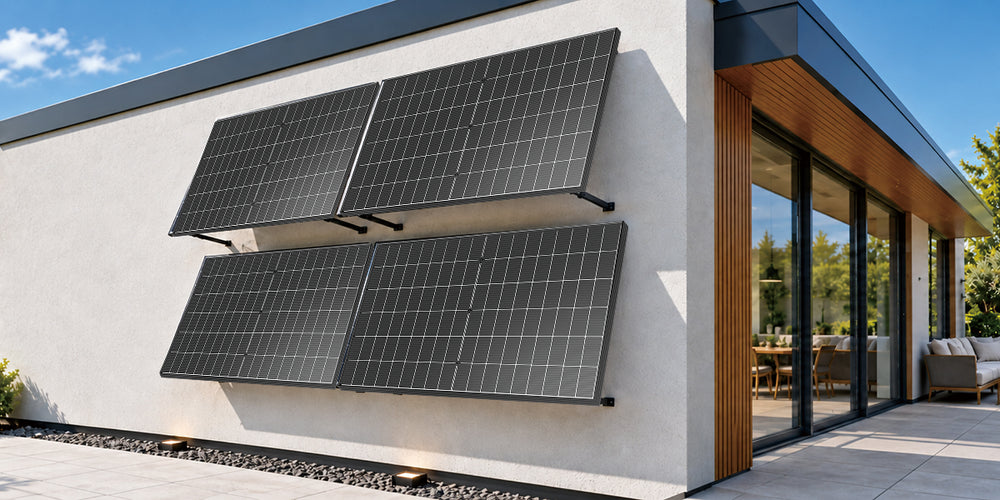
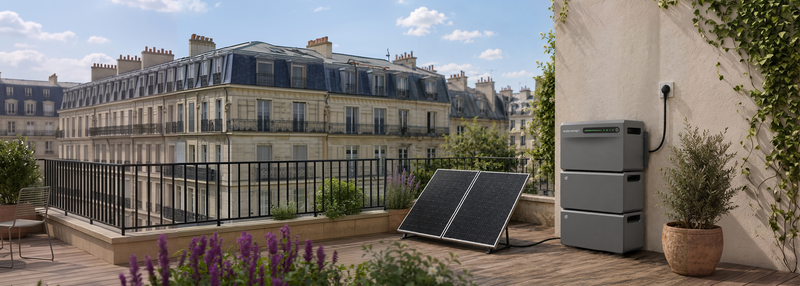
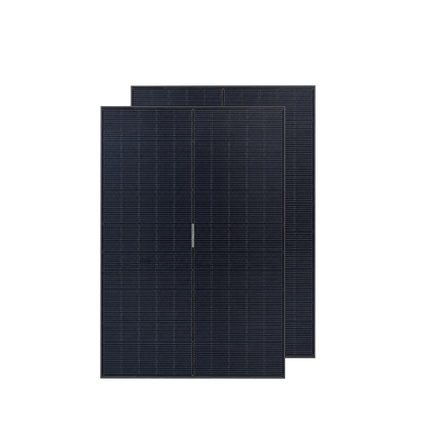
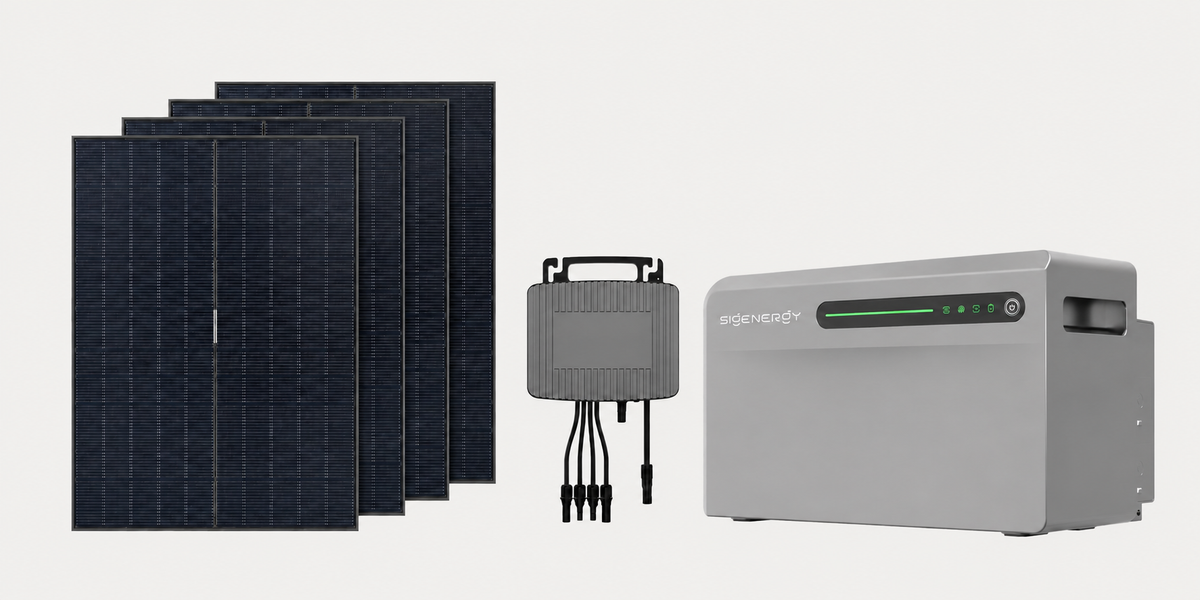
Some battery systems have dedicated DC-PV inputs, allowing compatible panels to connect directly. This can simplify a new setup because a separate microinverter is not needed between those panels and the battery system.
Connection through a microinverter
A microinverter converts the panels' DC electricity into AC. A battery designed to accept a microinverter connection can offer a way to use compatible panels and a microinverter you already own.
Connection alongside an existing rooftop inverter
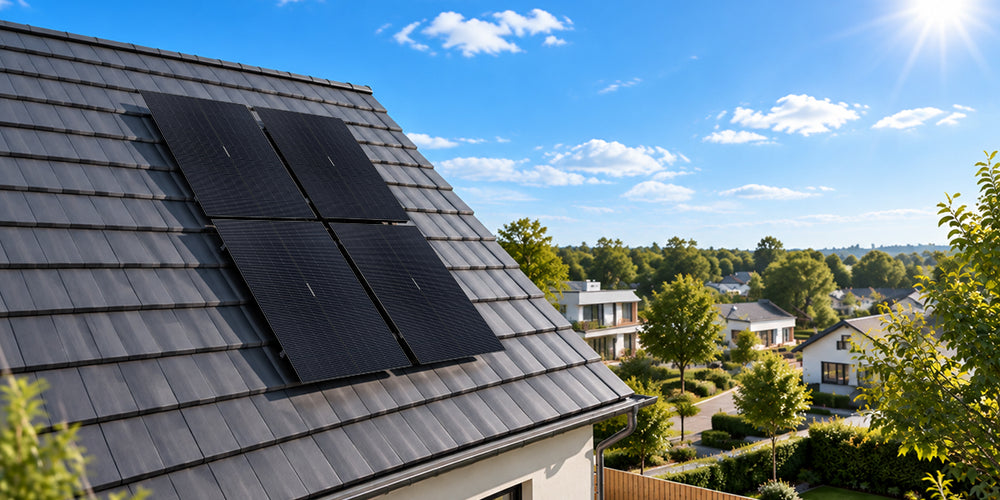
Many rooftop solar systems use a residential inverter, often a string inverter, to convert electricity from multiple panels into AC for the home. With a compatible AC-coupled battery, storage can be added through the household AC circuit while the rooftop inverter remains in place. This can offer a retrofit route without replacing the original inverter, but the battery must explicitly support this arrangement. A compatible hybrid inverter may also offer a manufacturer-specific battery connection.
Solar panels and microinverters from all brands — two flexible ways to connect
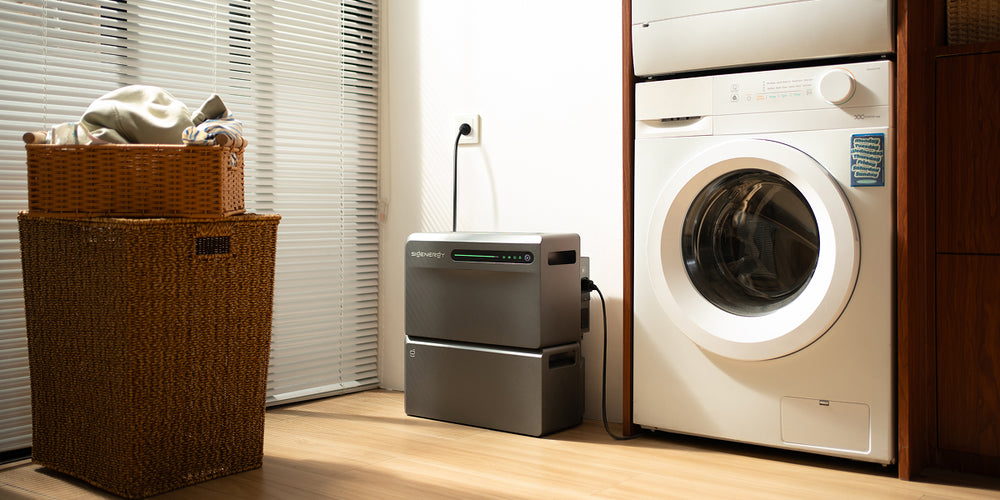
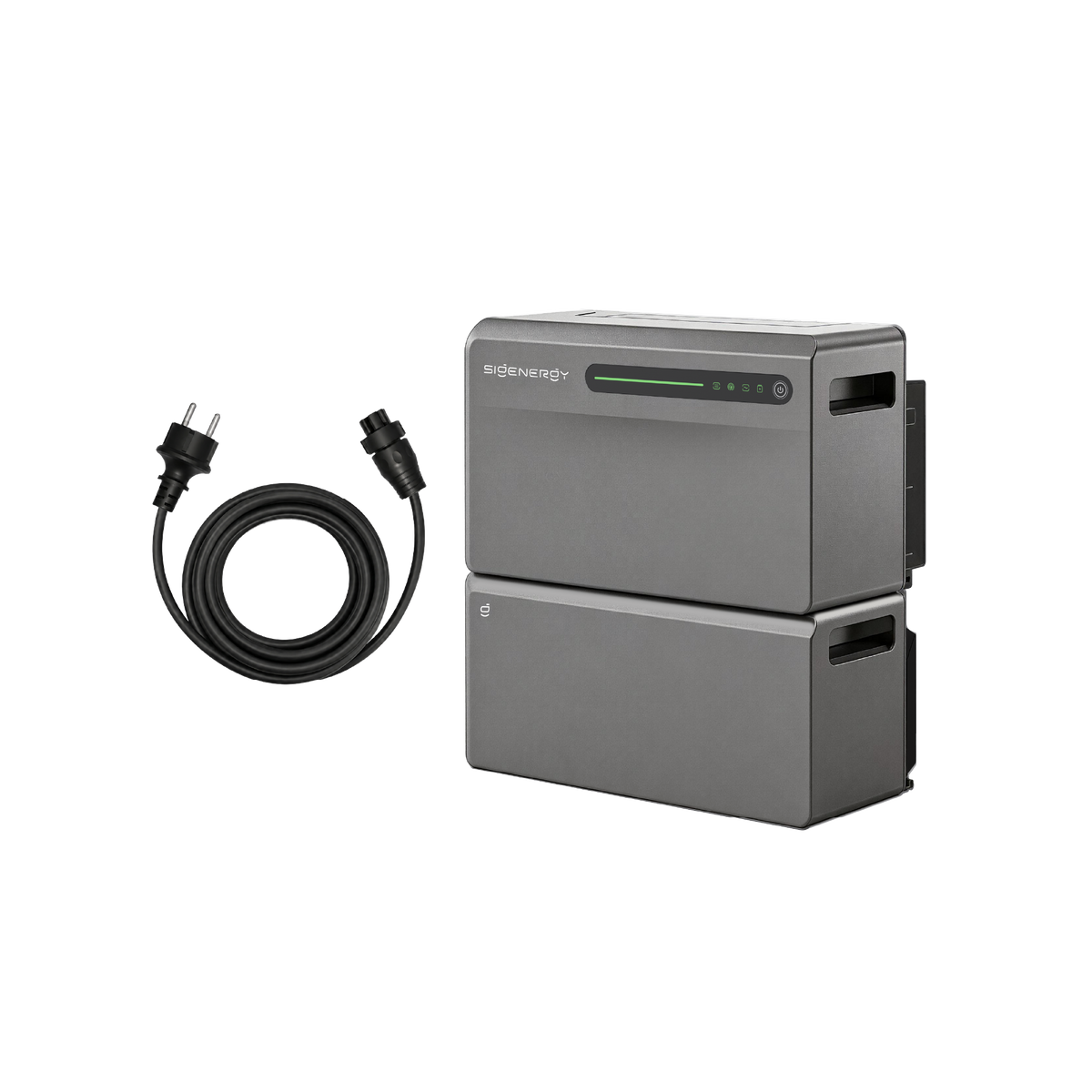
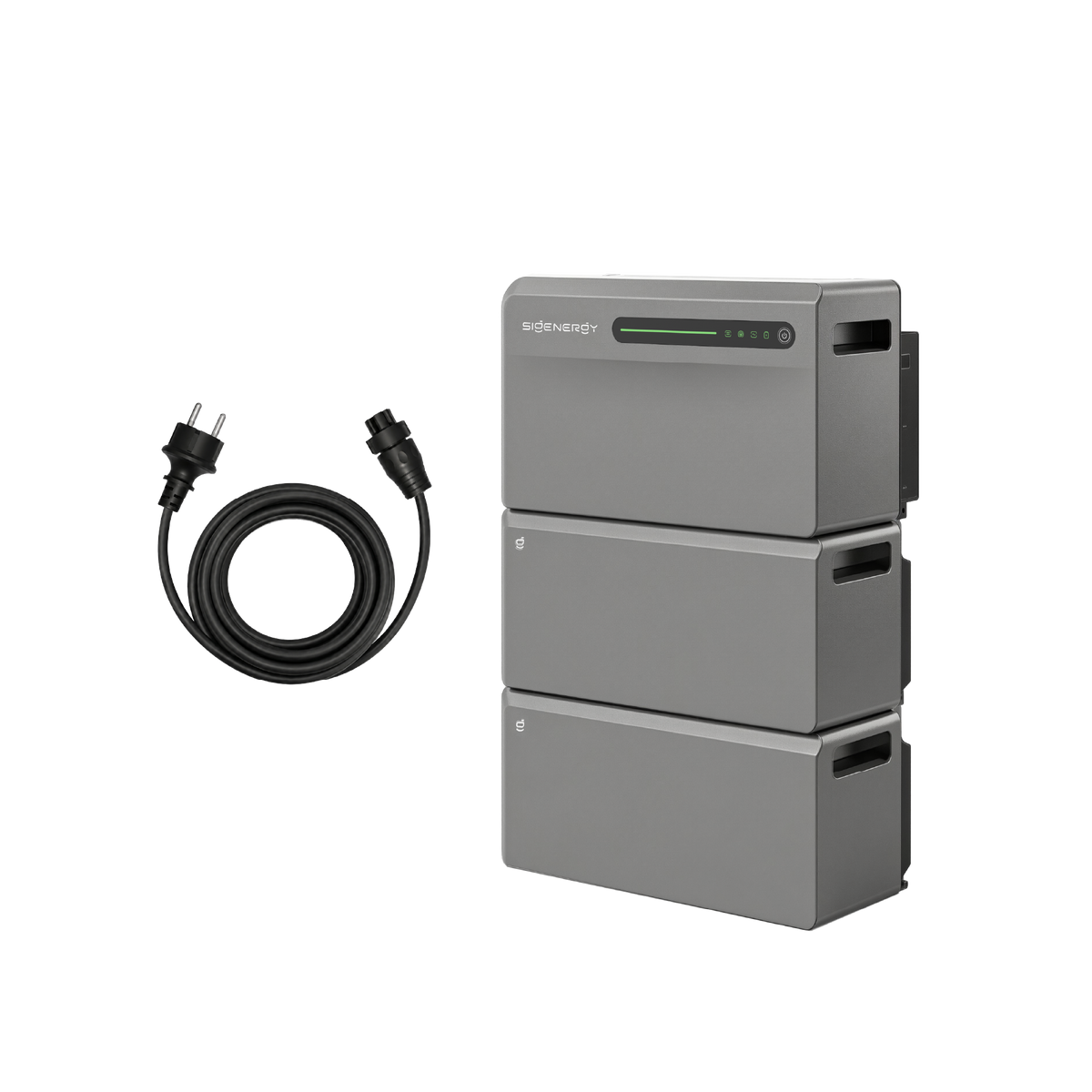
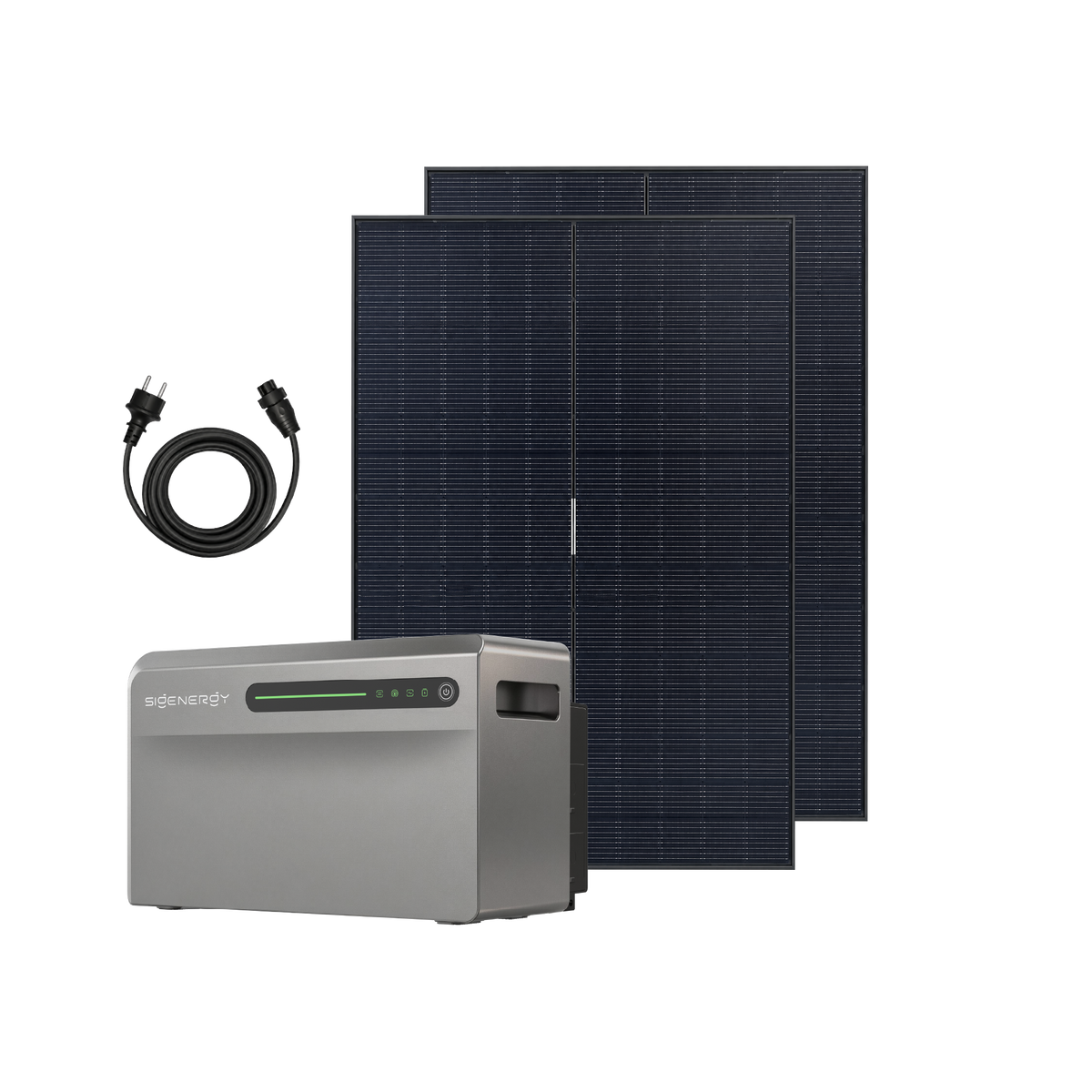
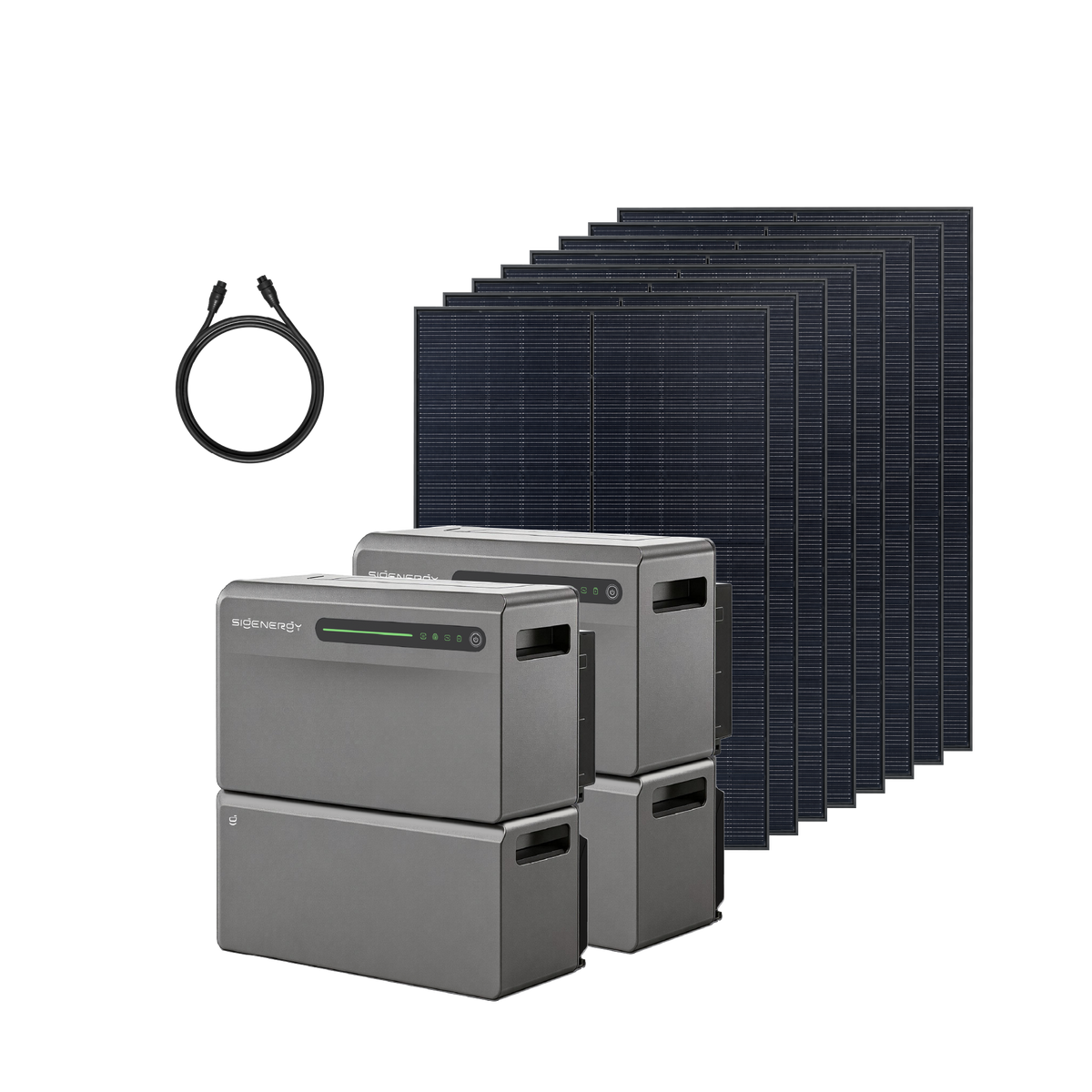
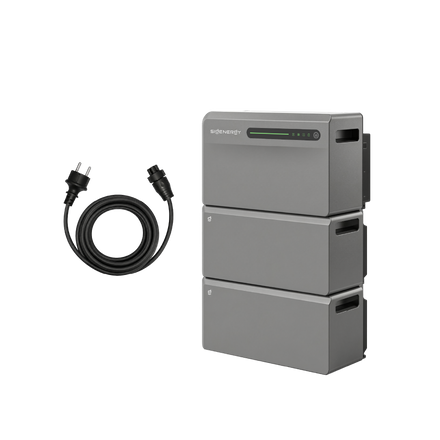
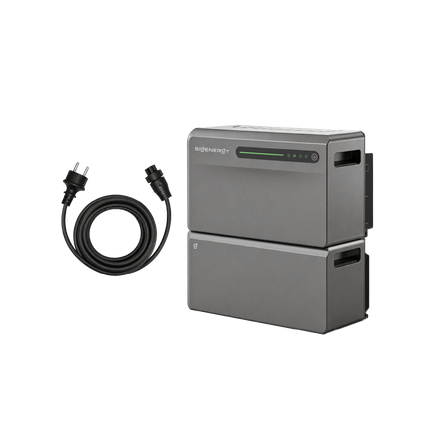
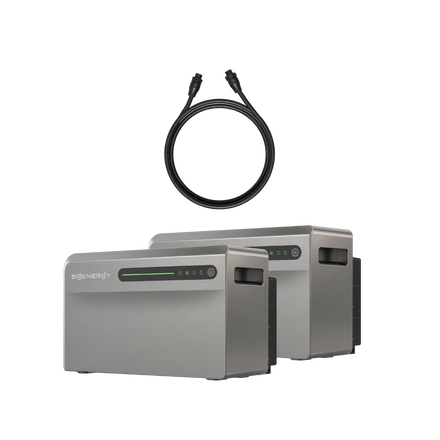
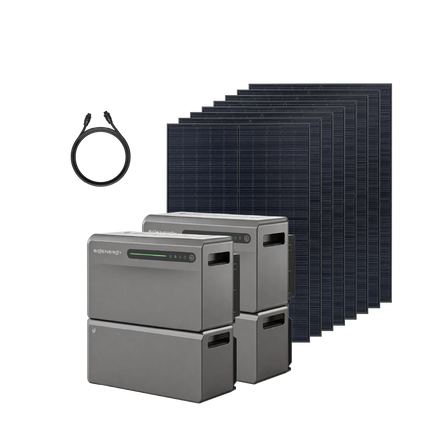
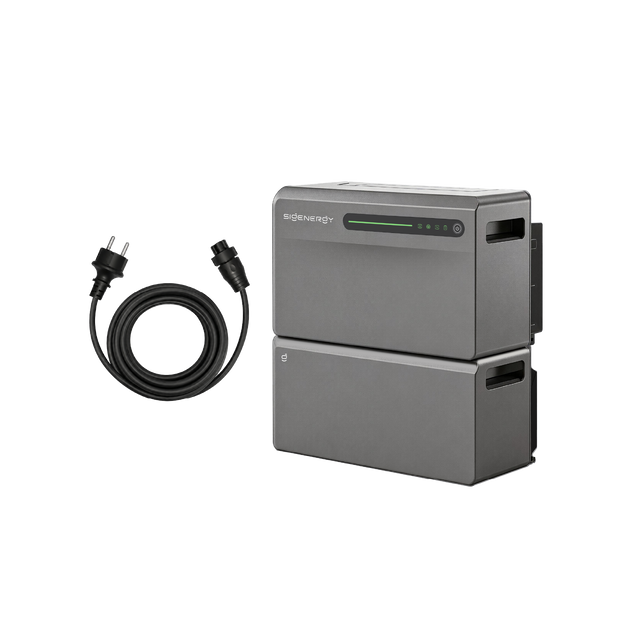
SigenMate 2700 Ultra is compatible with solar panels and microinverters from all brands, provided they meet its electrical specifications and supported connection requirements.
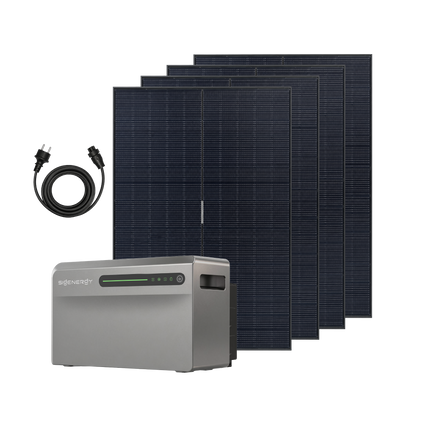
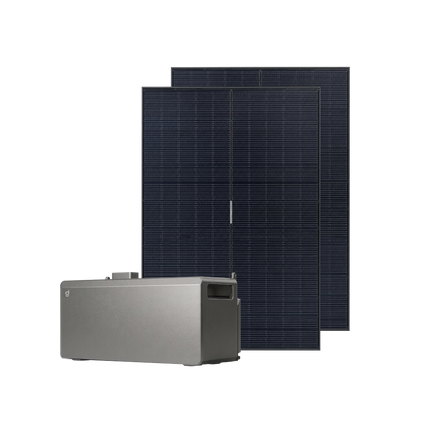
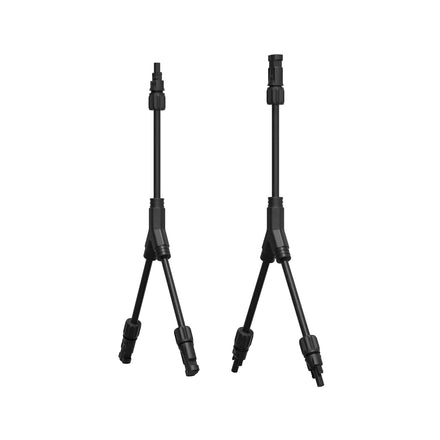
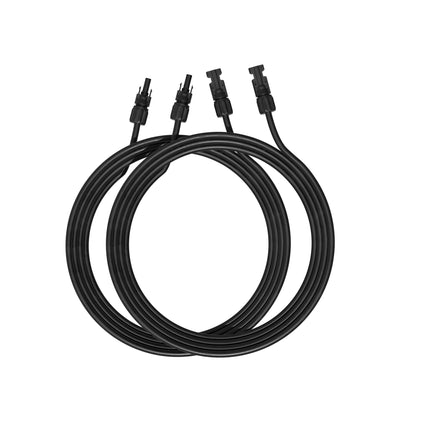
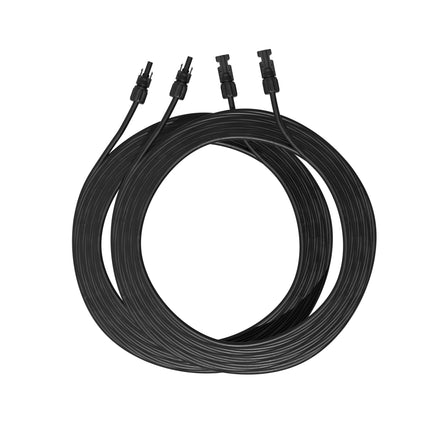
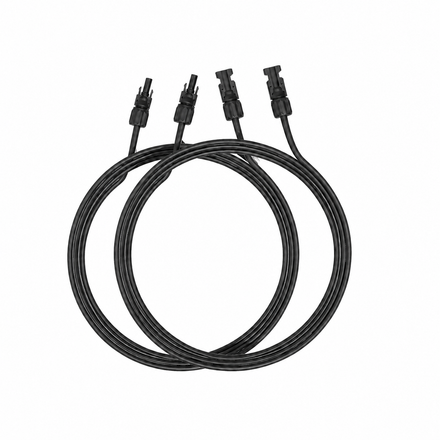
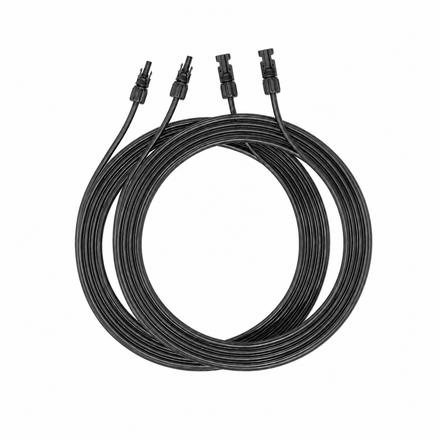
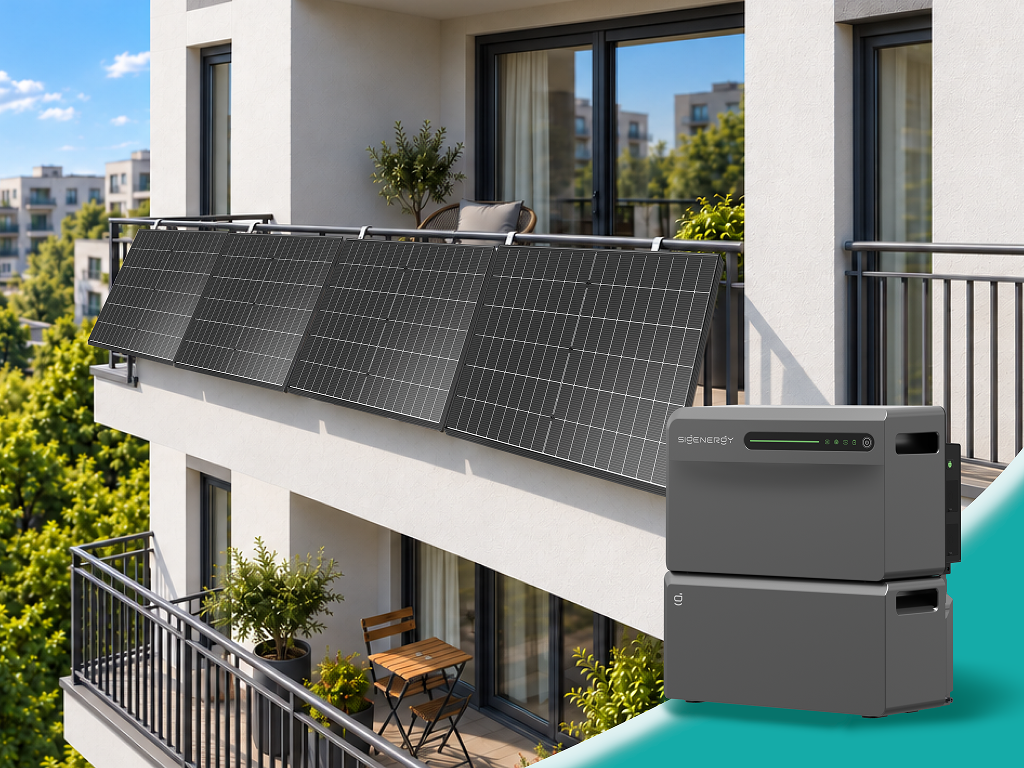
Connect solar panels directly: Panels connect to SigenMate's DC-PV inputs, with no separate microinverter needed between the panels and SigenMate.
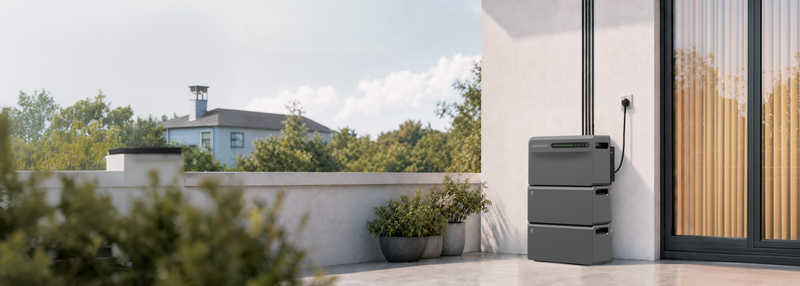
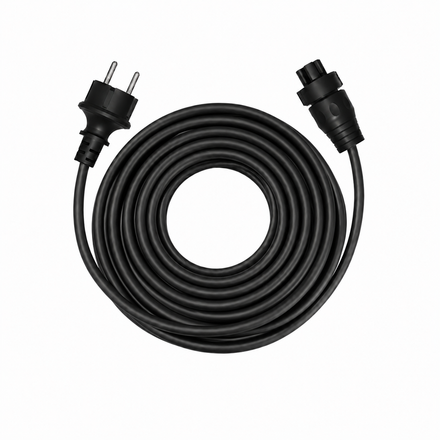
Keep your microinverter: Connect its AC output to any one of SigenMate's AC outlets, whether it is a Sigenergy or third-party model that meets the connection requirements.
Whether you are starting a new solar setup or reusing suitable equipment, these two options give you more flexibility over brands and system design.
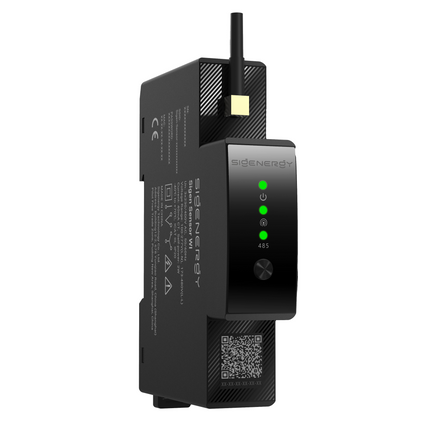
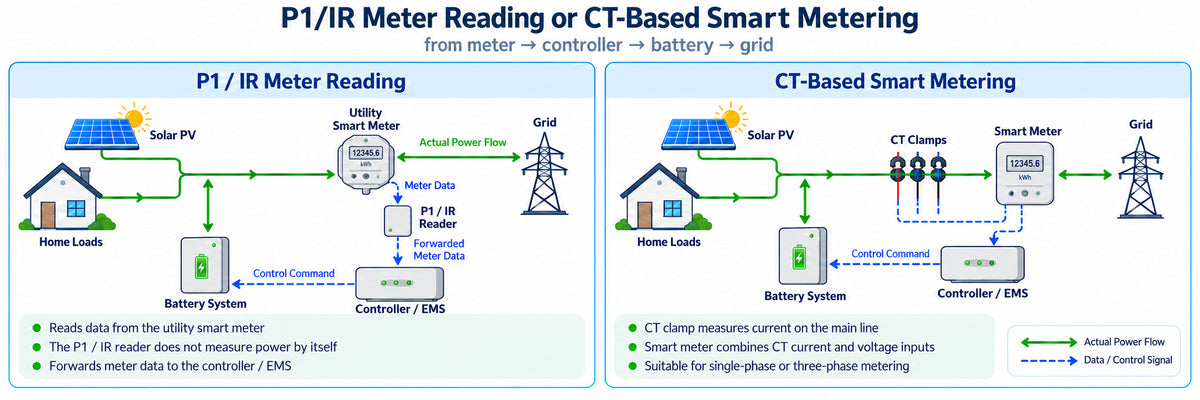
A suitable plug-in microinverter can connect directly to SigenMate. If you already have a third-party rooftop inverter on your home’s AC network, you can add it in the mySigen app. Check your inverter model, wiring and metering setup before installation. A compatible meter can provide generation data for monitoring.
For connection requirements, supported meters and recommended accessories, see our SigenMate FAQ.
A practical retrofit checklist
- Existing PV inverter or microinverter model
- Smart meter / P1 availability
- Main connection type and household power limits
- Available installation location
- Desired battery capacity
- Desired backup function
- Dynamic tariff use
- App and energy-management compatibility
Frequently asked questions
Can I keep my existing solar panels and inverter?
Yes, you can keep suitable solar panels and a third-party inverter when adding SigenMate 2700 Ultra. A compatible plug-in microinverter can connect directly to SigenMate. If your existing inverter is connected to your home’s AC network, add it in the mySigen app and check the wiring and metering requirements for your installation.
Do I need a microinverter to connect panels to SigenMate?
No separate microinverter is needed between compatible panels and SigenMate when they connect directly to its DC-PV inputs. Follow the input limits and installation instructions: do not connect panels in series or exceed the 60 V input safety limit.
Which microinverters can I connect, and how many?
SigenMate supports Sigenergy and third-party microinverters connected to any one of its AC outlets. Connecting one microinverter is recommended, within the applicable local plug-in power limit. The FAQ's 800 W figure is an example; check the limit for your installation.
Will adding storage keep my appliances running during a power outage?
Backup depends on the battery system, its configuration and how the appliances are connected. Do not assume that adding a battery will power the whole home or keep an existing grid-connected solar inverter operating during an outage.

Leave a comment
This site is protected by hCaptcha and the hCaptcha Privacy Policy and Terms of Service apply.