












A Smart Battery Depends on Accurate Energy Measurements
A home battery can adjust its charging and discharging based on household electricity use and grid power measurements. The goal may be to increase solar self-consumption, reduce grid imports or limit electricity exported to the grid.
To do this, the energy-management system needs reliable information about power flow at the relevant measurement point.
In Dutch homes, there are two common ways to obtain this information:
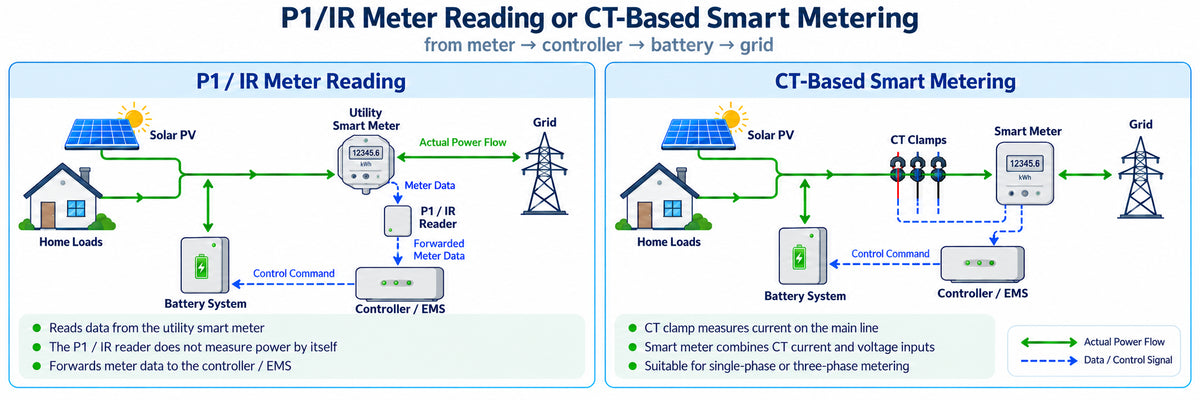
- P1/IR meter reading: A compatible reader retrieves data from an existing electricity meter.
- CT-based smart metering: A separate compatible energy meter uses current transformer (CT) sensors and voltage measurements to calculate electrical power.
These are different measurement architectures, not two types of interchangeable meter readers. Their practical performance depends on the complete measurement and control chain.
What Does a P1/IR Reader Do?
A P1 reader connects to the P1 port of a compatible Dutch smart meter and retrieves the measurement data that the meter provides. An IR reader obtains supported meter data through an optical interface.
The existing electricity meter performs the electrical measurement. The P1 or IR reader retrieves and forwards the available data to a compatible app or energy-management system.
This approach can simplify installation because a separate CT sensor does not need to be installed as part of the reader setup.
However, the available data and update frequency depend on the existing meter, its communication protocol and the reader.
What Is CT-Based Smart Metering?
A current transformer (CT) measures electrical current around a conductor. In a CT-based metering system, the compatible meter combines current measurements from the CT sensors with voltage measurements to calculate electrical power and energy.
The meter then sends the resulting data to the energy-management system, which can use it to adjust battery charging and discharging.
A CT sensor alone is not a complete smart meter and does not independently control a battery.
CT-based metering requires the correct sensor placement, voltage connections and supported meter configuration. The installation requirements depend on the specific equipment and should follow the manufacturer's instructions.
Importantly, CT-based metering is not automatically faster or more accurate than P1 reading. Actual performance depends on the meter's sampling and update rate, communication path, controller and inverter response, and the overall system configuration.
Why Does the Measurement Update Interval Matter?
Imagine a household where solar generation suddenly exceeds electricity consumption.
The energy-management system needs to detect the change and respond appropriately. Depending on the system, it may increase battery charging or control a compatible solar inverter to limit excess generation.
If measurement data is delayed, or if the controller and inverter need time to respond, some electricity may temporarily flow to the grid before the system adjusts.
A similar effect can occur when household consumption suddenly falls while the battery is still discharging.
This is why zero export should generally be understood as a control target, not a guarantee that grid export will remain exactly at 0 W at every instant.
The actual result depends on the measurement update interval, communication latency, control response, battery operating limits and supported system architecture.
P1/IR Reading vs CT-Based Smart Metering: which is better?
There is no universal answer.
P1 can be attractive when:
- the meter is compatible;
- update speed is sufficient;
- the user wants minimal installation.
CT measurement can be attractive when:
- the selected complete CT system demonstrably provides the required response speed;
- the smart meter's P1 behavior is limited;
- detailed per-phase measurement is important.
What about three-phase homes?
Many Dutch homes have three-phase grid connections.
A battery may be physically connected to one phase while household consumption occurs across all three.
The control logic therefore needs to understand the total energy balance and, depending on architecture, phase-level limits.
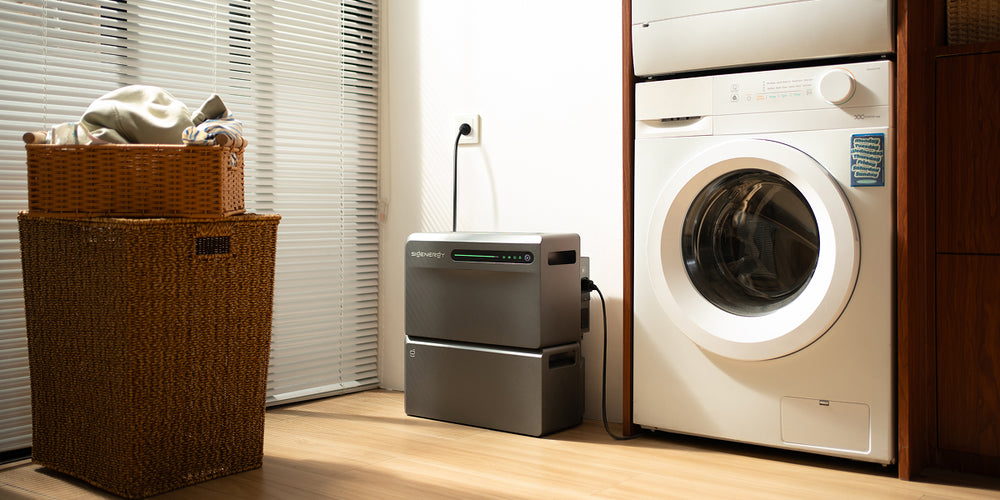
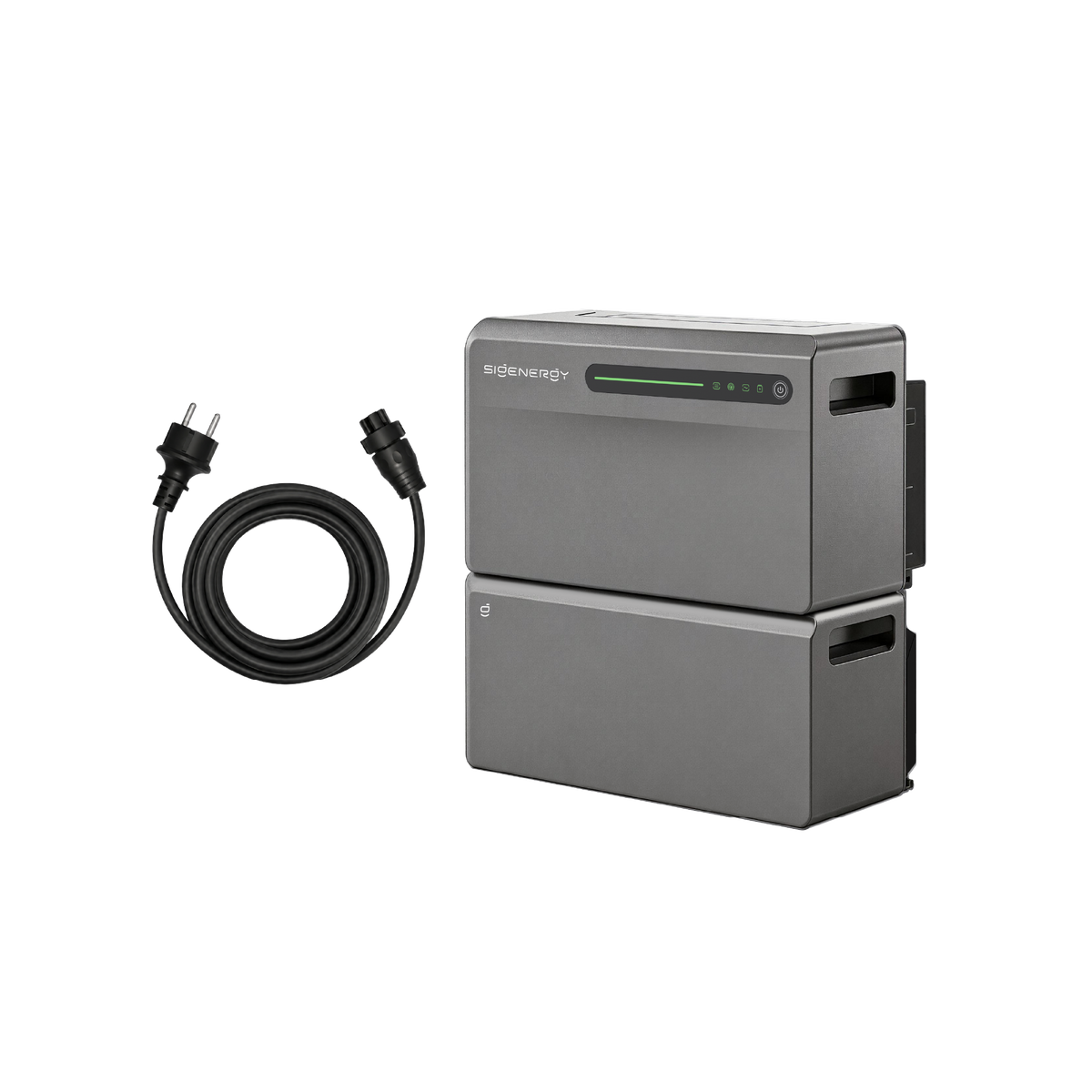
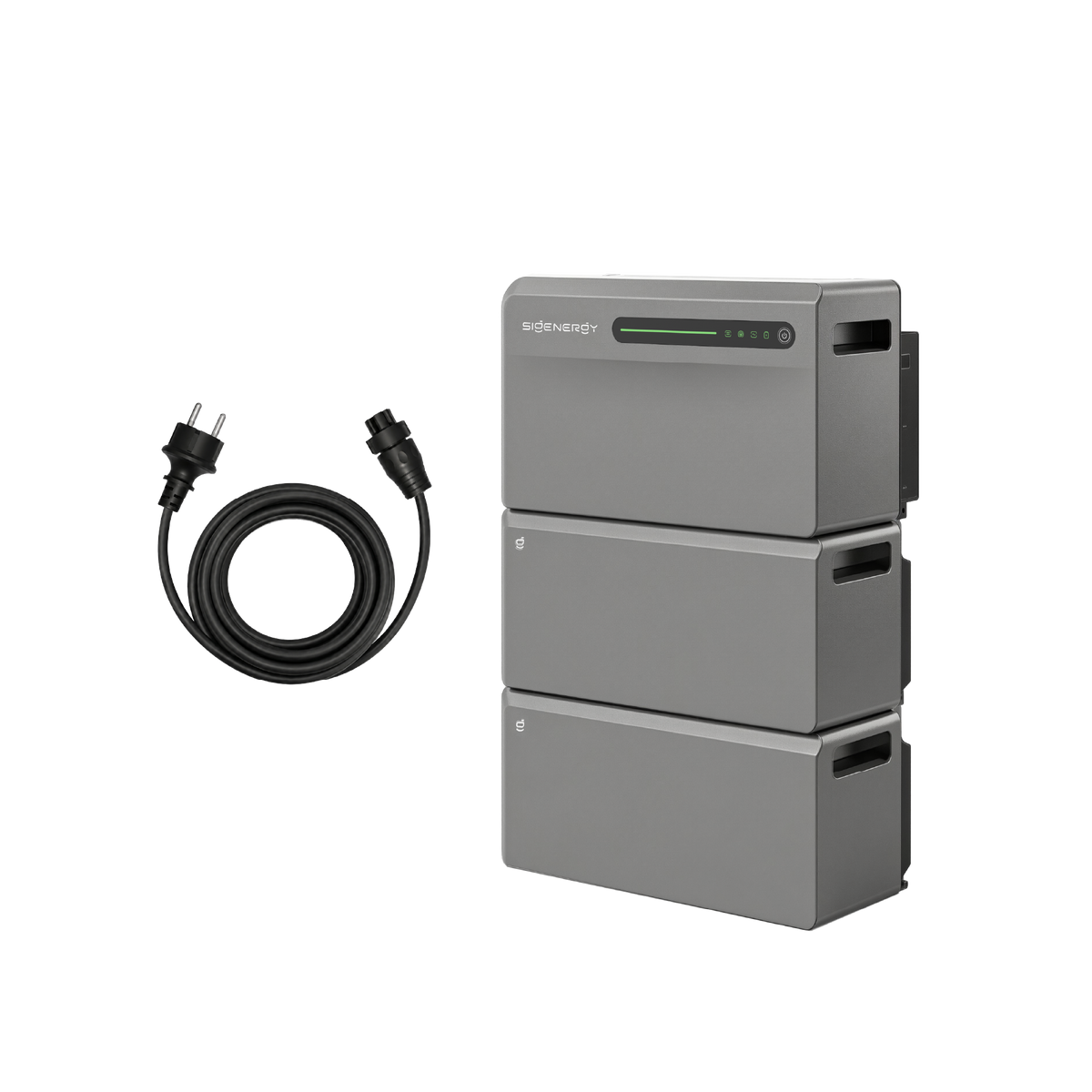
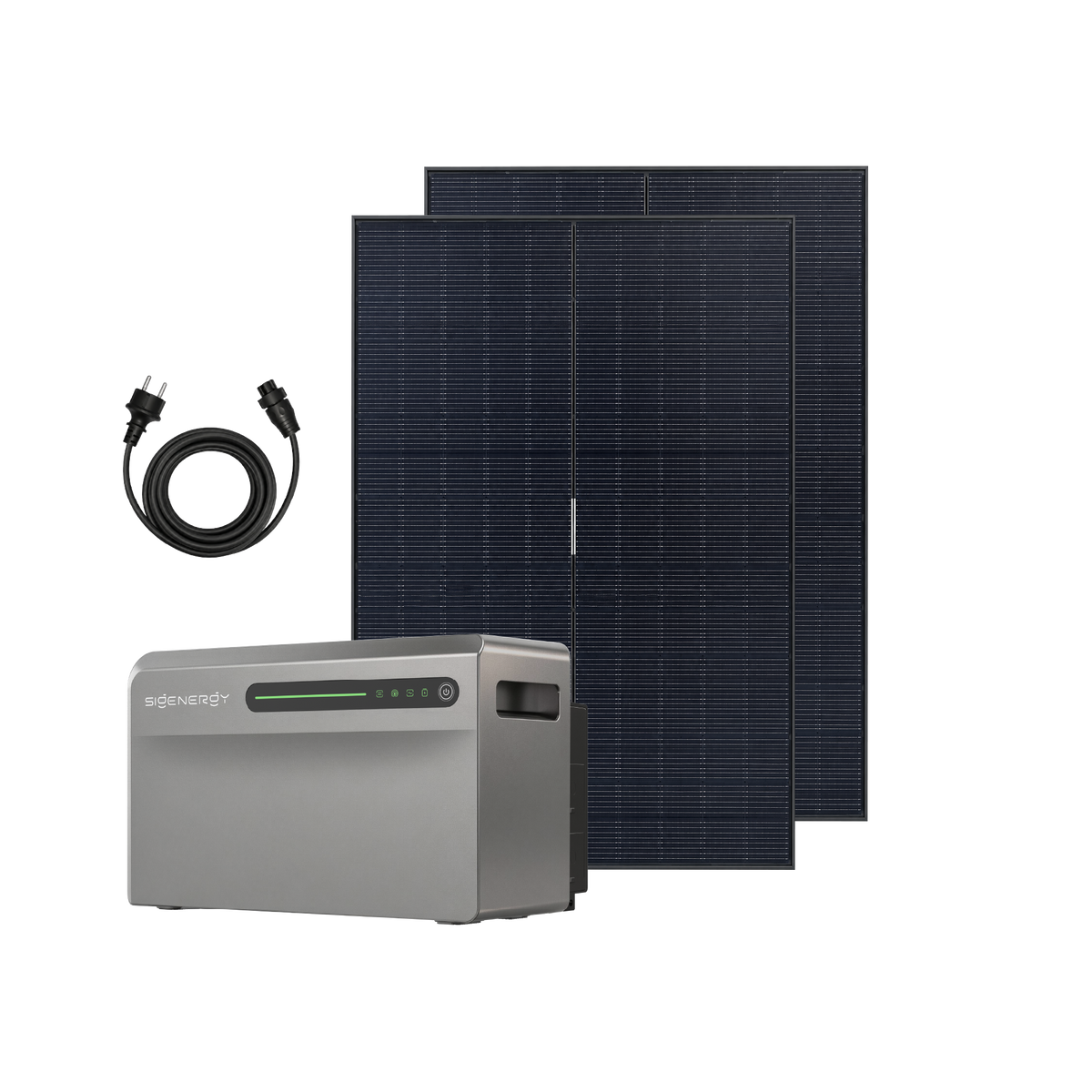
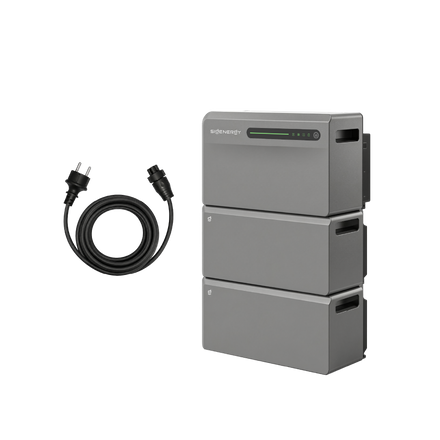
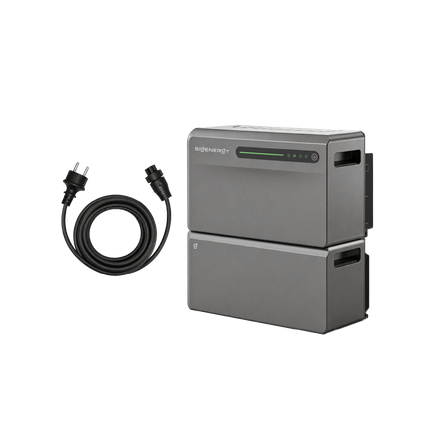
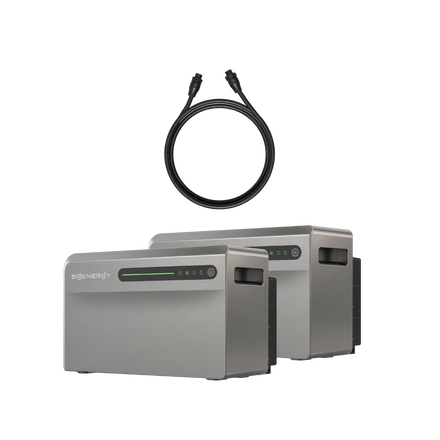
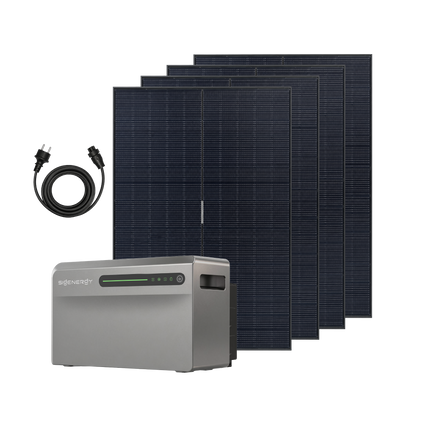
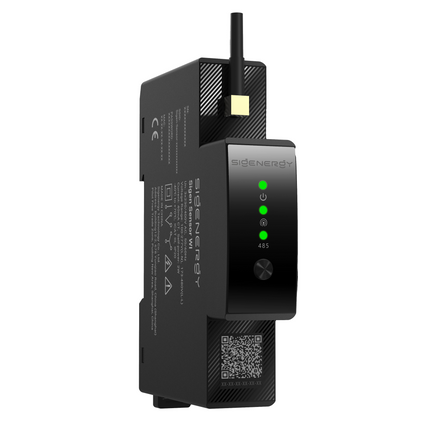
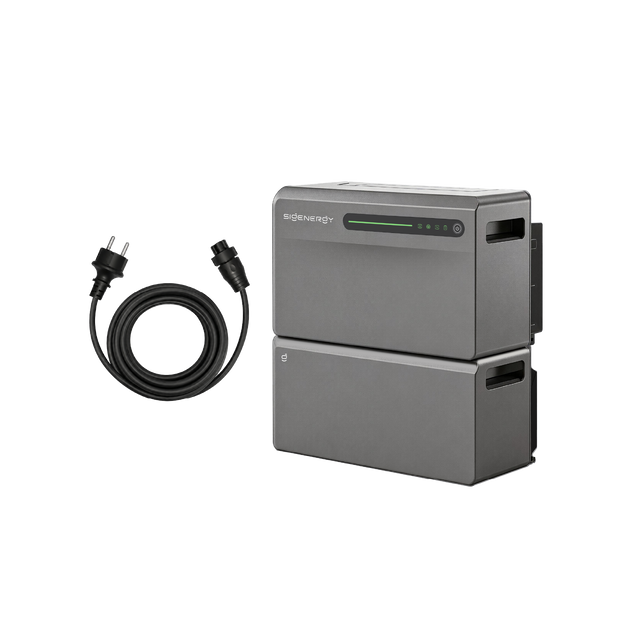
SigenMate uses a single-phase architecture and can be installed in either a single-phase home or on one phase of a three-phase household supply. It measures household grid power through a compatible grid-side meter or meter reader, including supported Shelly and Sigenergy Wi-Fi meters, HomeWizard P1 readers and EcoTracker IR readers.
The meter or reader provides grid power data to SigenMate, which adjusts its own charging and discharging power according to the measured power flow and the active operating strategy. The appropriate metering configuration depends on whether the household has a single-phase or three-phase supply.
A three-phase meter can provide measurements for a three-phase household, but this does not make the single-phase SigenMate a three-phase device. The exact control logic, including whether control is based on total net power or individual phases, depends on the supported meter configuration and must be confirmed for the specific installation.
Why competitor “zero feed-in” claims need context
Several battery brands now advertise near-zero grid import or export using P1-based control.
The practical result depends on:
- meter update interval;
- communication latency;
- Wi-Fi or local-network stability;
- controller response speed;
- battery inverter response;
- phase configuration.
This does not mean the feature is bad. It means consumers should understand the control chain.
What should consumers check before buying?
- Is your exact smart meter model supported?
- How often does its P1 port update?
- Does the system support CT or other measurement as an alternative?
- Does control continue if internet connectivity is lost?
- How are three-phase loads handled?
- Can you see actual import/export data in the app?
- Can you set a target buffer instead of strict 0 W?



Leave a comment
This site is protected by hCaptcha and the hCaptcha Privacy Policy and Terms of Service apply.