



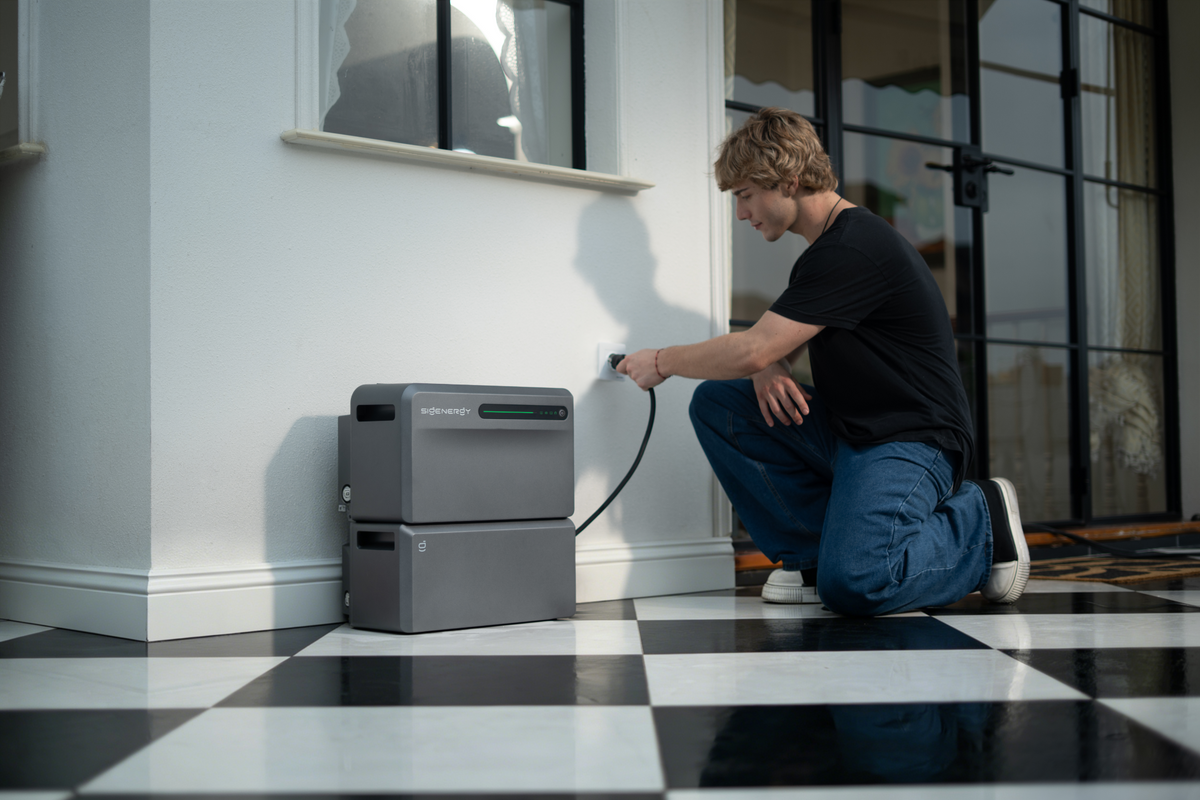
The key change: net metering ends on 1 January 2027
For Dutch households with solar panels, 2027 changes the economics of producing and exporting electricity. Until the end of 2026, qualifying households can still use the salderingsregeling to offset electricity fed into the grid against electricity consumed from the grid over the billing period.
From 1 January 2027, that offset ends. Solar owners will still be allowed to export electricity and will still receive compensation from their energy supplier, but imported electricity and exported electricity will no longer be treated as if they had the same retail value.
From 1 January 2027 until 1 January 2030, the feed-in compensation must be at least 50% of the supplier's bare electricity supply tariff, excluding taxes. Suppliers may charge feed-in fees only for costs they incur in handling exported electricity; ACM oversees these charges. Check the compensation and charges in your contract.
Why self-consumption becomes more valuable
The most valuable solar electricity is increasingly the electricity you can use yourself at the moment it is produced. If your washing machine, heat pump, dishwasher, EV charger or other loads consume solar energy directly, you avoid buying that same electricity from the grid.
After saldering ends, sending a kilowatt-hour to the grid and buying a kilowatt-hour back later will generally no longer be economically equivalent.
That creates a simple question for solar households: how can I move more of my solar production into the hours when I actually need electricity?
There are three main answers:
- shift flexible loads to daylight hours;
- use smart controls that react to solar production, household demand and electricity prices;
- store suitable surplus energy in a home battery for later use.
Does that automatically make a home battery profitable?
No. A battery should not be presented as a guaranteed return-on-investment product.
Its economics depend on several variables: installation cost, battery size, round-trip efficiency, electricity prices, export compensation, terugleverkosten, household load profile and how intelligently the battery is operated.
A battery that is too large for the household can spend much of its life underused. A battery that is too small may fill early on sunny days and leave further solar production available for export.
The useful question is therefore not “Do I need the biggest battery?” but “How much of my recurring solar surplus can I realistically shift into later household consumption?”
Why smart control matters more after 2027
A battery becomes more useful when it is part of an energy-management system rather than a passive box.
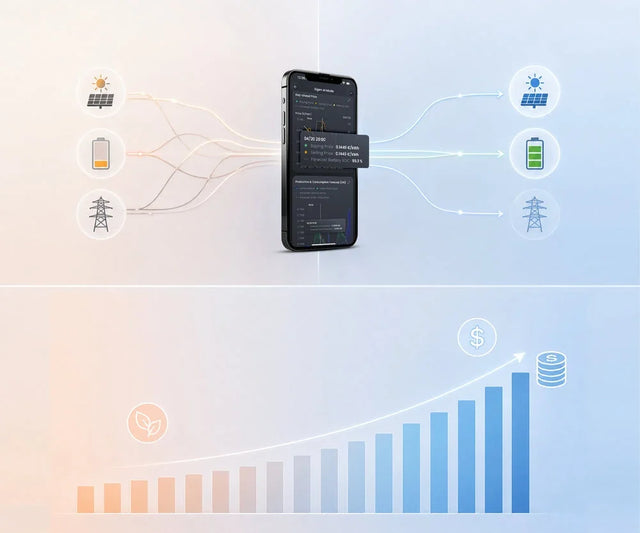
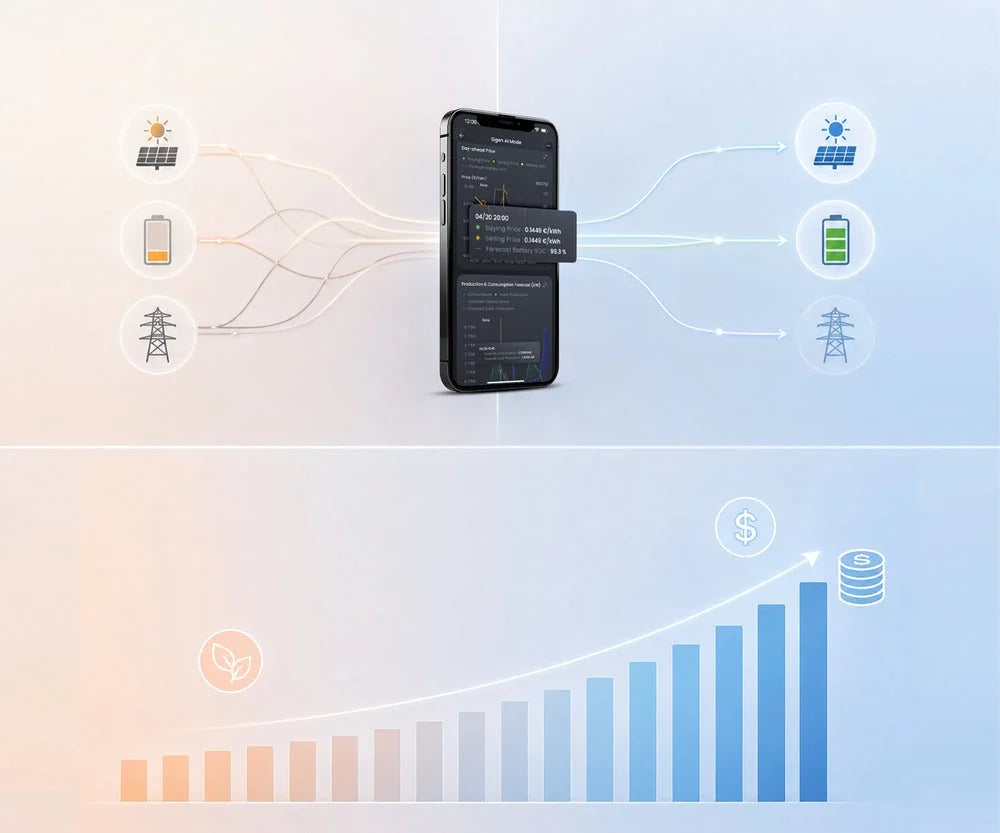
A smart system can potentially decide whether available energy should be used immediately, stored for later or—in configurations that support it—charged when electricity is inexpensive. Weather forecasts, expected solar production, household demand and dynamic tariffs can all affect that decision.
In the Netherlands, SigenMate supports AI Mode and time-of-use (TOU) operation. After the initial learning period, AI Mode combines household consumption data, PV forecasts, weather information and dynamic electricity tariffs to plan charging and discharging. Grid charging and tariff-based operation depend on compatible settings, the installation and the energy contract. A compatible meter, such as the separately sold HomeWizard P1, can provide household measurement data. Check the current compatibility requirements before purchase. Negative market prices do not necessarily mean that the total electricity price, including taxes and supplier fees, is negative.
A practical example
Imagine a household that produces a strong solar surplus around noon but consumes most electricity between 17:00 and 22:00.
Without load shifting or storage, much of the midday production may be exported. With smart appliances, some consumption can be moved forward. With a correctly sized battery, another part of the midday surplus can be shifted into the evening.
The exact financial result is household-specific, but the direction is clear: after net metering ends, timing matters more.
What should a Dutch solar household prepare for now?
- Check annual solar production and how much is currently exported.
- Look at hourly or quarter-hourly consumption if your energy app provides it.
- Identify flexible loads that can run during solar hours.
- Compare your supplier's export compensation and terugleverkosten.
- If considering a battery, size it around realistic surplus and evening demand.
- Evaluate whether smart energy management can coordinate solar, storage, household loads and tariffs.

Illustrative comparison of a household without storage and one using optional storage. Batteries can be used before 2027 and are not mandatory after 2027. The change concerns billing rules, not the physical flow of electricity.


Leave a comment
This site is protected by hCaptcha and the hCaptcha Privacy Policy and Terms of Service apply.