









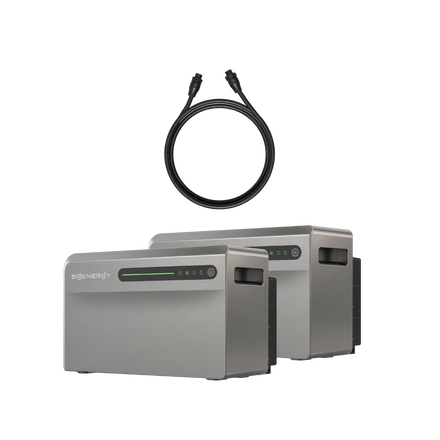
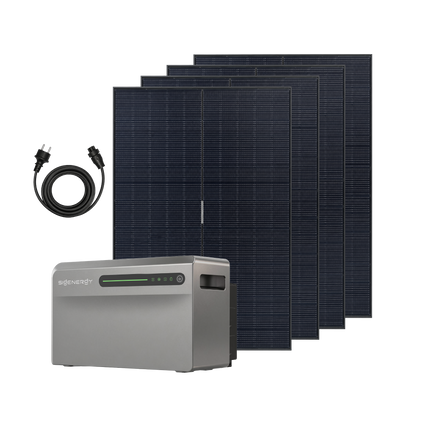

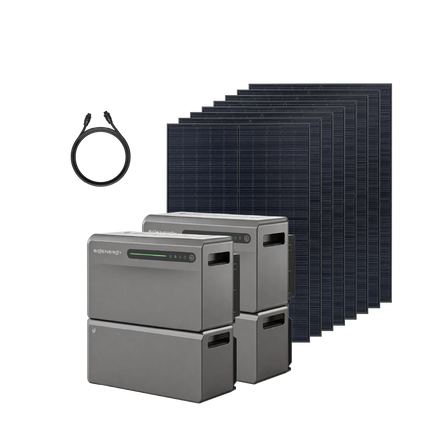

Solar electricity has different financial values depending on when and how you use it. Before buying a battery, compare what happens to the same amount of surplus electricity if you export it or store it.
Start with the right policy change
Dutch statutory net metering ends on 1 January 2027. Exporting electricity remains possible; it will no longer offset later imports through statutory net metering. See the government explanation.
Your contract therefore matters on both sides: the price of imported electricity and the compensation and charges associated with exports.
Follow 4 kWh through two options
Consider this illustrative day, after the household has used the solar electricity it needs immediately:
| Assumption | Example only |
|---|---|
| Surplus available to export or charge | 4 kWh |
| Later electricity purchase price | €0.30/kWh |
| Export compensation | €0.06/kWh |
| Assumed AC-to-AC storage efficiency | 90% |
| Later household demand | At least 3.6 kWh |
These figures are illustrative. Actual export compensation depends on your contract and applicable rules. The assumed efficiency is not a SigenMate specification. The battery is assumed to have enough free usable capacity and charging power.
Export: Selling 4 kWh earns €0.24. Buying 3.6 kWh later costs €1.08. The net cost for these two transactions is €0.84.
Store: At the assumed efficiency, 4 kWh charged returns 3.6 kWh for later use. This avoids the €1.08 purchase but gives up the €0.24 export payment. The gross operating advantage is therefore €0.84 for this example day, before battery ownership costs and changes in export charges.
Include costs that actually change
The general comparison is:
Value of storage = avoided electricity purchases − forgone export compensation + export charges actually avoided − additional operating costs.
A per-kWh export charge may fall when you export less. A banded charge may only fall if your annual exports cross a threshold. A fixed charge may remain unchanged. Do not count the entire annual export fee as a battery saving without checking your contract.
Battery purchase, installation, standby consumption and long-term wear also matter. Nor should this sunny-day result simply be multiplied by 365: winter output and daily demand vary.
First confirm that the surplus can reach the battery
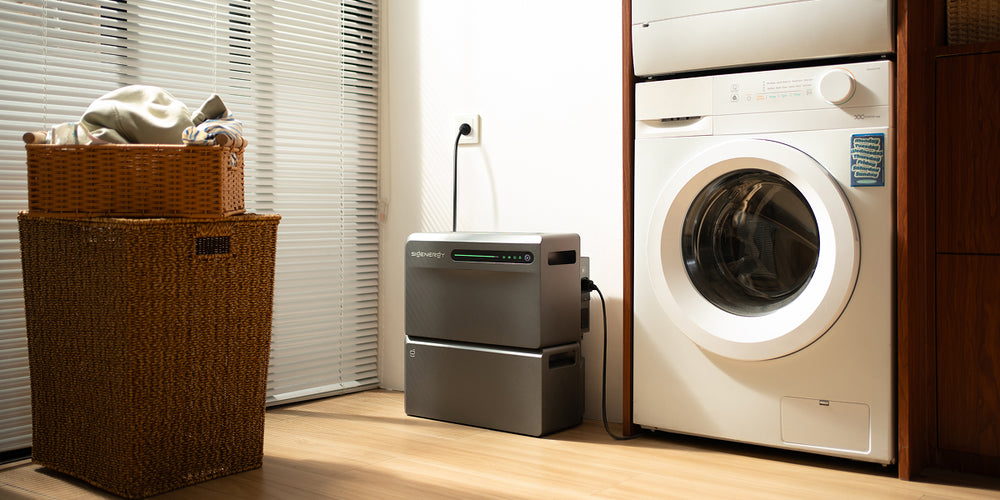
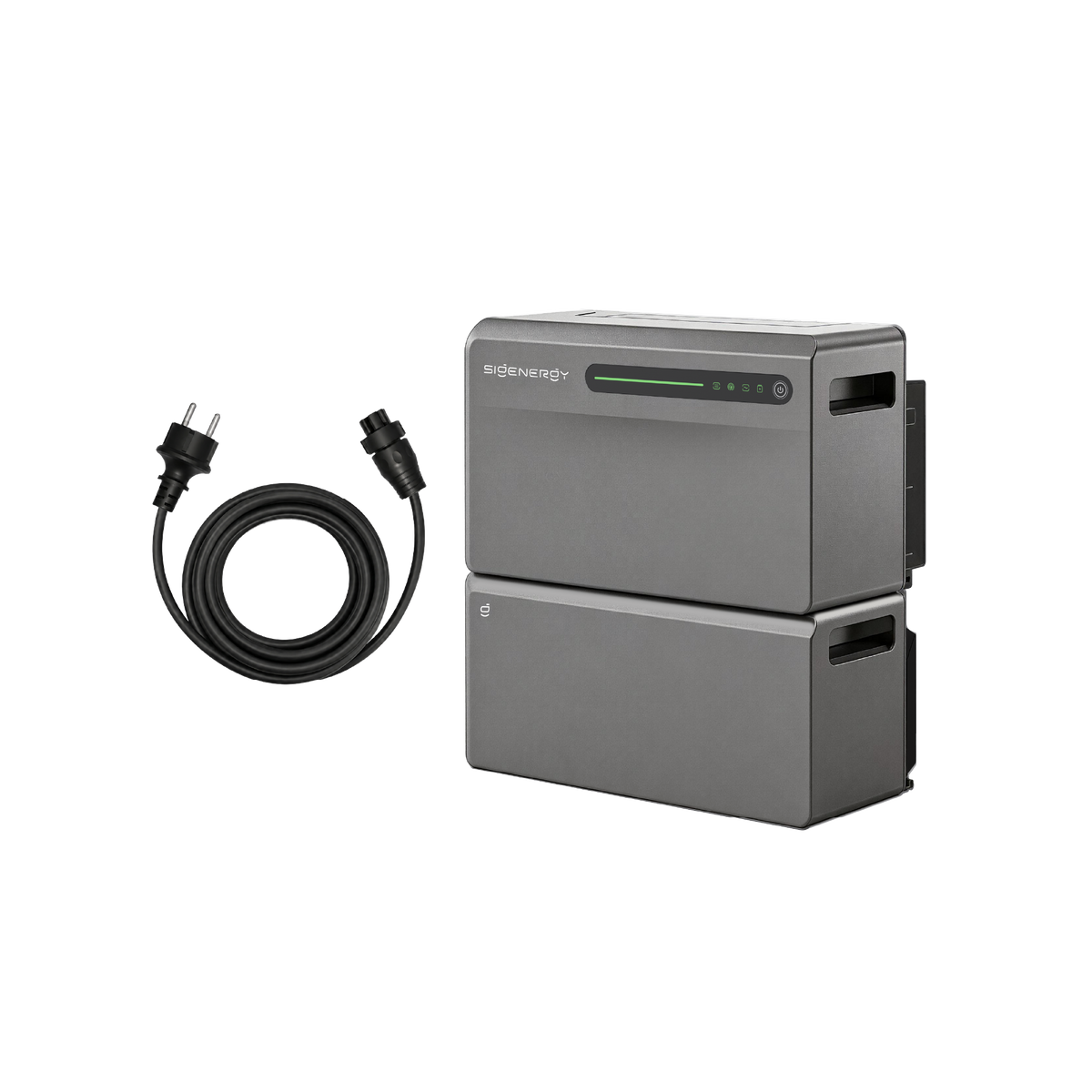
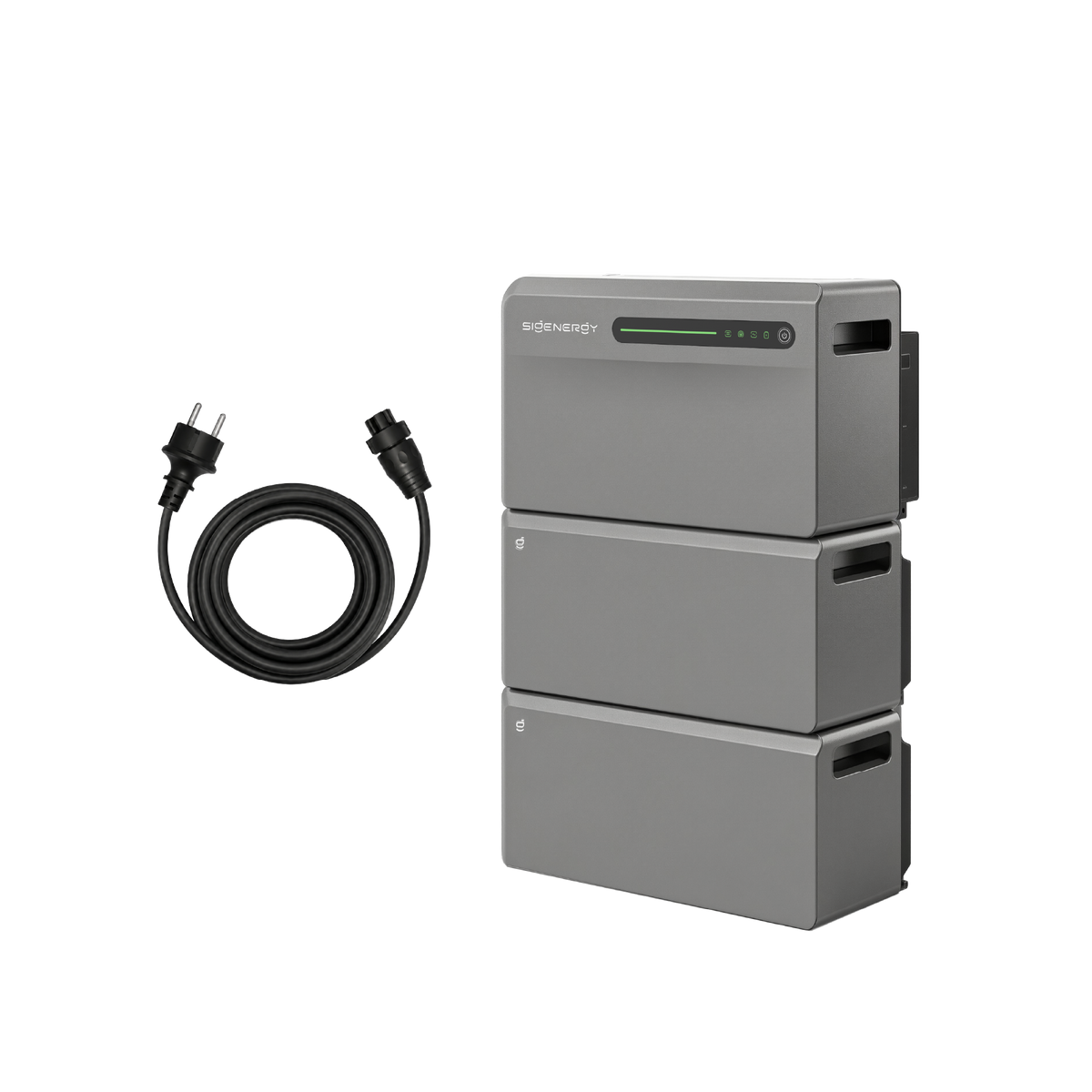
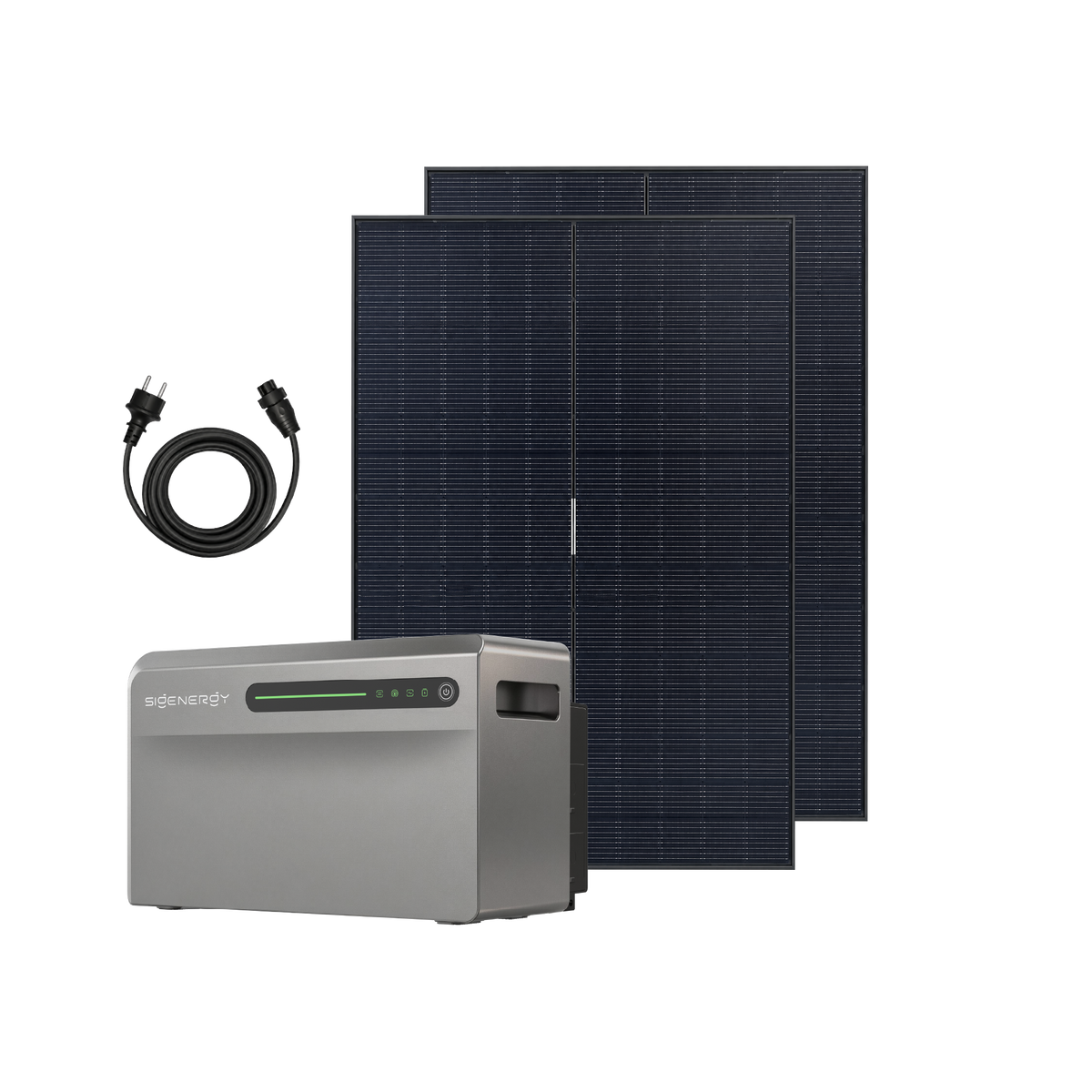
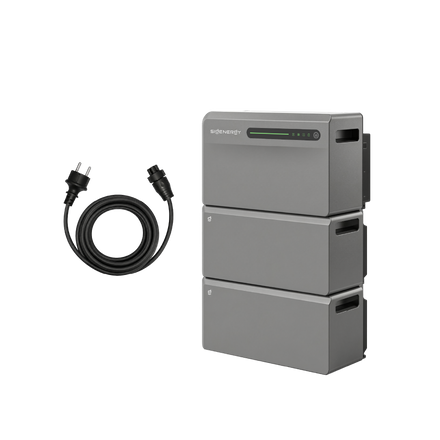
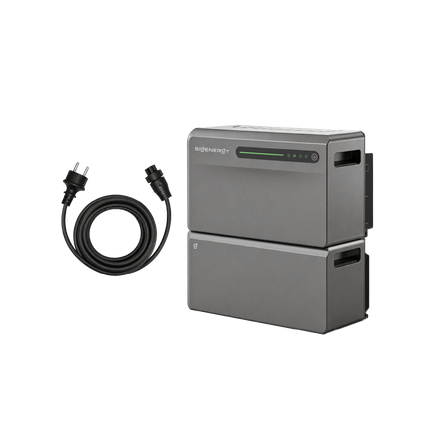
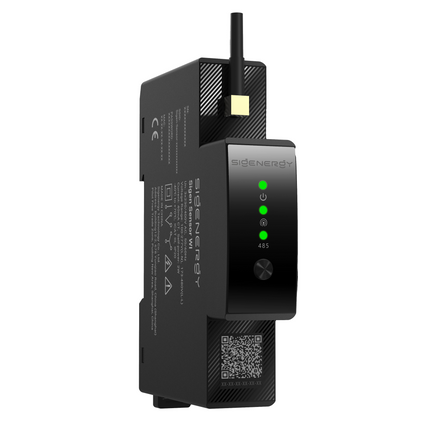
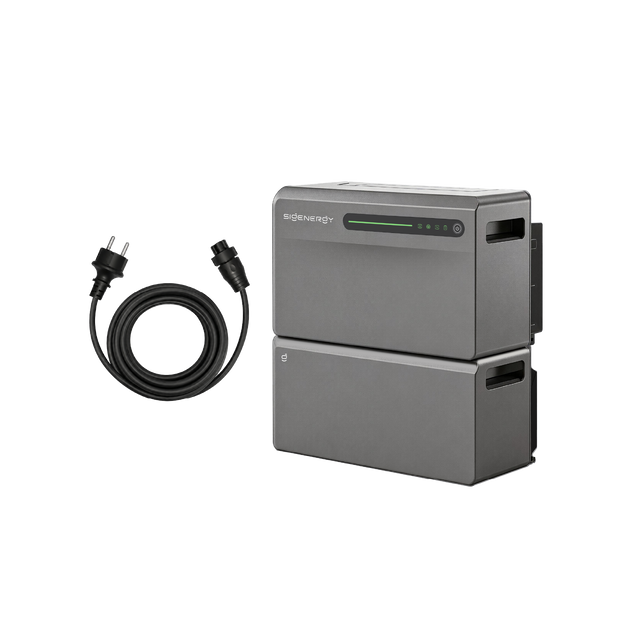
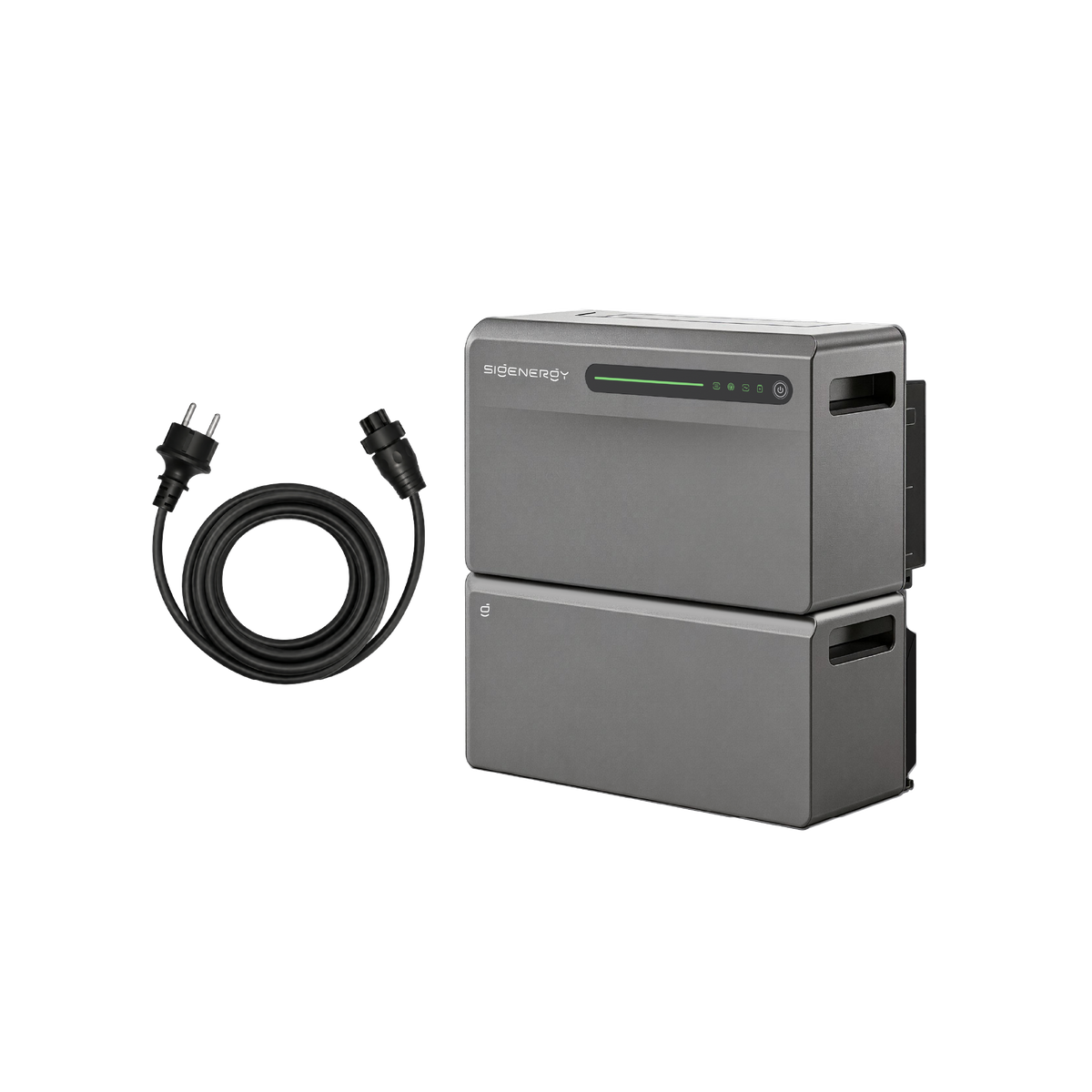
An existing inverter can work with SigenMate through a supported connection. Check the wiring and metering arrangements in the inverter compatibility guide. Usable capacity and charging power still limit the energy shifted.
Frequently asked questions
Does exporting become worthless in 2027?
No. Export compensation and export charges are separate. ACM explains the distinction; the net outcome depends on the contract.
Does this prove that a battery pays for itself?
No. It shows how to compare one energy transfer. An investment estimate needs annual operating data and total ownership costs.
What should I collect first?
Your import and export readings by time interval, your contract tariffs and the proposed battery’s usable capacity and supported power.
Explore SigenMate once you have checked how it fits your installation.



Leave a comment
This site is protected by hCaptcha and the hCaptcha Privacy Policy and Terms of Service apply.