

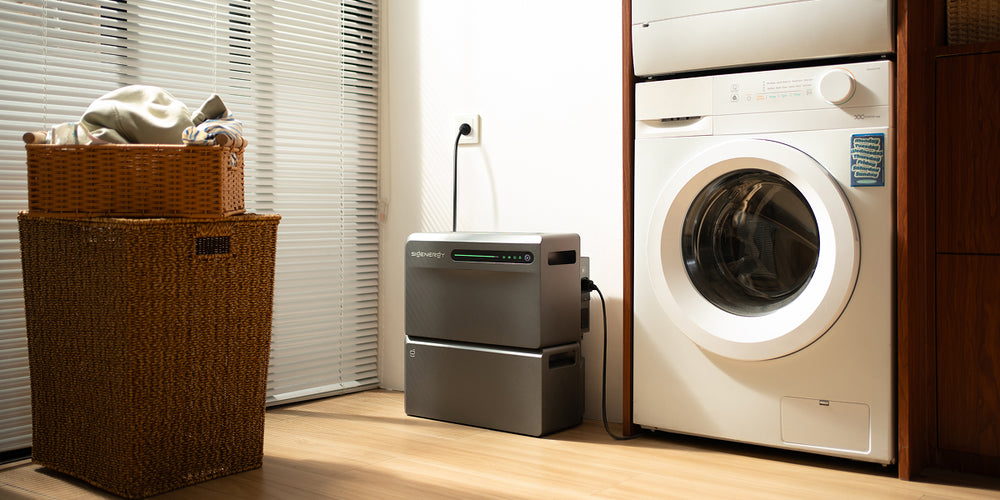
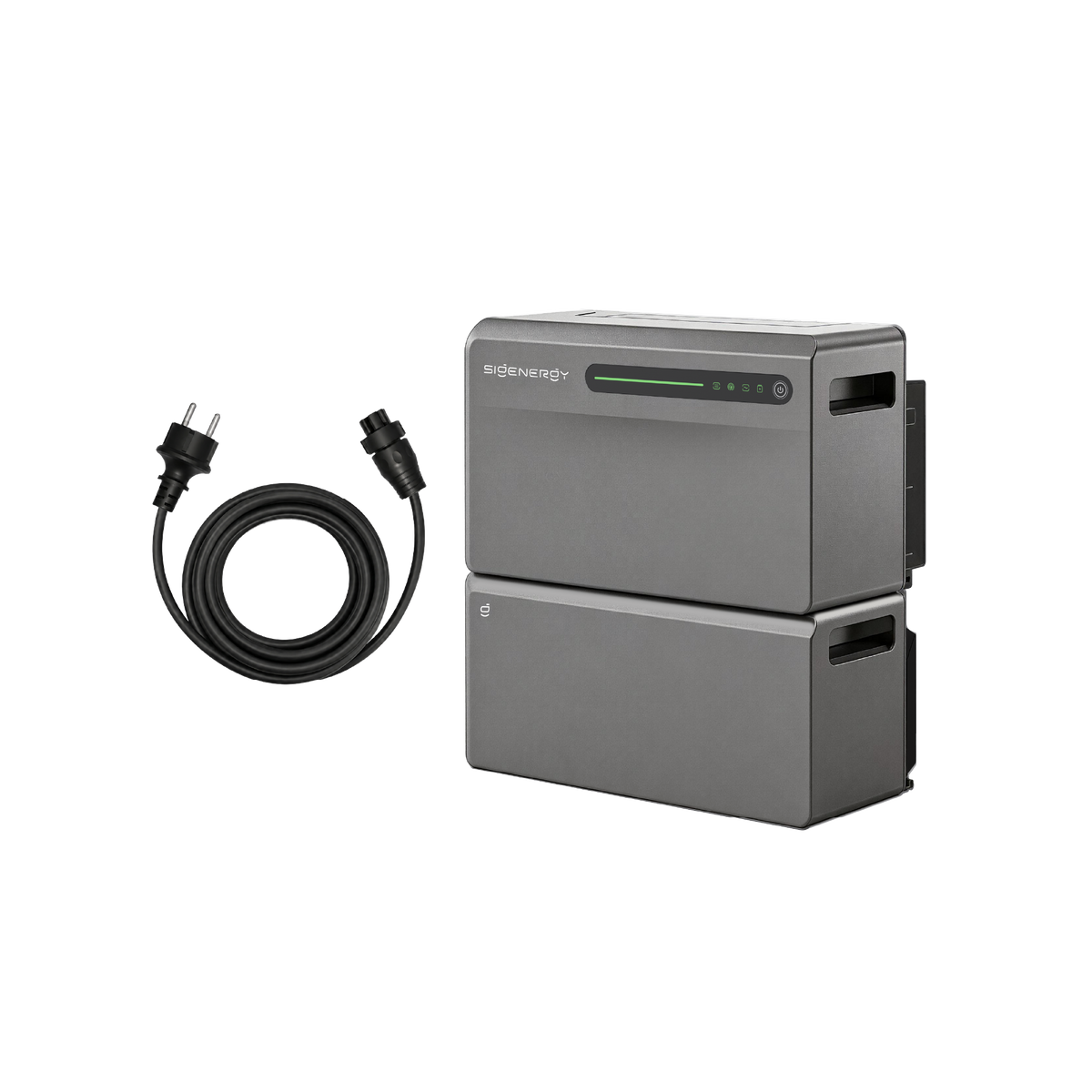

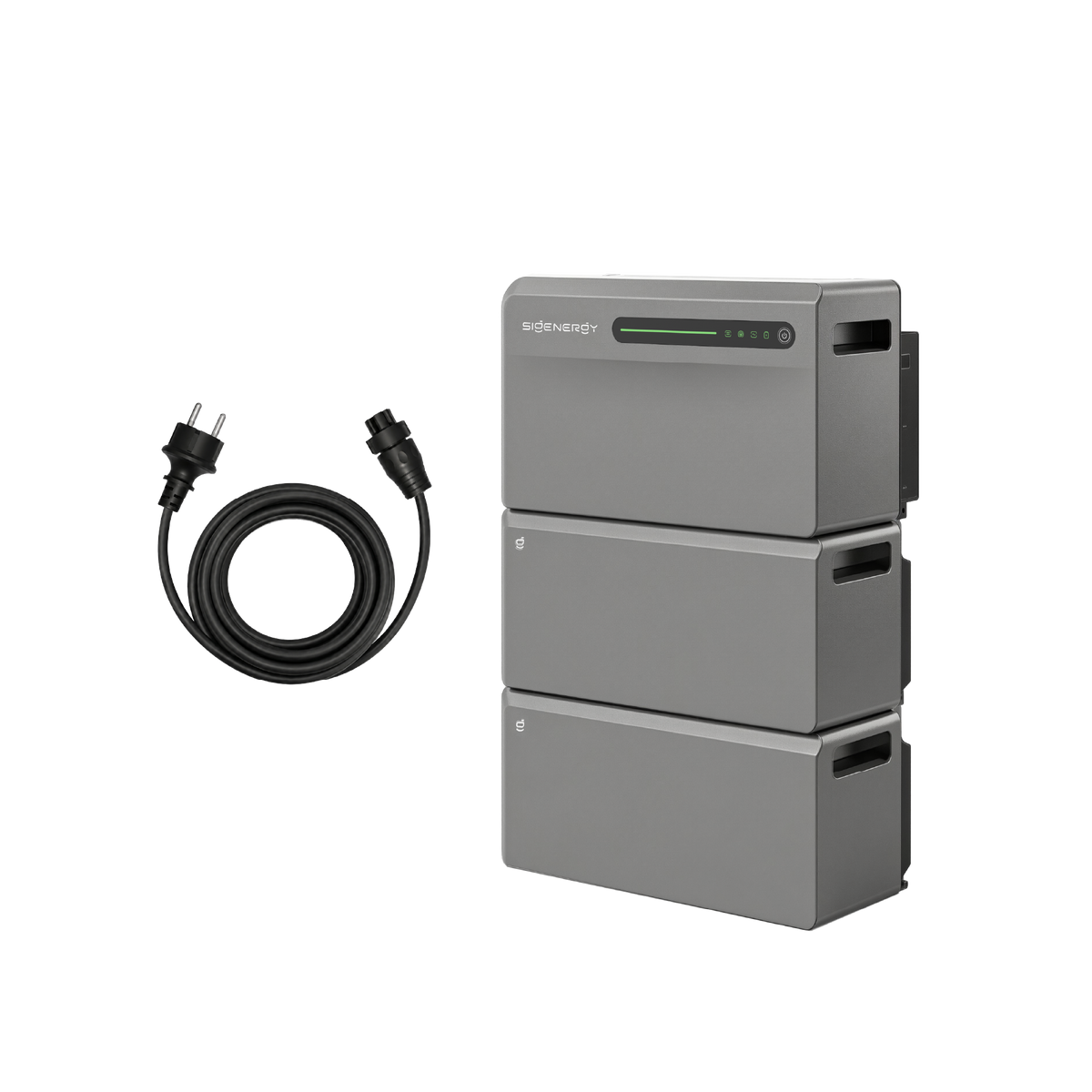




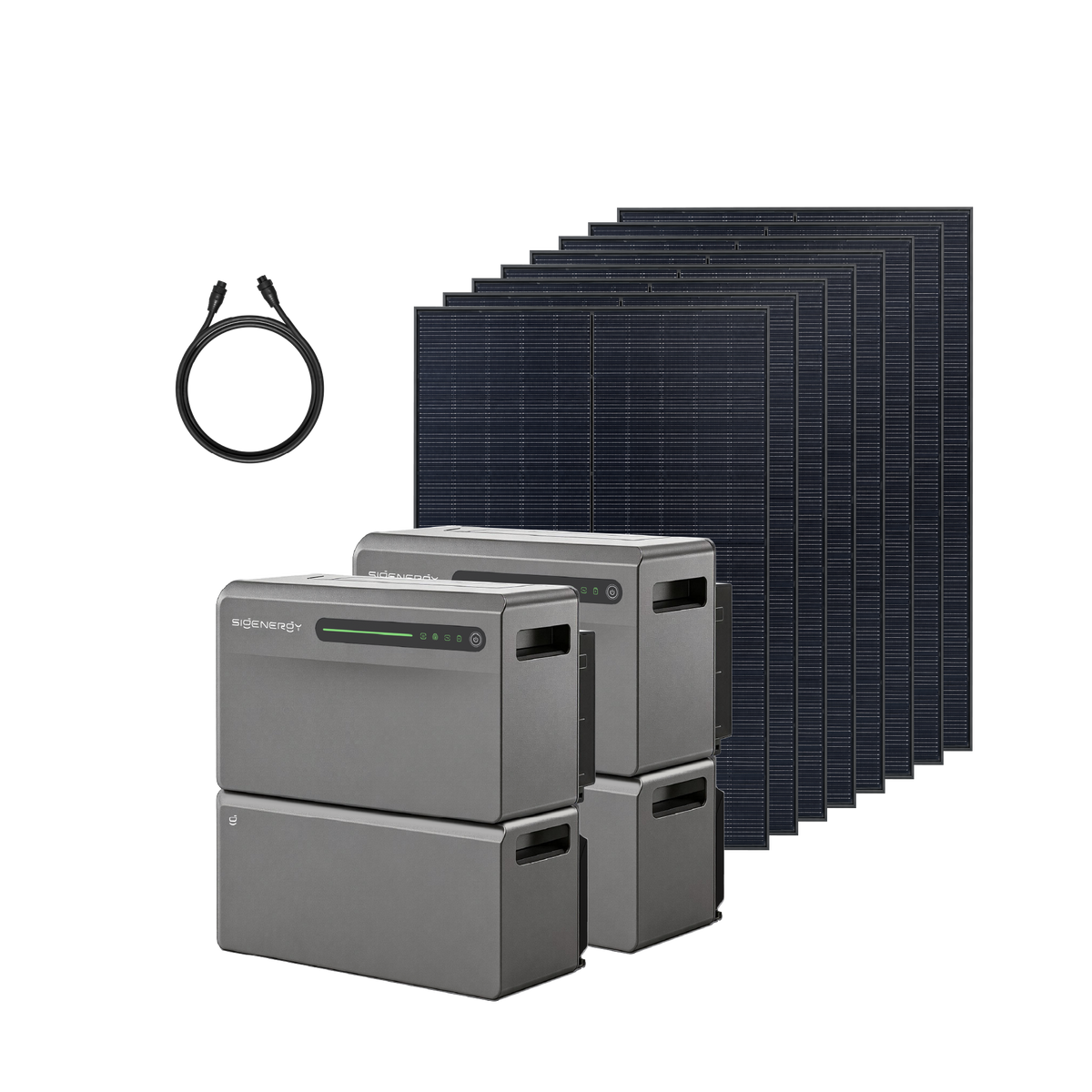




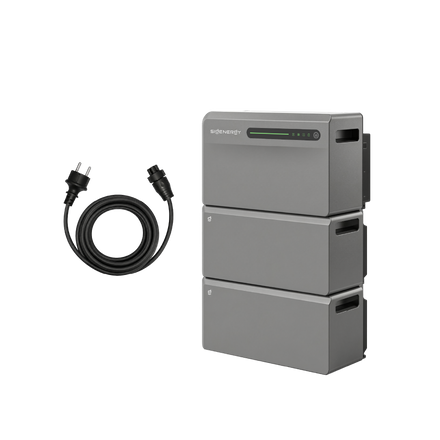
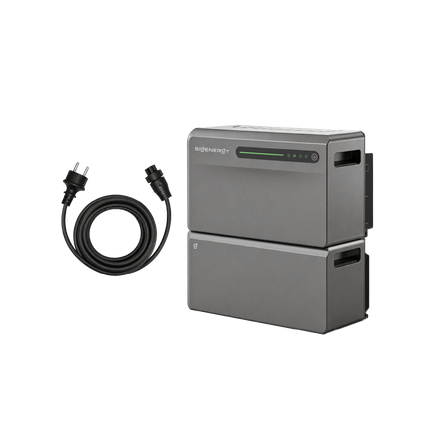
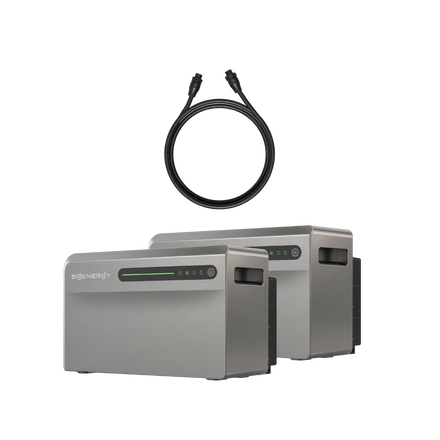
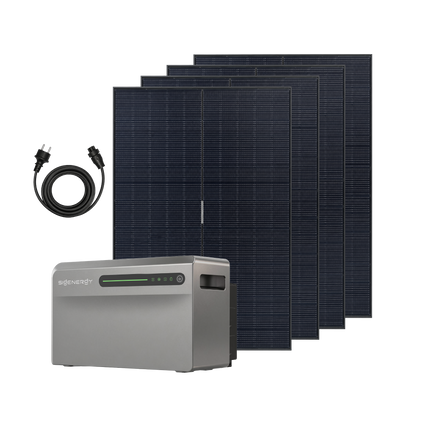

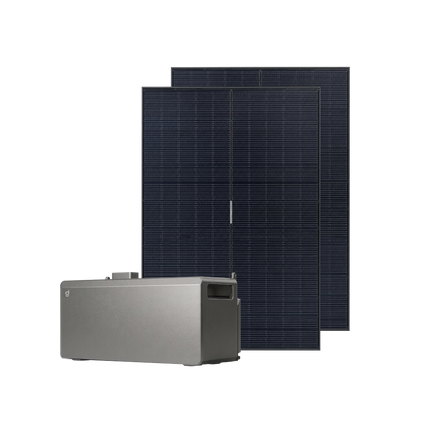
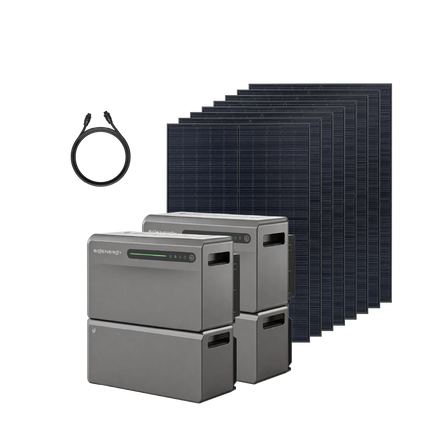
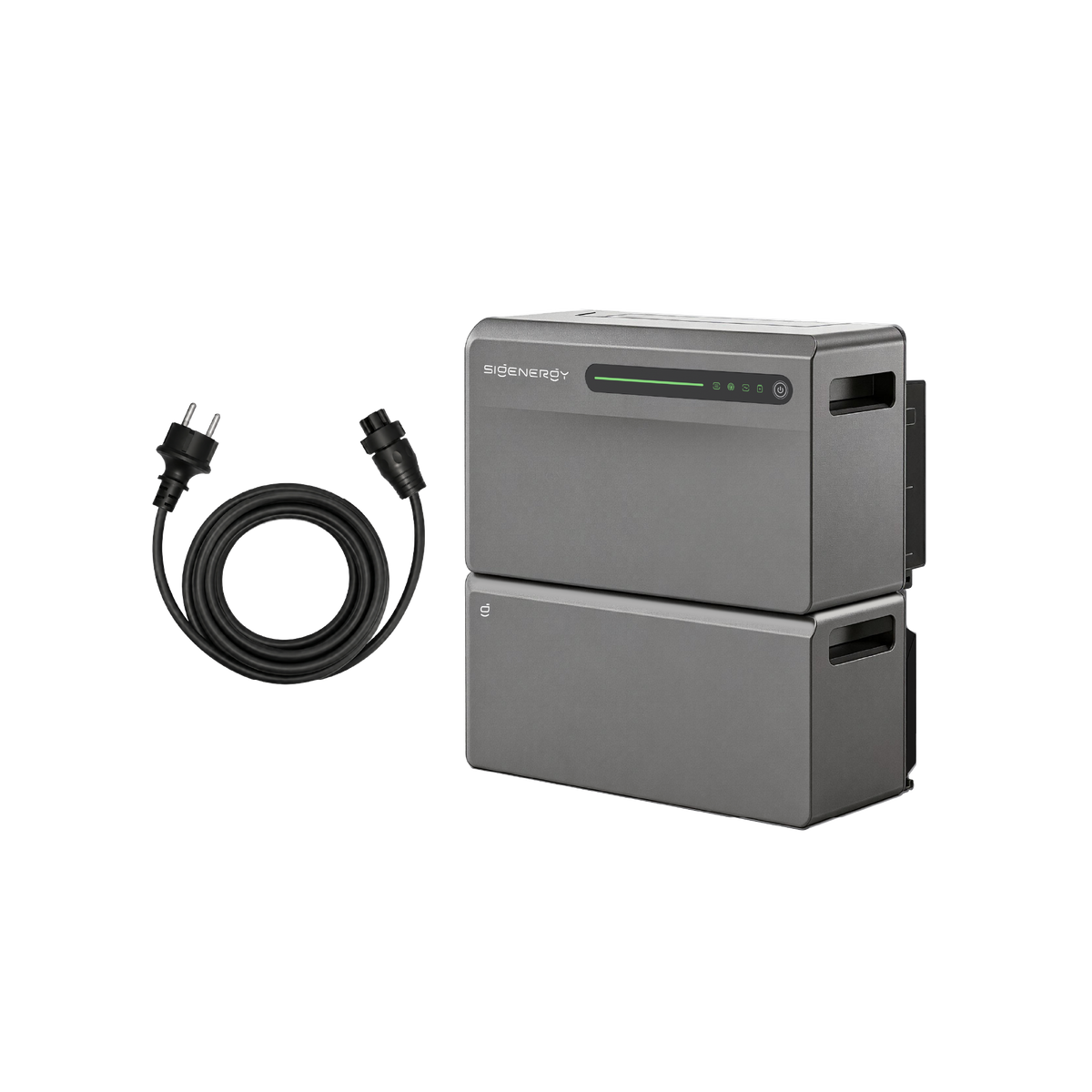
Choosing between a SigenMate main unit with one expansion battery and a main unit with two starts with a simple question: how much additional energy can you regularly charge and use?
More capacity gives you more storage space. Its value depends on whether that space serves your household on enough days.
Start with the energy you can actually store
Not all the solar energy your panels generate is available for battery charging. Some is used directly by your household, while the rest may be available for storage or exported to the grid. Understanding how much surplus energy is actually available is the first step in choosing the right battery capacity.
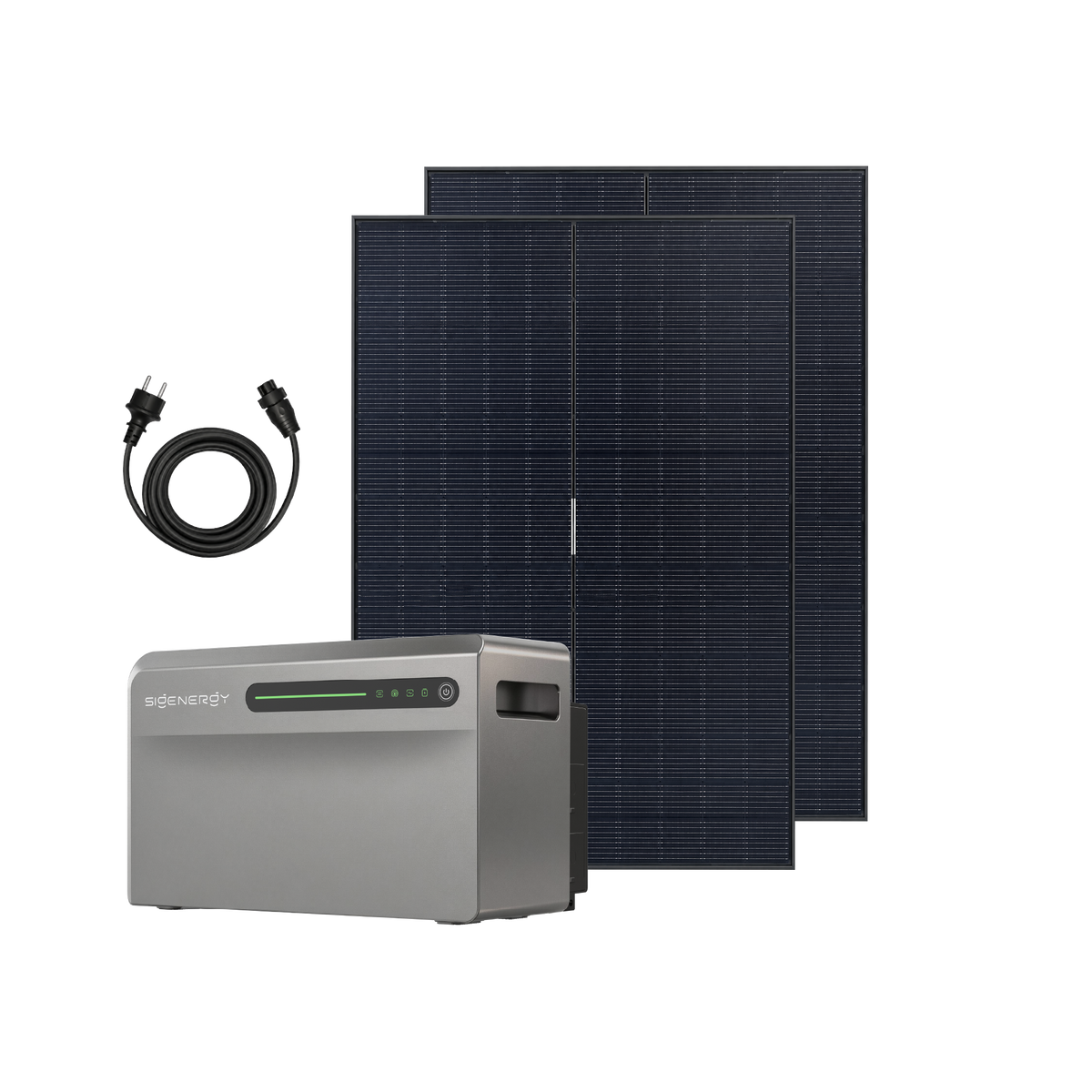
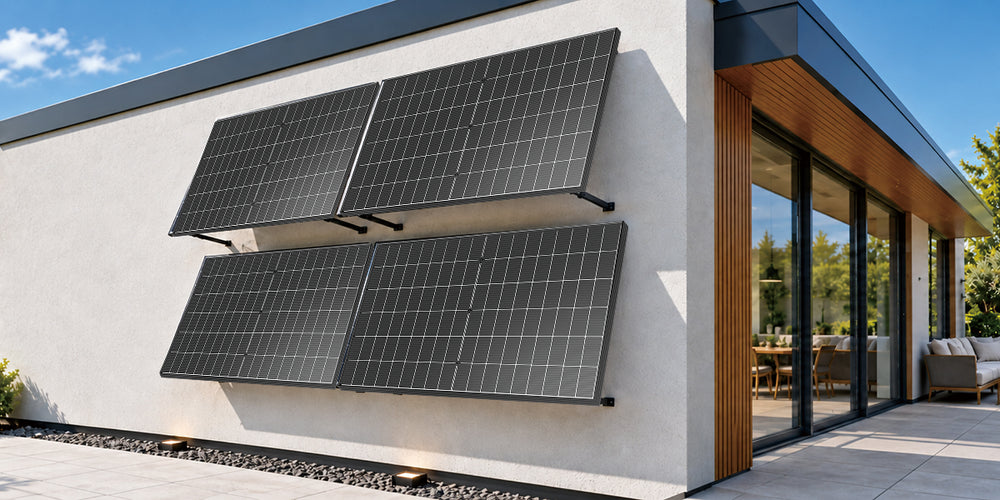
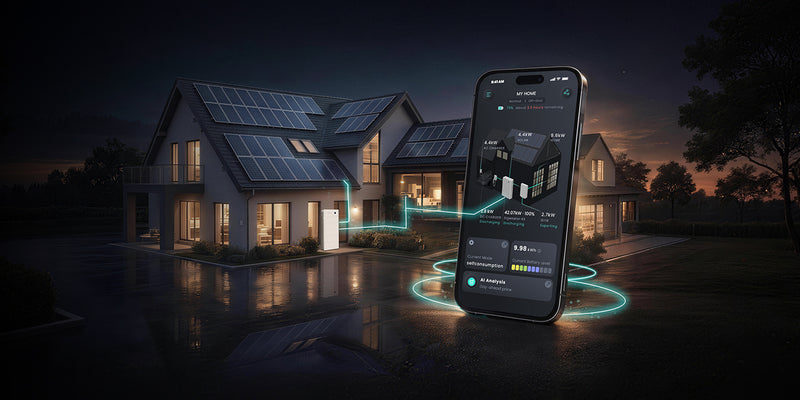
If your solar setup uses a third-party inverter, how it connects to SigenMate also matters. Suitable plug-in microinverters can be connected directly to an AC socket on SigenMate, where the system automatically recognises the additional generation. Other inverters can be connected through your home's electrical network.
Once the connection and metering setup is clear, you can assess two important figures: the surplus remaining after daytime household consumption and your household's demand after solar production falls. Together, these determine how much energy you can realistically store and use later.
Compare the two configurations
| Your pattern | Main unit + 1 battery | Main unit + 2 batteries |
|---|---|---|
| Modest surplus and shorter evening demand | A useful starting configuration to assess | Extra space may be used infrequently |
| Regular surplus beyond the smaller setup’s usable storage, with demand later | May leave a meaningful gap | Worth evaluating |
| Little winter solar surplus | Solar charging remains limited | Extra capacity does not create generation |
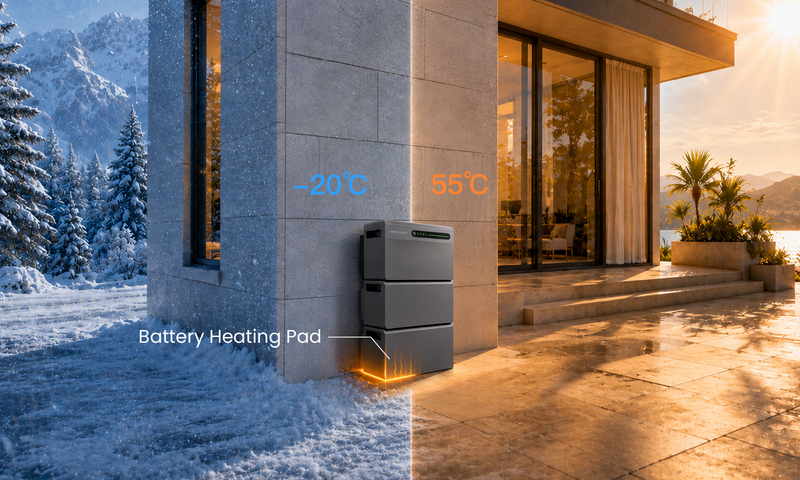
| Interest in backup reserve | Reserve reduces capacity available for daily shifting | More room may help, within the supported backup design |
These are decision prompts, not household-size rules. Two homes with the same number of occupants can have very different schedules and electricity demand.
Which setup fits your situation?
The right choice depends less on household size alone and more on when surplus solar energy is available and when your home needs it. These three situations can help you decide whether one or two expansion batteries are worth considering.
1. You have some regular surplus, but moderate evening demand
If your solar setup leaves a modest amount of surplus after daytime household use, and your electricity demand after sunset is relatively limited, a main unit with one expansion battery may be a practical starting point. It provides additional storage without adding capacity that may remain unused on many days.
2. Your smaller setup often fills while surplus solar energy remains
If the smaller configuration regularly reaches its usable capacity while your panels are still generating surplus energy, and your household later buys electricity from the grid, a second expansion battery may be worth considering. The additional capacity has a clear purpose: storing more of the surplus that could otherwise be exported and making it available for later household use.
3. Your solar surplus changes significantly by season, or you want more reserve
In periods with lower solar production, additional battery capacity cannot create more energy. However, if you want to keep part of the battery capacity as backup reserve, or expect your household's electricity demand to increase, a larger configuration may offer more flexibility. The key is whether that extra capacity will be useful often enough to justify the additional cost.
These examples are intended as decision aids, not fixed recommendations. Your own consumption pattern remains the best guide: how much surplus remains after daytime use, how much electricity you need after solar production falls, and whether the larger configuration delivers meaningfully more usable energy than the smaller one.
Separate capacity from power
Capacity, measured in kWh, concerns how much energy can be held. Power, measured in kW, concerns how quickly it can enter or leave the system.
A short, high-production period can expose a charging-power limit even when the battery has empty space. Conversely, sufficient charging power does not justify extra capacity if there is little surplus or little demand later.
Compare the ratings for your actual charging route. A direct solar-input specification should not be used as the expected charging rate of a microinverter connection. Adding an expansion battery also does not automatically increase every output or connection limit.
Calculate the value of the extra battery
Focus on the difference between the two bundles:
Extra annual value ≈ additional useful energy delivered × avoided purchase price − extra forgone export income + export charges actually avoided − additional operating costs.
Use interval data where possible. Count only the energy that the larger configuration can shift beyond the smaller one, not all energy handled by the full system.
For illustration, if both configurations cover your regular accessible surplus and evening demand, the second expansion battery may offer limited additional solar-shifting value. If the smaller configuration regularly fills while surplus continues and you later buy electricity, additional capacity deserves a closer look.
Frequently asked questions
Is the larger bundle always better for 2027?
No. Policy changes do not remove the need to match storage to actual use.
Can I choose by annual electricity consumption alone?
No. Timing, supported input, usable capacity and power also matter.
What should I ask before ordering?
Ask for the usable capacity, charging and discharge limits, supported accessories and total price of the exact configuration.
Compare the SigenMate product options with your own consumption profile.





Leave a comment
This site is protected by hCaptcha and the hCaptcha Privacy Policy and Terms of Service apply.