












If your panels generate most strongly while you are away and your home uses more electricity after you return, the challenge is timing. A useful energy routine starts by identifying that mismatch.
The aim is to use more of the electricity you generate for things you already need to do. You do not need to create extra consumption just to avoid exporting.
Step 1: Find the hours that matter
Review your generation, grid imports and exports over several representative days. Compare a working day with a weekend, and revisit the exercise in another season.
Generation alone is not enough. A productive roof can still have little surplus if the household already uses most of that electricity. Conversely, a modest installation can export regularly while the home is empty.
Write down three things: when exports occur, how long they last and when you later import electricity.
Step 2: Move suitable demand first
Where practical, move existing flexible tasks into solar hours. A dishwasher cycle that you were going to run that evening might fit earlier in the day. An electric vehicle that is home during daylight may offer another opportunity, depending on its charging controls.
Keep comfort, appliance instructions and your normal routine in mind. The objective is a useful shift, not running equipment unnecessarily.
Step 3: Store what still has a later use
A battery can address the remaining gap if it can receive the available solar surplus through a supported connection and discharge when you need it.
For example, imagine 3 kWh remains after daytime use, followed by 5 kWh of evening demand. Storage can only shift part of the evening requirement, with less energy delivered than charged because of losses. A much larger battery does not create extra sunlight or increase the available surplus.
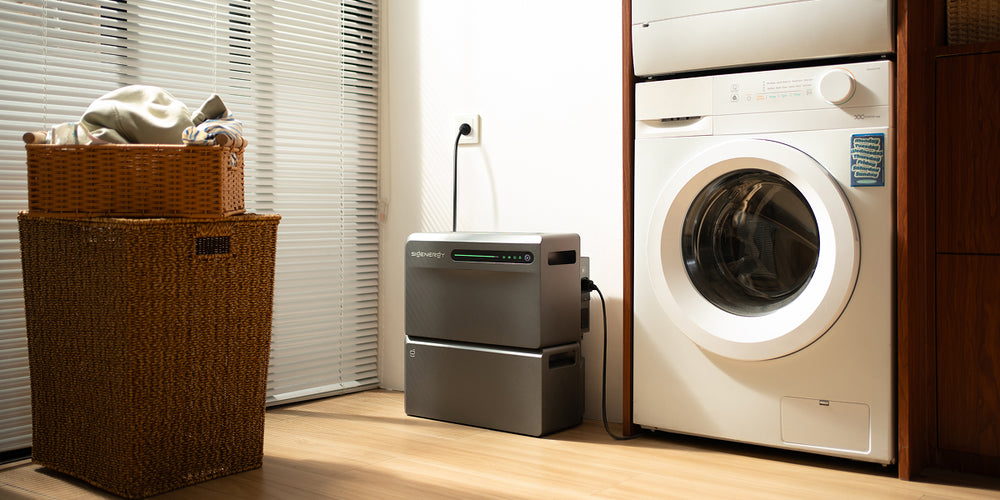
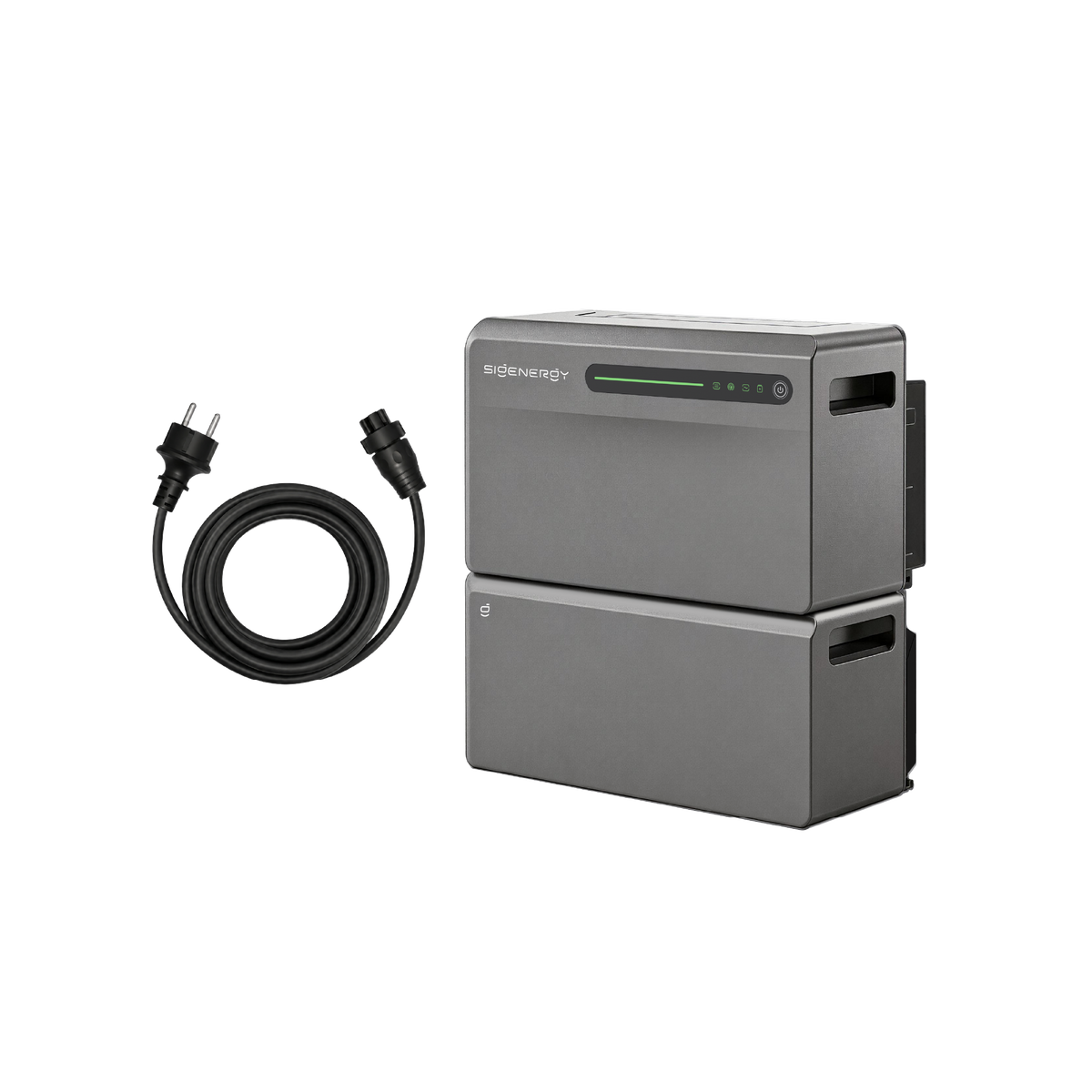
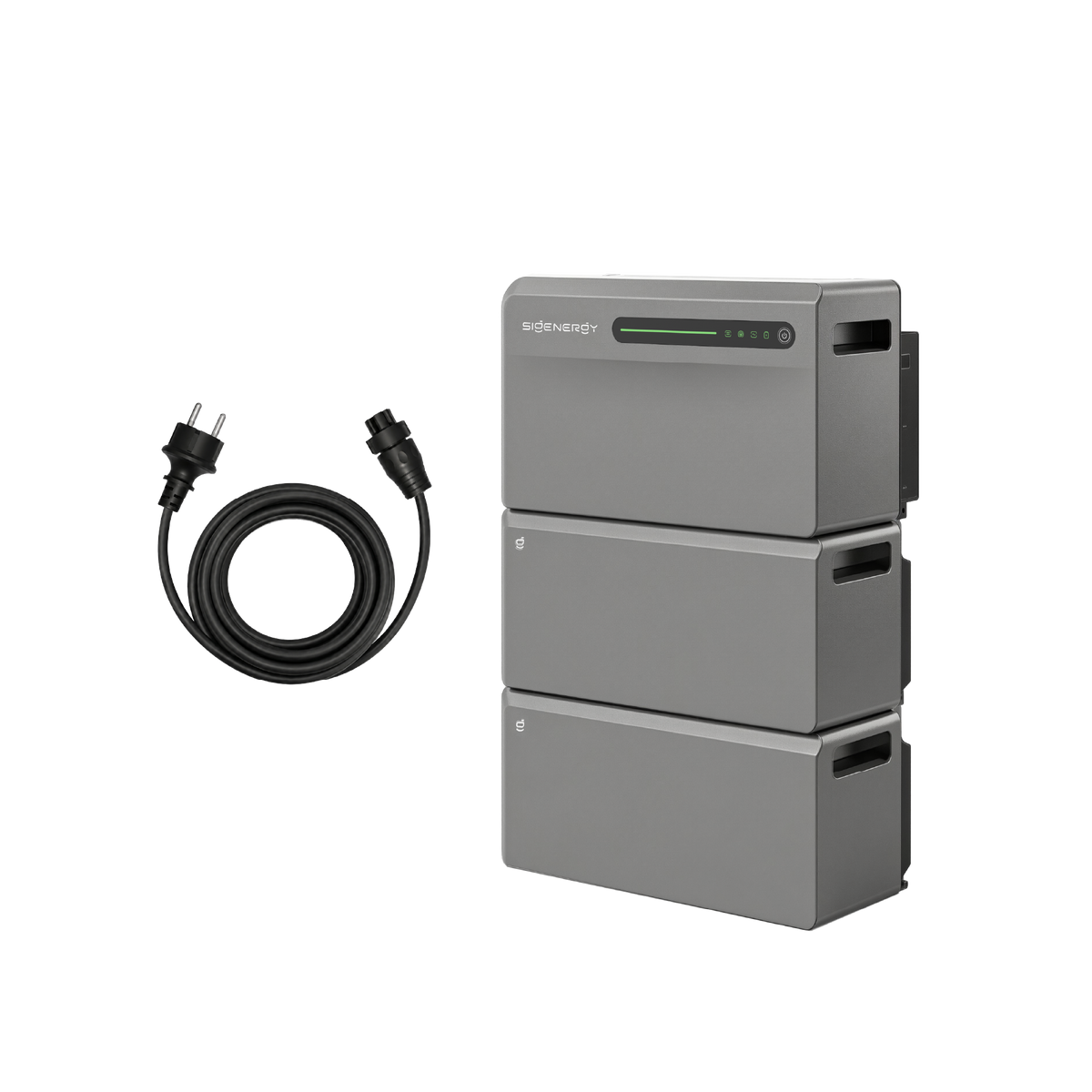
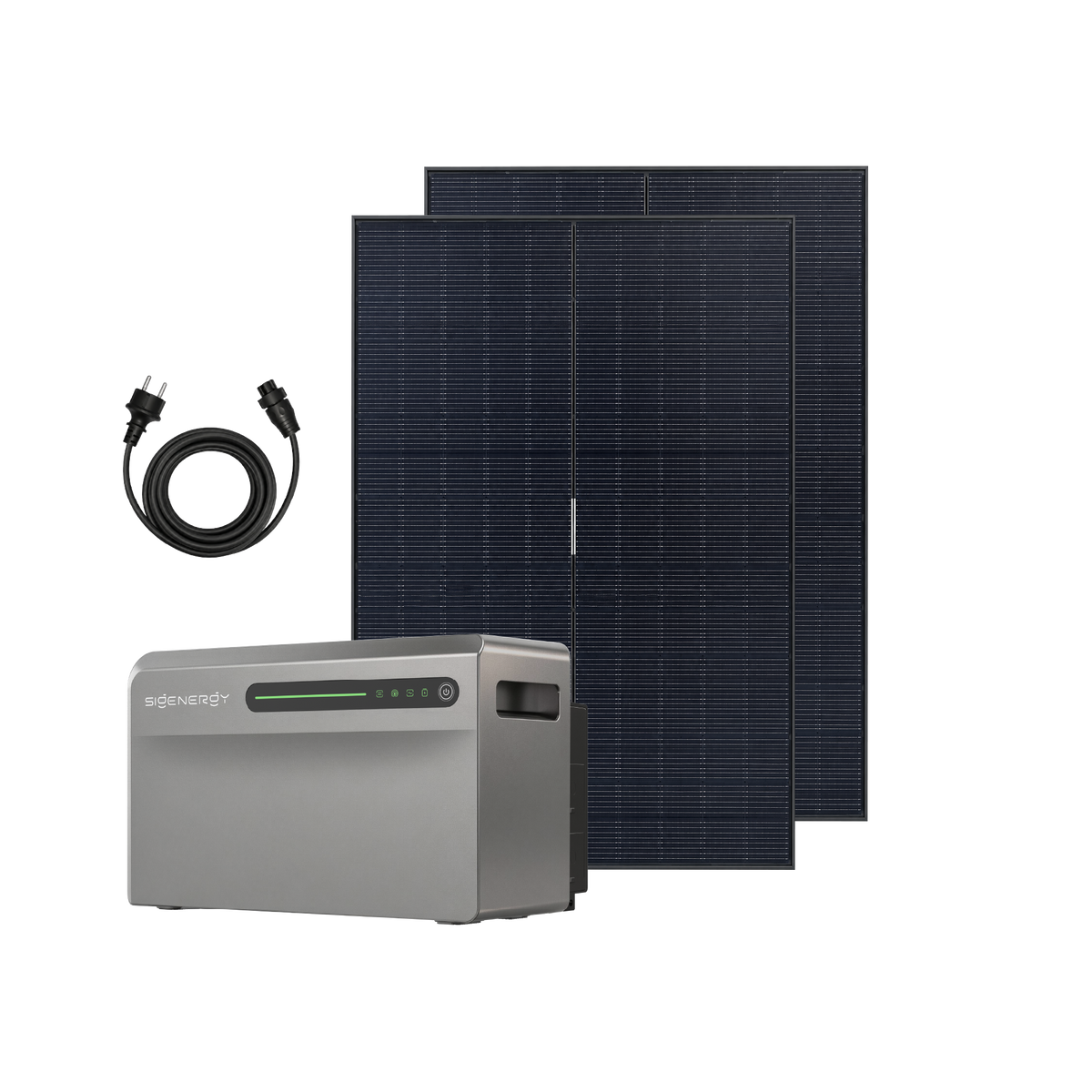
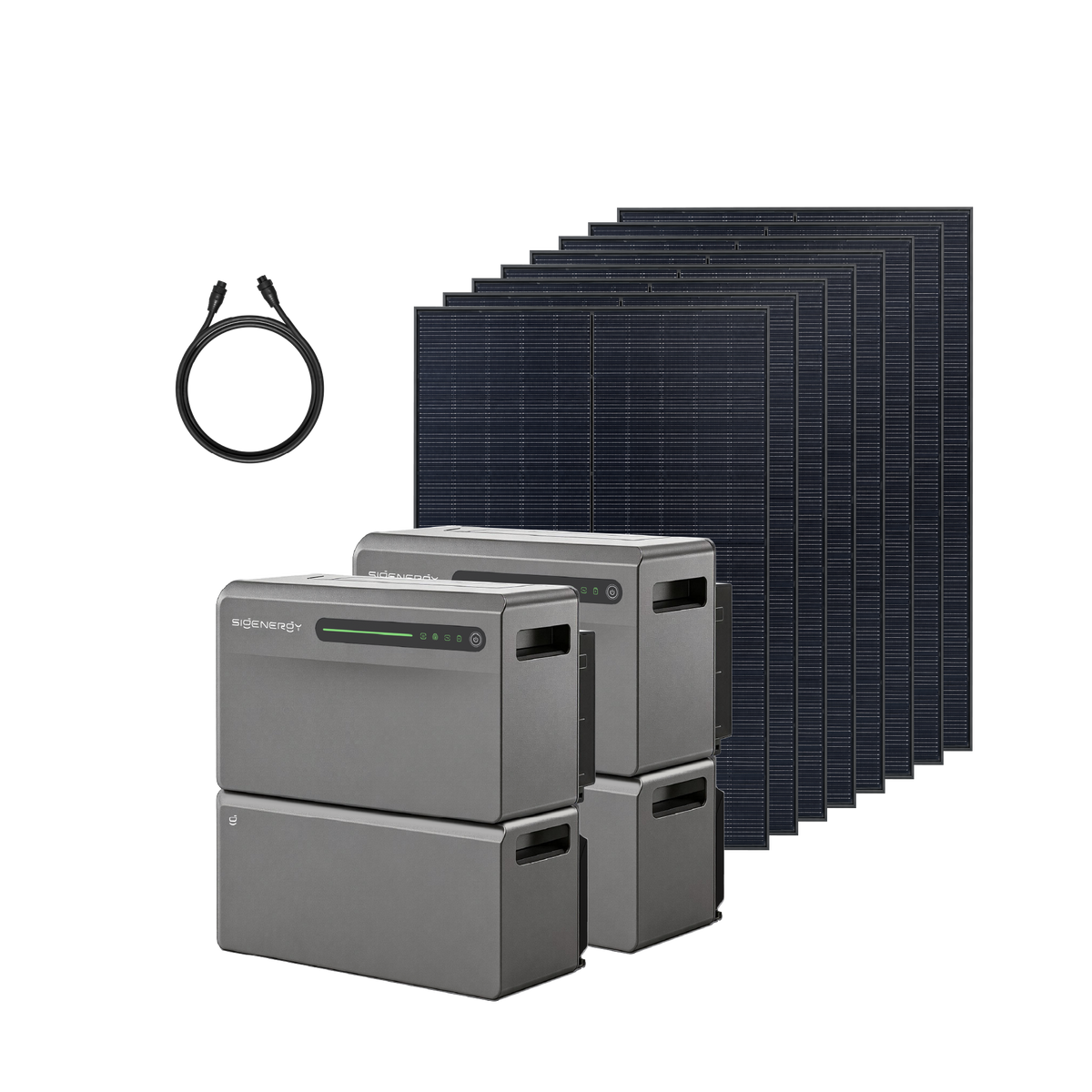
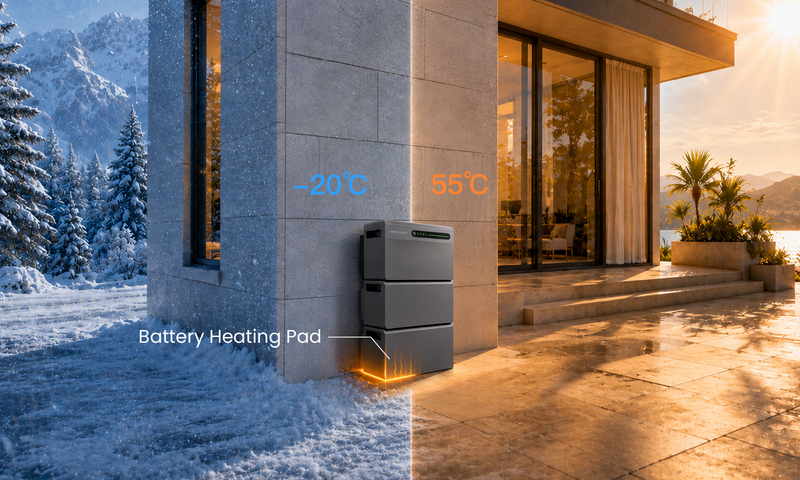
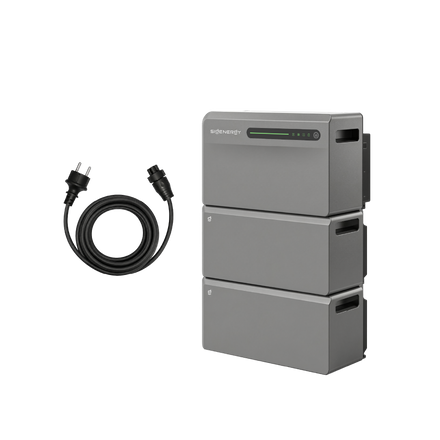
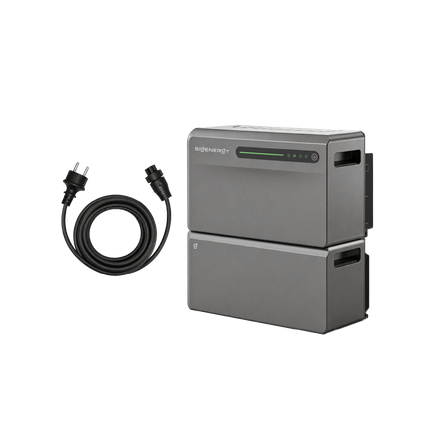
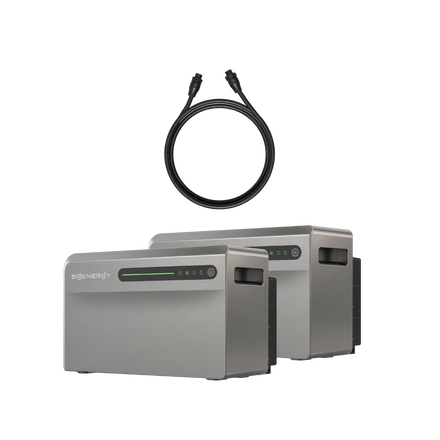
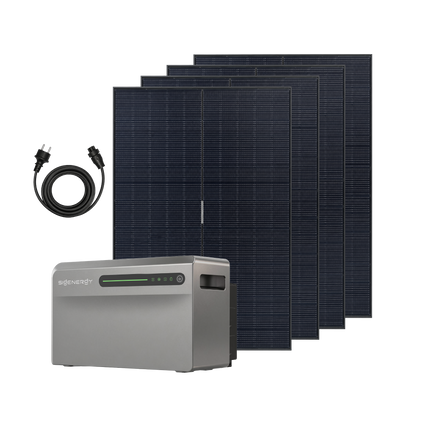
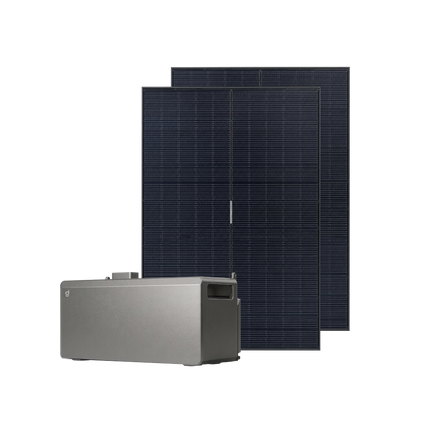
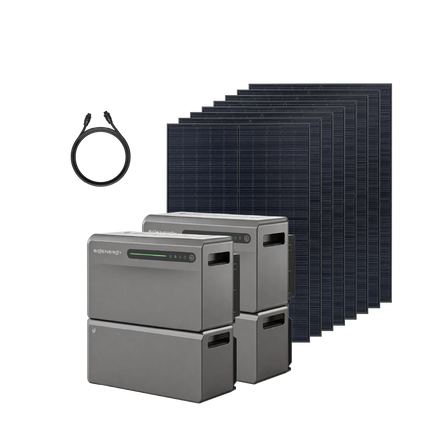
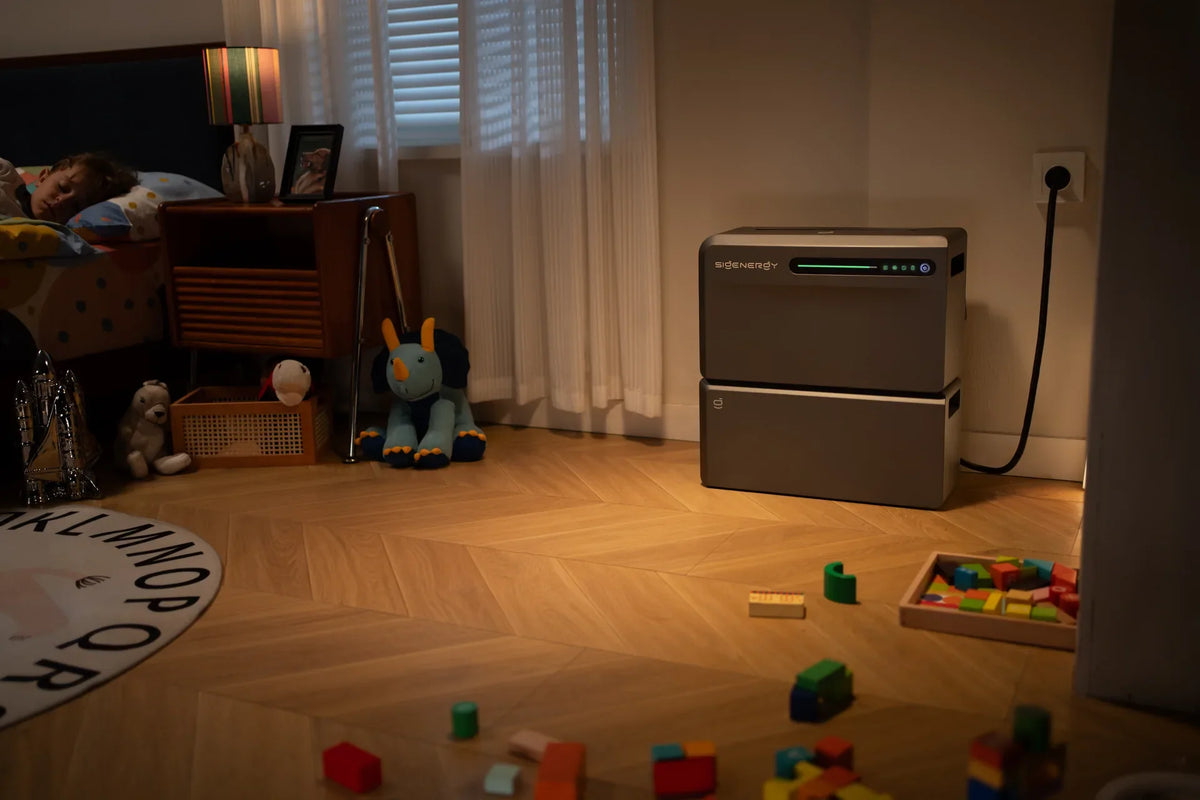
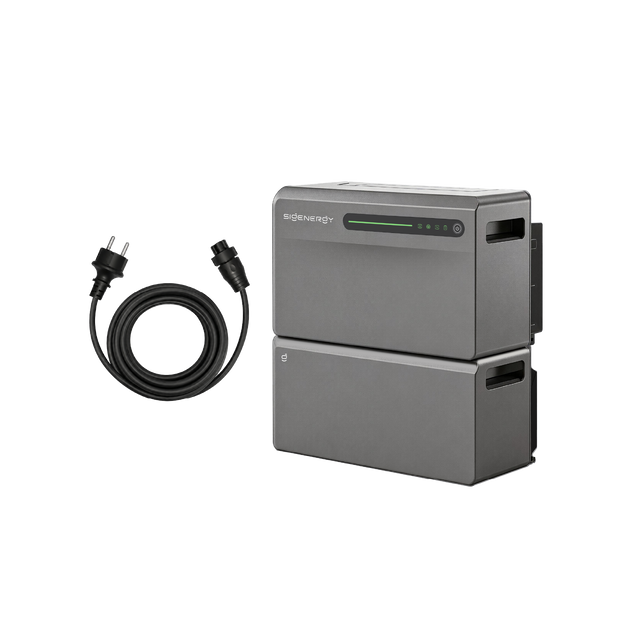
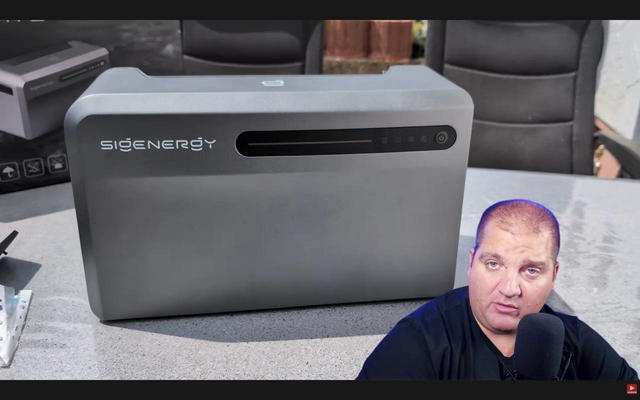
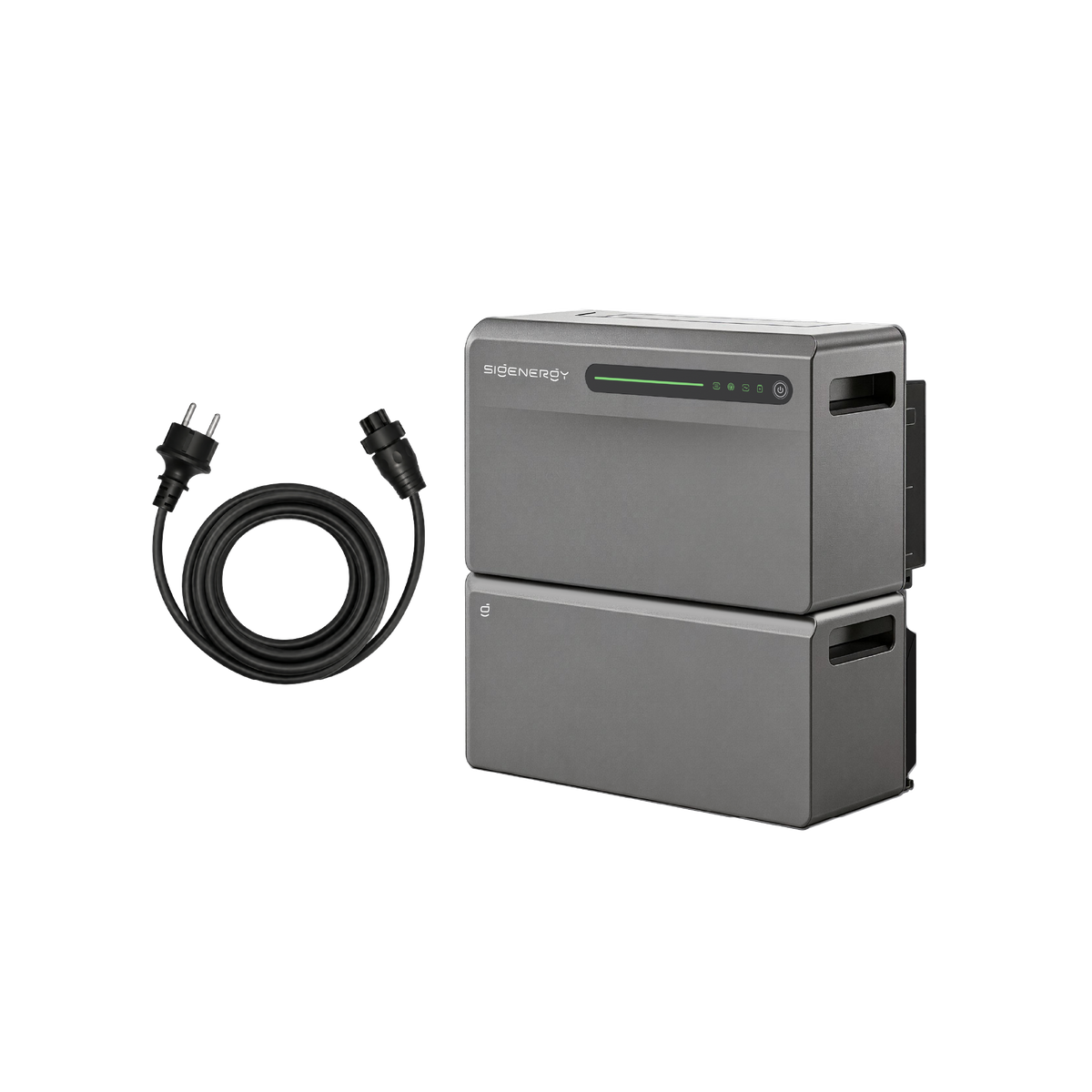
If you regularly have surplus solar energy during the day, adding a battery can help you use more of it in the evening. The SigenMate 2700 Ultra is compatible with all third-party solar inverters, making it easy to add storage to your existing solar setup. The main unit has 2.688 kWh of nominal capacity. See the inverter compatibility guide for supported connection options.
Step 4: Judge the result by useful energy
After setup, compare:
- Electricity exported during solar hours.
- Electricity imported during later household demand.
- Energy charged and discharged by the battery.
- The bill impact under your actual tariff.
Keep weather and changing household activity in mind. One unusually sunny week is not enough to demonstrate a year-round saving.
Frequently asked questions
Should I size a battery for the sunniest day?
Use a range of days and seasons, not only a maximum.
Can a battery move summer surplus into winter?
Ordinary daily household storage should not be planned as seasonal storage.
What is the first step today?
Review your readings and identify one useful load you can move before choosing additional equipment.
Explore SigenMate when you know which daily gap you want storage to address.



Leave a comment
This site is protected by hCaptcha and the hCaptcha Privacy Policy and Terms of Service apply.