



Quick answer: A battery can still be useful in a Dutch winter, but there is usually less solar surplus to store. Its value depends on household demand, your electricity contract, supported charging controls and your backup reserve.
Winter changes the role of a battery
Dutch solar panels produce less during dark winter months than long summer days. A battery that shifts midday solar surplus to the evening may cycle less frequently. That does not make it useless: its role changes.
Summer: surplus management
In spring and summer, daytime solar production may exceed demand. A battery can absorb part of the surplus and discharge it later, reducing exports and evening imports.
Winter: limited solar surplus
Short days and lower irradiance reduce production. A home with plenty of summer surplus may have little in December or January. Base expectations on seasonal production and your own consumption.
Typical monthly solar production in the Netherlands
The example from ZonnepaneelRendement.nl illustrates seasonal differences for a Dutch roof near Utrecht using information attributed to Milieu Centraal and PVGIS. Actual output depends on orientation, shading, location and weather.
Dynamic tariffs can add another use case
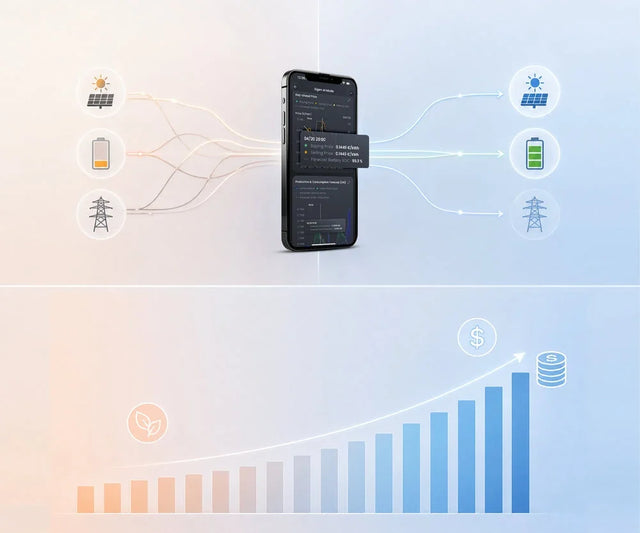
With a compatible contract and system, charging from the grid in lower-price periods can shift consumption to more expensive hours. Savings depend on full retail price differences, conversion losses, fees and usage.
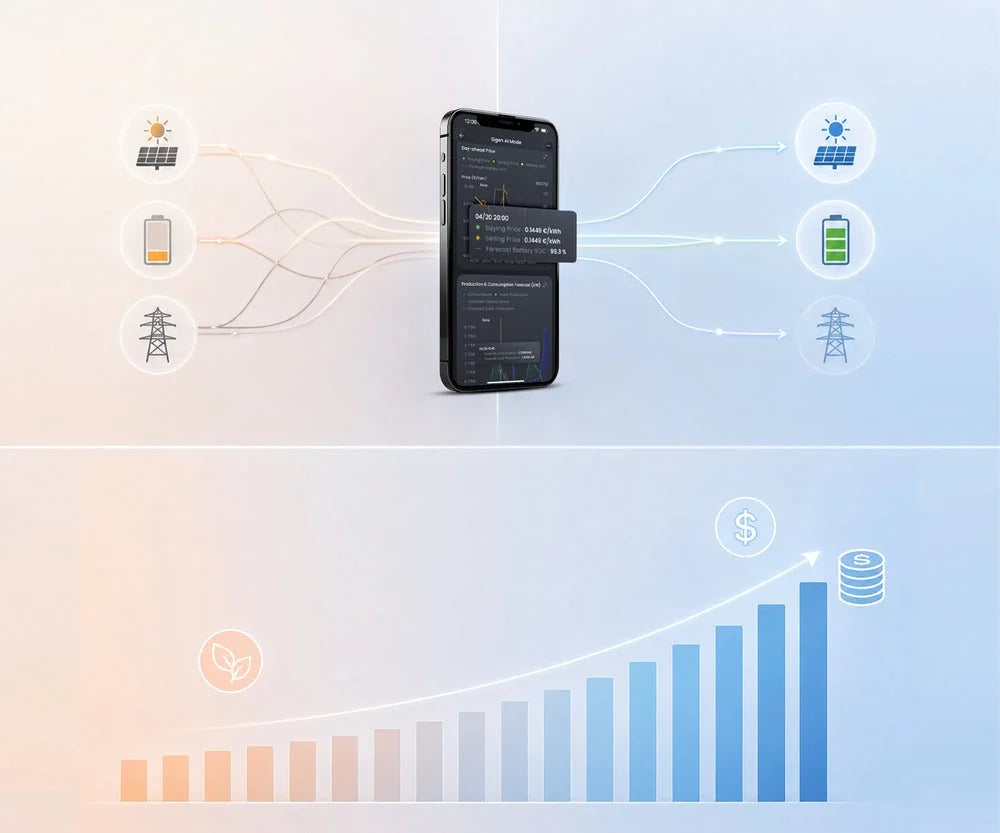
The SigenMate 2700 Ultra supports Sigen AI Mode using consumption and solar forecasts, weather and prices to optimise charging and discharging. Time-based Control lets you manually set periods.
Backup reserve is another consideration
Some households retain energy for outages instead of using all available energy for daily price optimisation. Resilience and cost savings are different objectives.
Cold weather and battery location
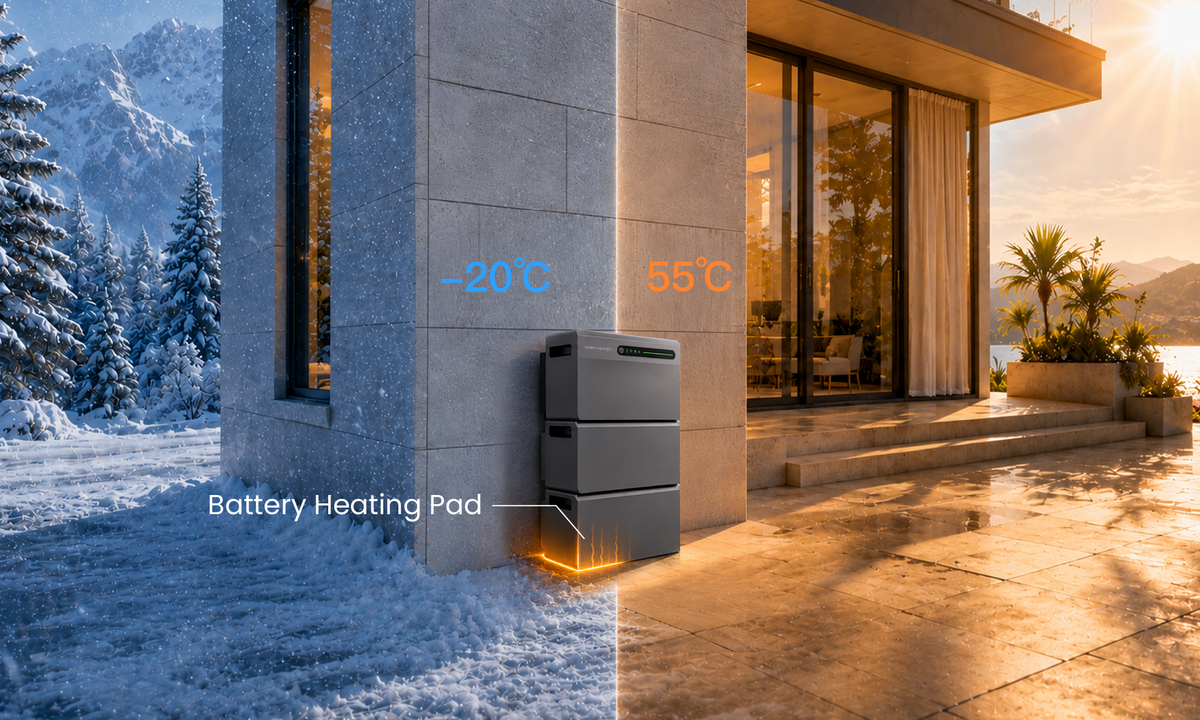
Performance and charging limits depend on temperature. Follow the manufacturer's operating range and installation requirements.
SigenMate 2700 Ultra has an operating range of -20°C to 55°C. Built-in heating helps operation in cold weather. Its IP66 rating supports suitable installations that meet the manufacturer's requirements.
A sheltered, well-ventilated location is recommended. Avoid standing water, accumulated snow and unsuitable environments. Follow the installation instructions and user manual.
How to use your battery more effectively in winter
- Prioritise direct solar self-consumption.
- Avoid sizing expectations only around summer surplus.
- Use forecast-based controls where supported.
- Compare full electricity prices, including losses and fees.
- Keep a backup reserve if resilience is a priority.
- Review settings as seasons change.
The key idea
A battery does not have only one job. In summer it can absorb solar surplus; in winter its role may shift towards price management or backup reserve, depending on your contract and system.
Further reading
- Solar export fees: how can you export less?
- How much home battery capacity do you need?
- Solar self-consumption and home storage guide


Leave a comment
This site is protected by hCaptcha and the hCaptcha Privacy Policy and Terms of Service apply.