



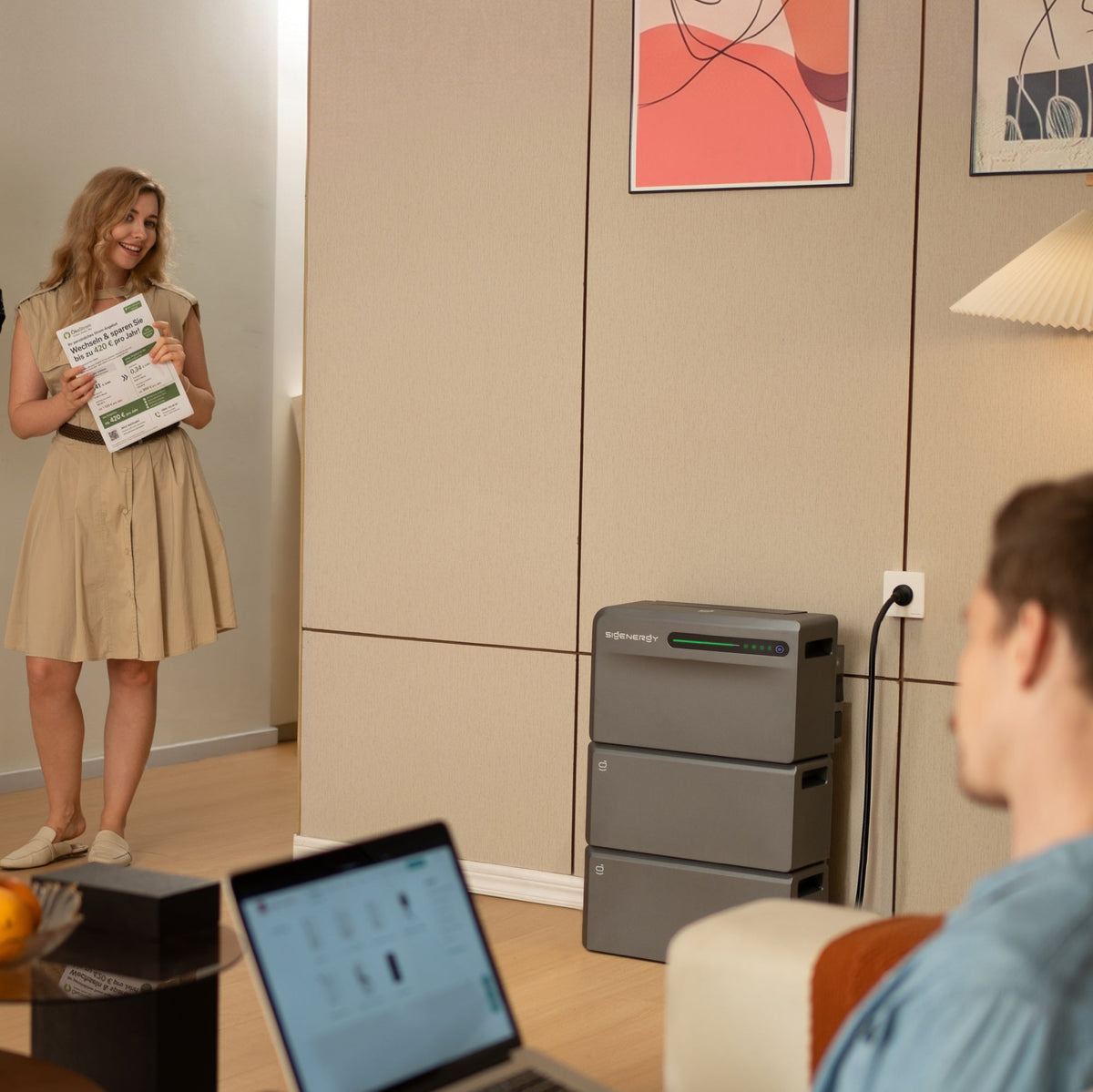
Quick answer: Compare a plug-in-oriented battery and a fixed home battery on installation requirements, solar integration, usable capacity, power output, backup and smart control. The connection method alone does not tell you which system fits your home.
Two different ways to add storage at home
The home-battery market includes compact systems designed for simpler installation and larger permanently installed systems. The right comparison is whether the product architecture matches your household's energy needs and the applicable installation rules.
1. Installation model
A plug-in-oriented system aims to reduce installation complexity. A fixed battery may require a dedicated electrical installation, inverter configuration and professional commissioning. Exact requirements depend on product power, connection method and local standards.
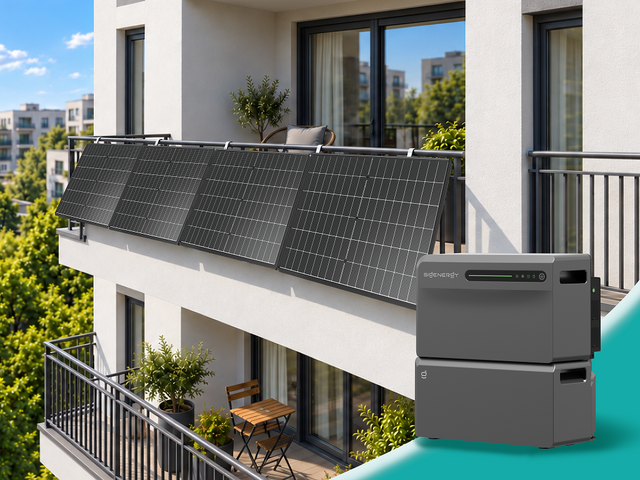
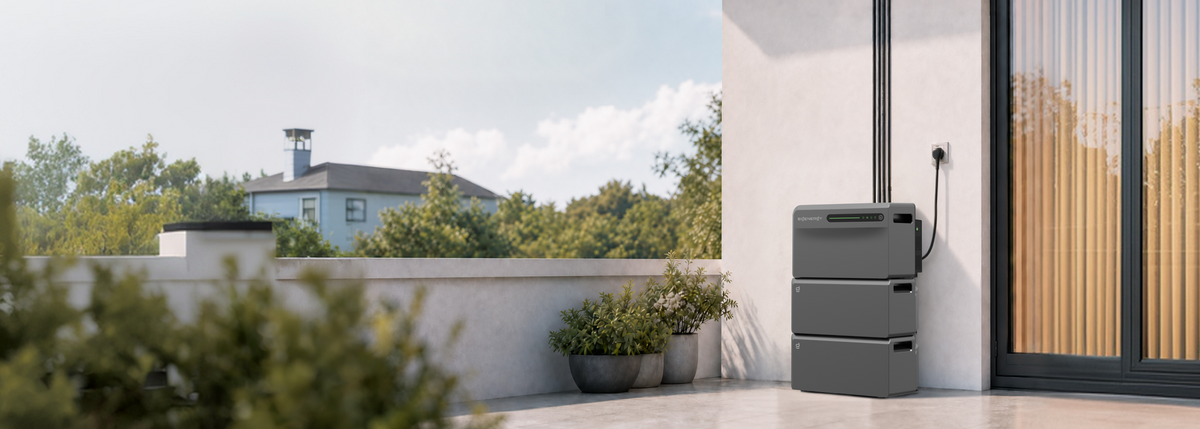
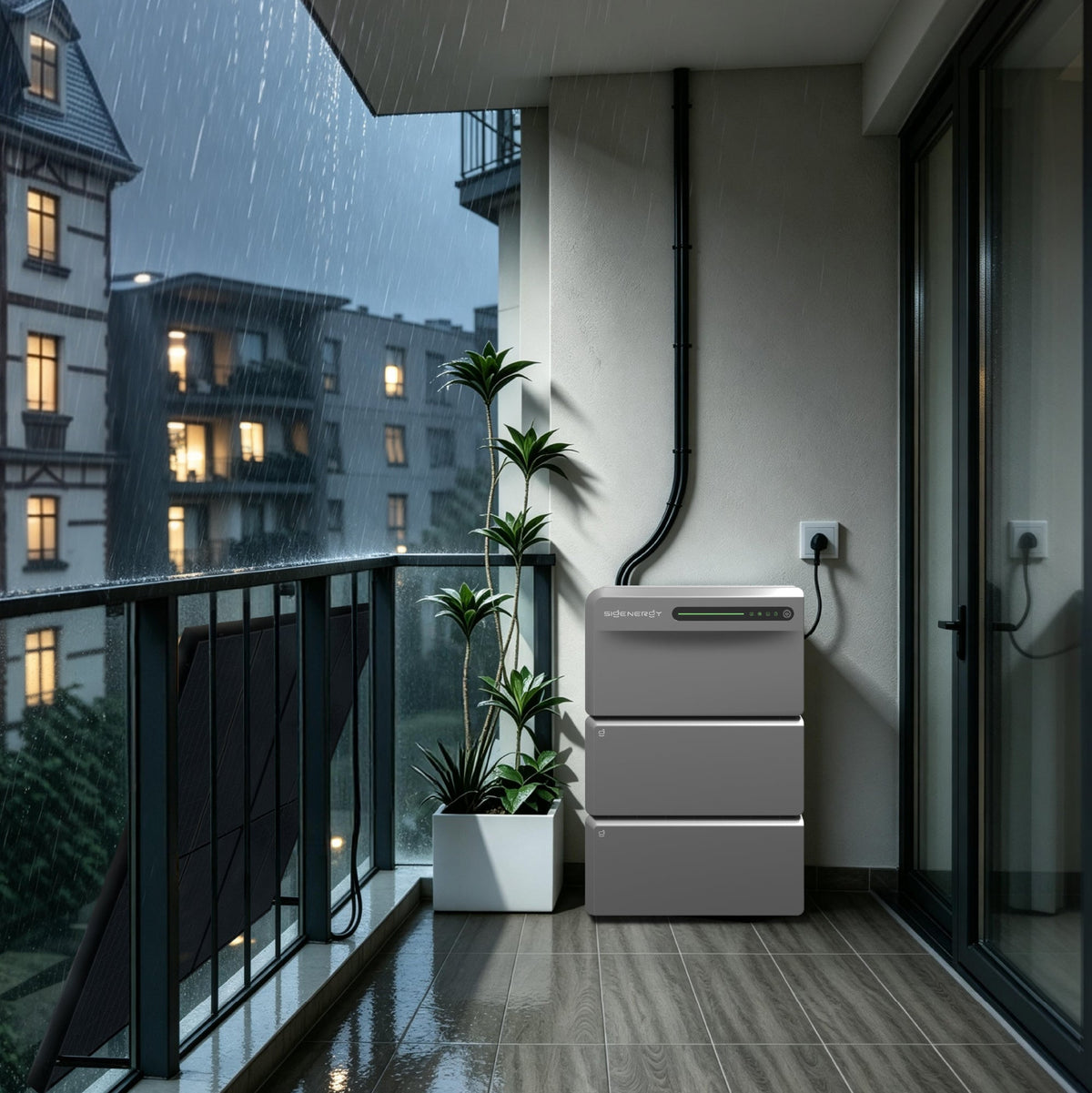
SigenMate 2700 Ultra combines an integrated inverter with a cable connection. Before installation, check the manual and confirm whether your configuration and electrical installation require a dedicated circuit, electrical modifications or professional installation. A plug-in design does not mean every Dutch configuration can be self-installed.
2. Solar integration
Some compact batteries have dedicated PV inputs. Others are AC coupled and can work with an existing rooftop system. If you already have solar panels, check compatibility with your inverter or microinverters, metering and control equipment before purchase.
3. Battery capacity and expansion
A smaller system may cover evening self-consumption. A home with an EV, heat pump or other large loads may need more capacity. Modular expansion can help when energy needs change.
SigenMate 2700 Ultra has 2.688 kWh of nominal battery capacity. Each main unit supports up to six BAT 2700 expansion batteries, giving approximately 18.8 kWh per stack. Up to three main units can use the supported AC parallel configuration, giving approximately 56.4 kWh when fully expanded. These are nominal figures, not usable capacity; follow the manual for the supported connection and installation requirements.
Read how to choose home-battery capacity before deciding how many modules to buy.
4. Continuous output and peak loads
Do not compare batteries only by kWh. Power output in kW determines how much load a system can support at once. Enough stored energy does not guarantee that several high-power appliances can run simultaneously.
5. Backup during a power outage
Do not assume a grid-connected battery powers the whole house when the grid fails. Check which socket or circuit remains powered, maximum backup power, transfer behavior, any manual switching and the reserve kept for emergencies.
6. Smart control
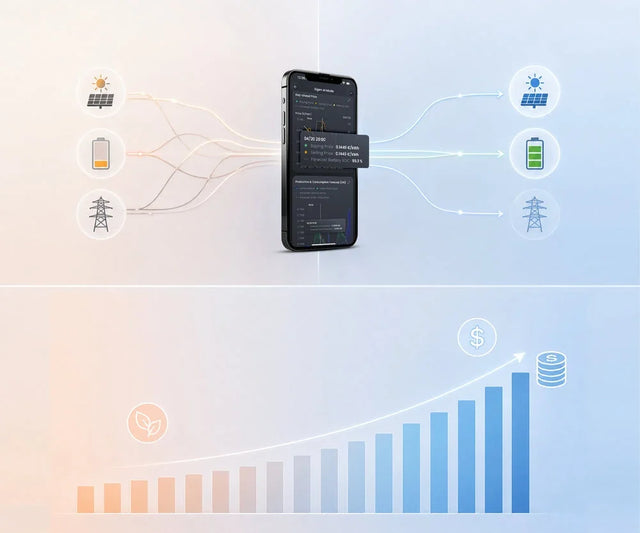
Check how the system measures household energy flow and which app, automation and dynamic-tariff functions are supported by your configuration. As Dutch net metering ends on 1 January 2027, the timing of solar consumption and battery charging becomes more relevant. Savings remain household-specific.
A practical comparison checklist
| What to compare | Plug-in-oriented storage | Fixed home battery |
|---|---|---|
| Installation | Designed for simpler setup; electrical checks may still be needed. | Typically permanently wired and professionally installed. |
| Solar integration | May support direct PV inputs, existing solar, or both. | May use a separate battery inverter or a hybrid inverter. |
| Expansion | Check maximum capacity and output limits. | Depends on battery and inverter configuration. |
| Power | Compare continuous output and peak power. | Compare continuous output and peak power. |
| Backup | May power appliances through dedicated backup sockets. | May support selected circuits or the whole home with suitable equipment. |
| Smart control | Check metering, app and tariff support. | Check metering, app and tariff support. |
Features vary by product. Also compare usable kWh, total installed cost, warranty and local service. Check exact specifications and local installation requirements.
Explore your options
Compare the SigenMate main unit with bundles with expansion batteries. The product-page calculator can help you explore a recommended bundle and estimated savings; its estimate is not a guaranteed return.
Sources
- Rijksoverheid: net metering ends in 2027
- SigenMate 2700 Ultra specifications
- SigenMate Series user manual
Worked example — assumptions, not a product forecast
A practical decision for an existing solar home
For a home that already has rooftop solar, start with the existing inverter, metering and electrical circuit. Ask whether the proposed battery can measure import/export and work with that installation. Then check usable capacity and continuous power.
If the goal is keeping a fridge and router running during an outage, confirm the supported backup outlet or circuit and the appliances’ combined running and starting power. If the goal is whole-home backup, ask for the required switching and installation design. A cable connection by itself proves neither self-installation suitability nor whole-home backup.
Questions before you choose storage
Does a plug-in battery always mean no electrician is needed?
No. Requirements depend on the product, selected configuration, circuit capacity and applicable local installation rules. Follow the manual and have the electrical installation assessed where necessary.
Can an existing solar inverter work with any battery?
No. Confirm AC or DC integration, inverter compatibility, metering and control requirements. A battery may have direct PV inputs, support existing solar equipment, or require a different architecture.
Will a grid-connected battery power my whole home during an outage?
Not automatically. Confirm which outlet or circuits remain supplied, the continuous backup rating and any switching equipment. Whole-home backup must be supported by the exact product and installation.
Independent guidance: home batteries and solar self-consumption
Sources checked: 4 October 2026 · Sigenergy Team

Leave a comment
This site is protected by hCaptcha and the hCaptcha Privacy Policy and Terms of Service apply.