

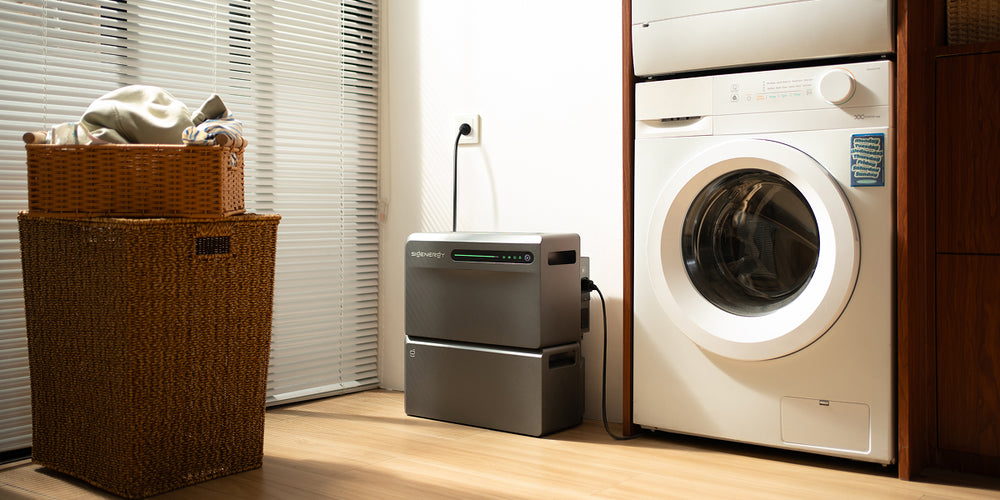
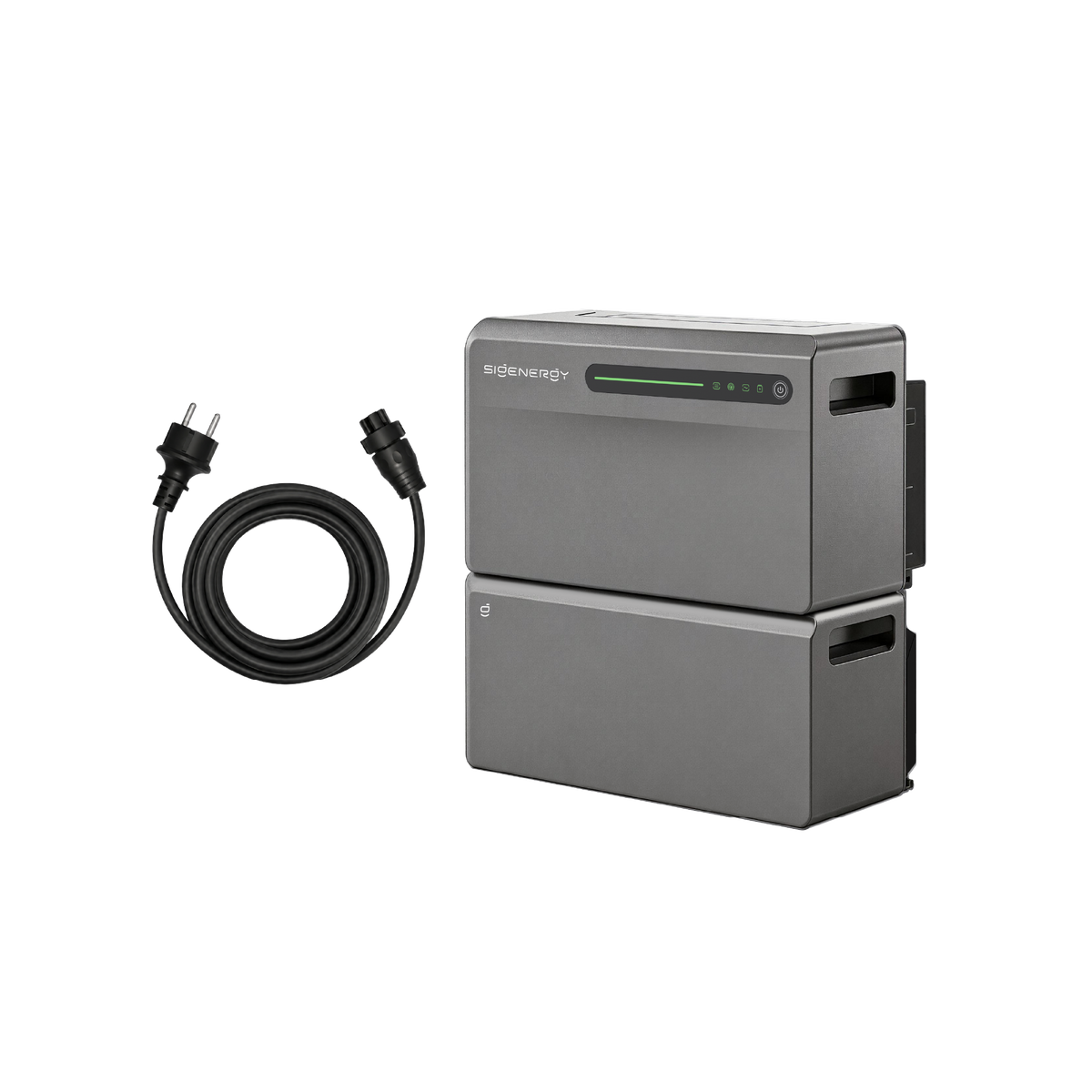

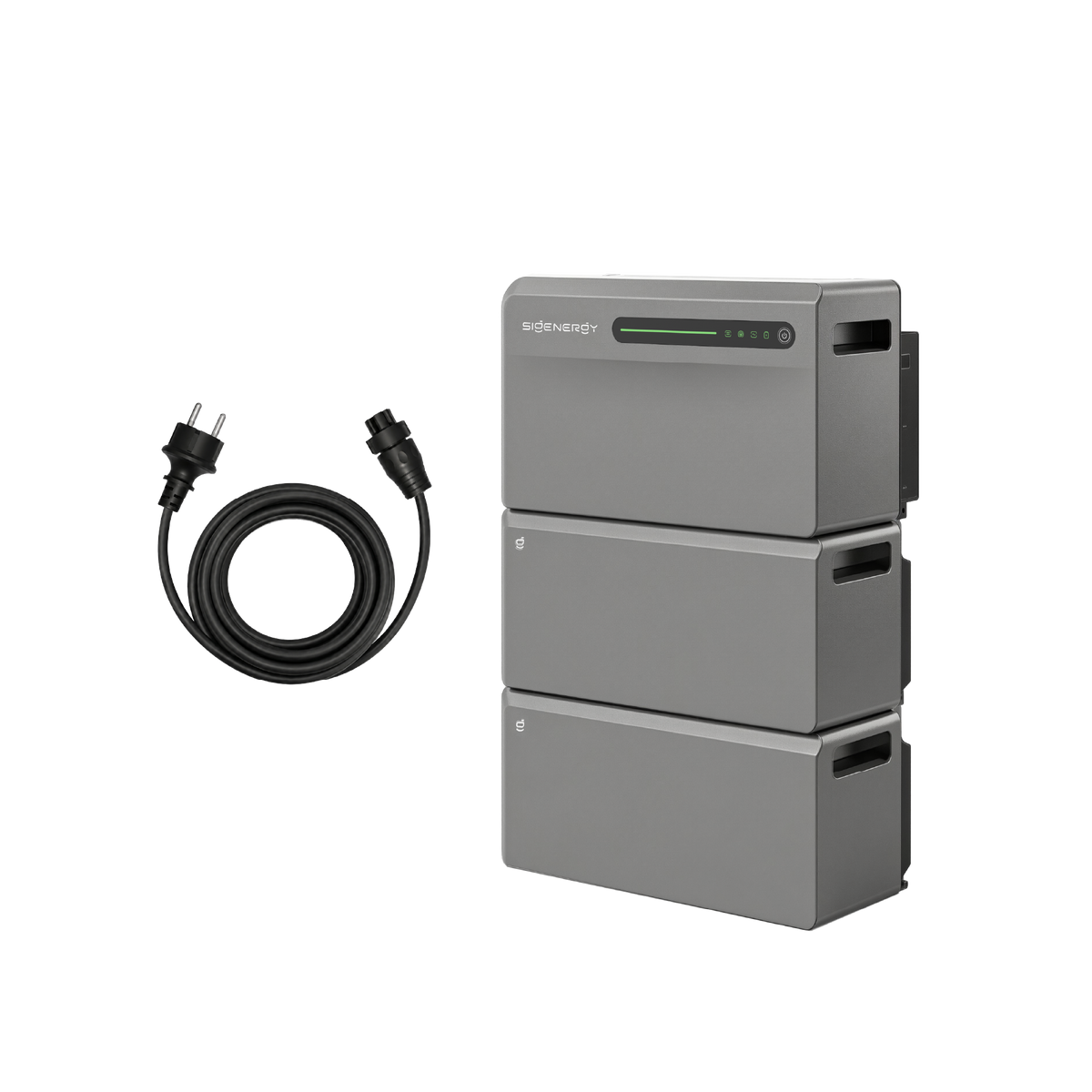
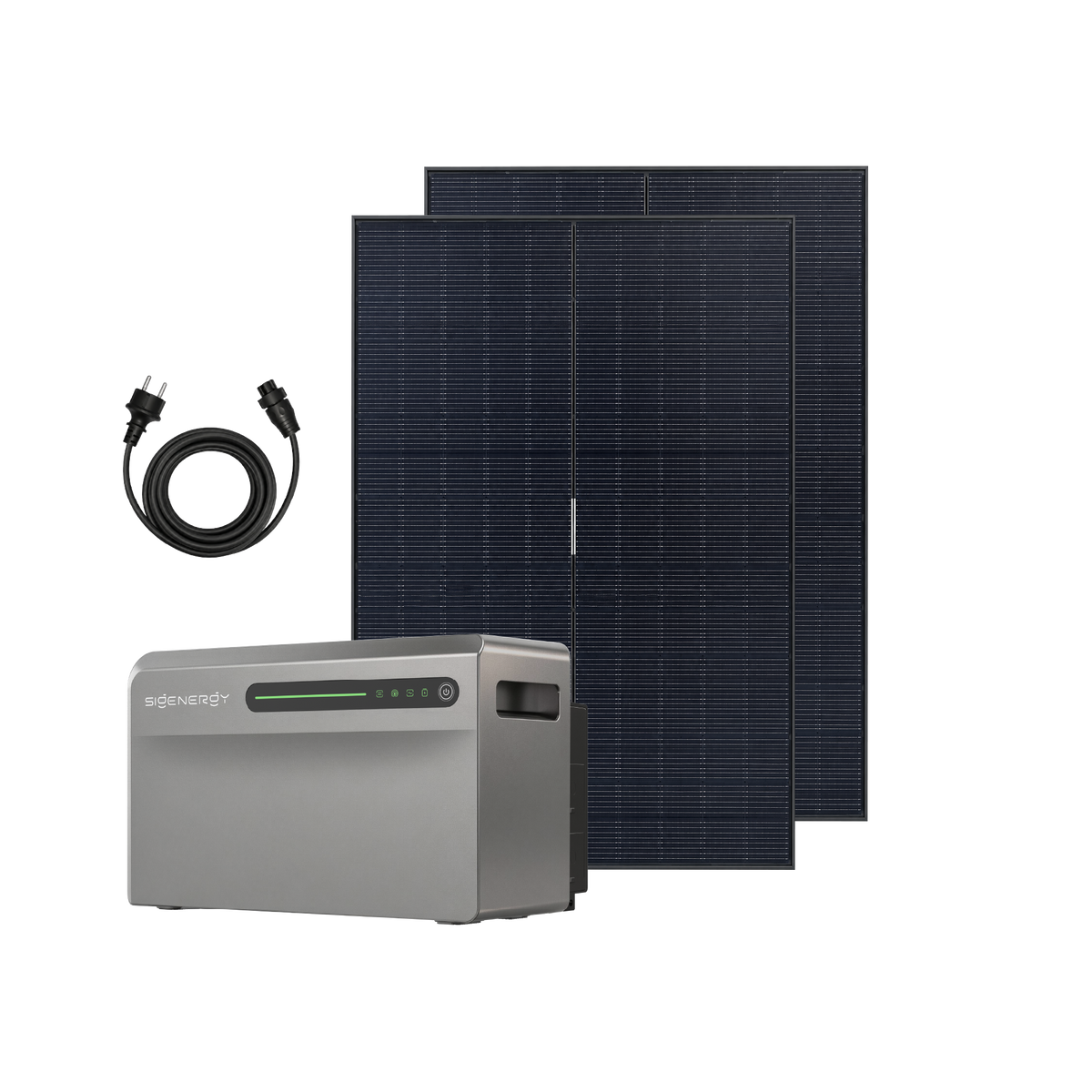



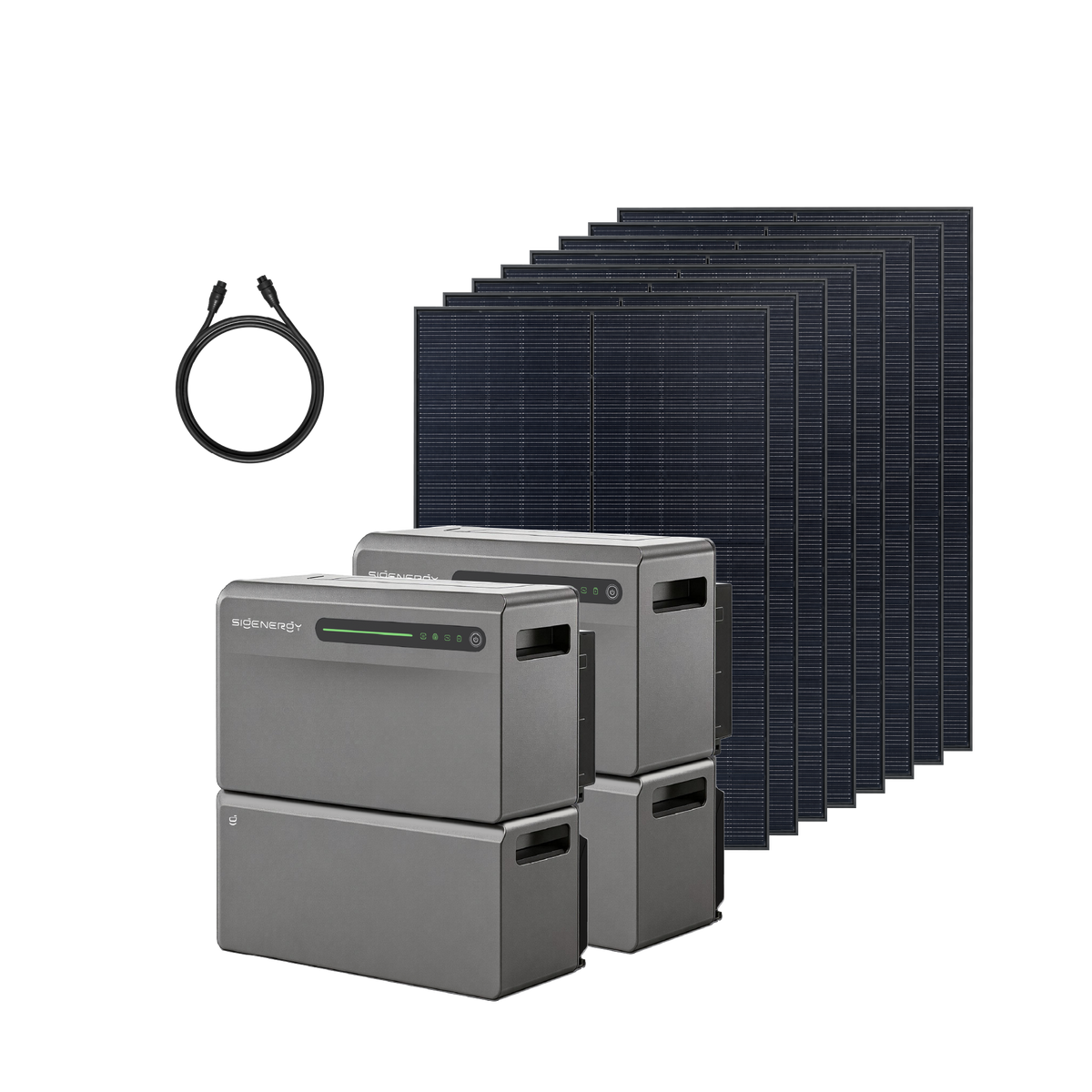
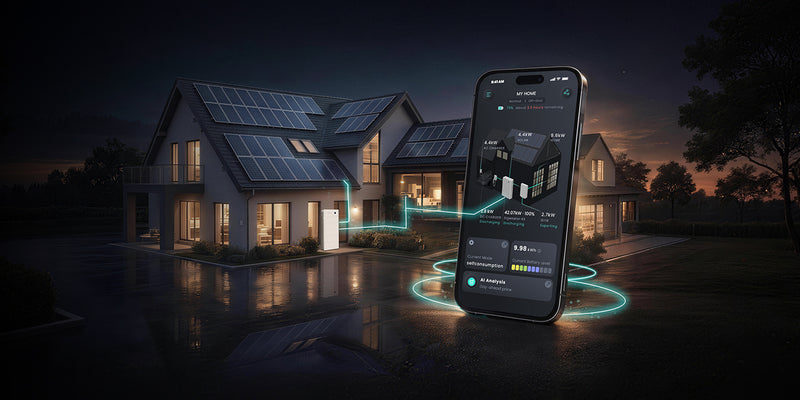

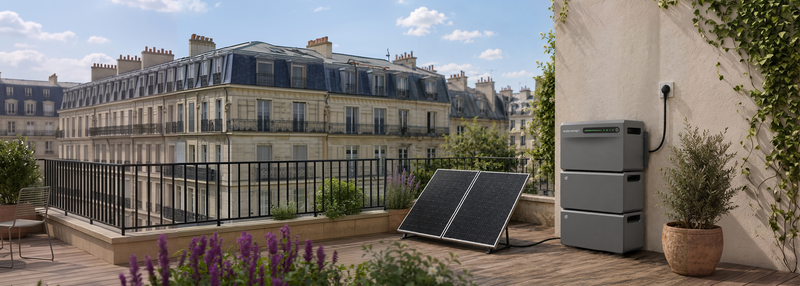
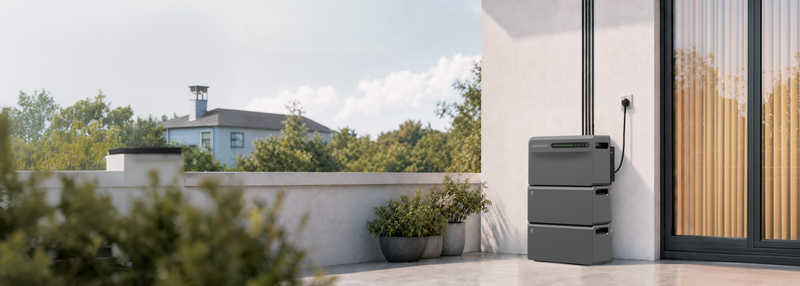
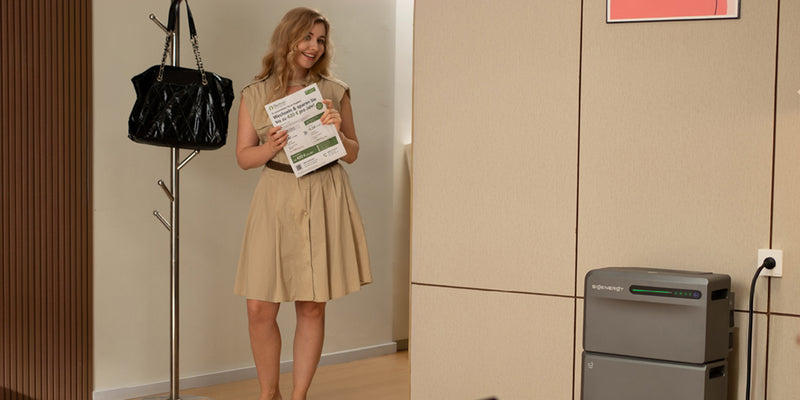
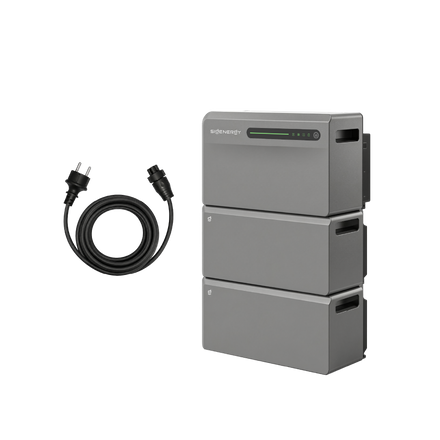
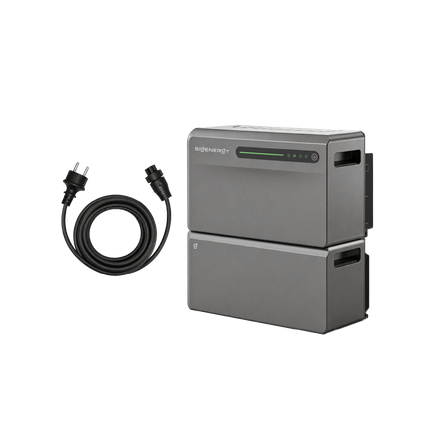
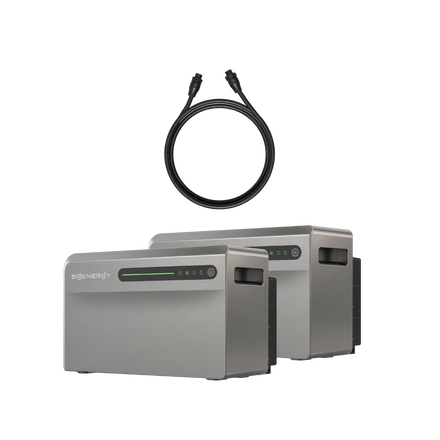
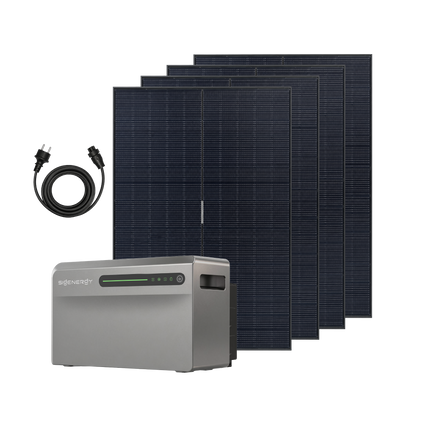

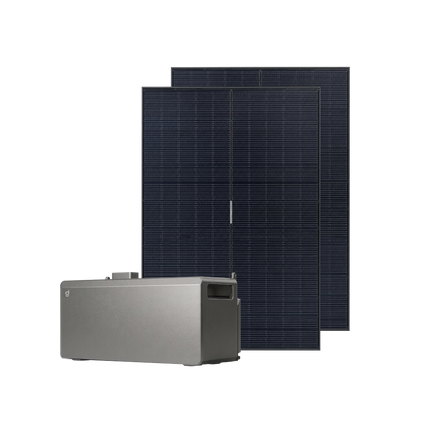
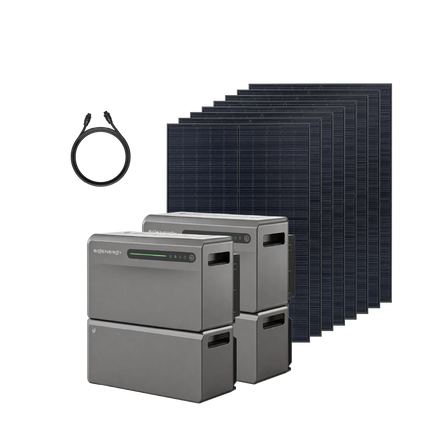
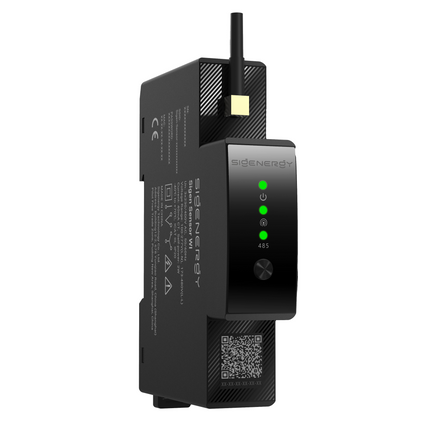
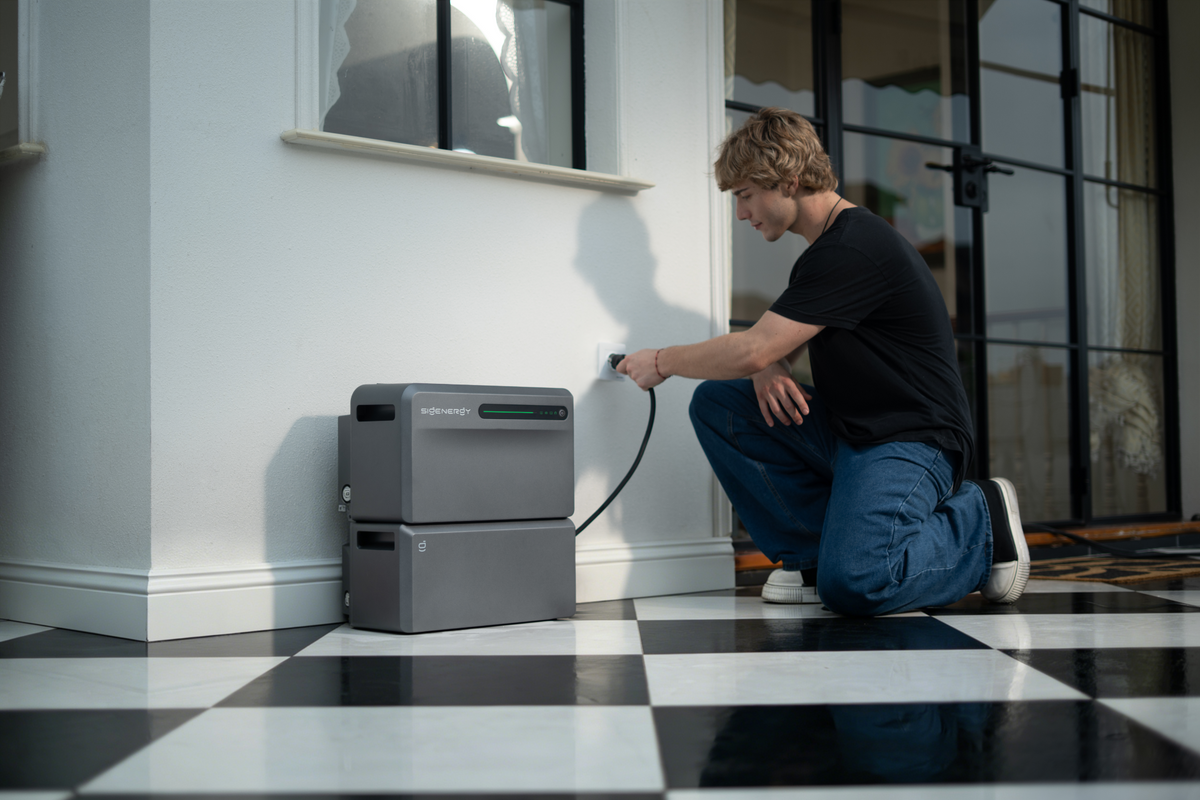
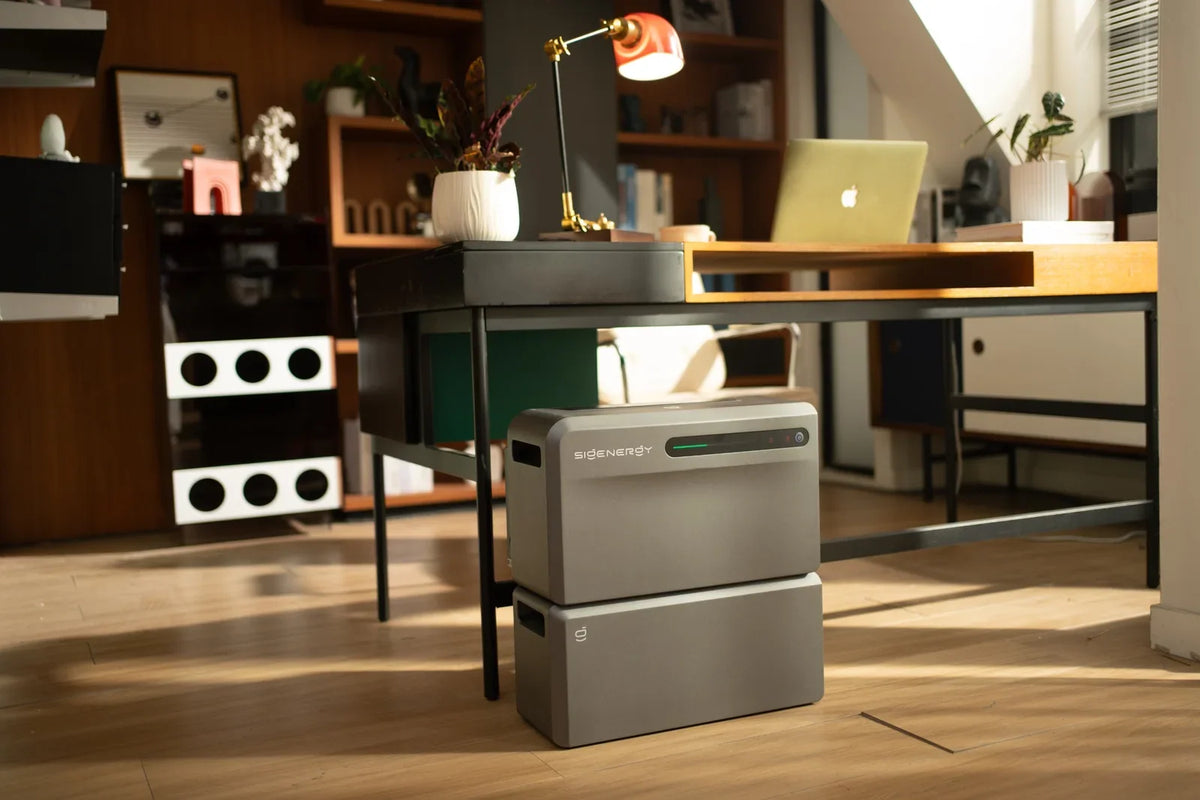
Illustrative garage setting; not an installation approval. The actual base must be non-combustible and meet the manual's requirements.
A home battery is not a piece of furniture. Its location affects temperature, cable routing, access, exposure to water and the household’s ability to respond to an incident.
There is no single room that is automatically right for every battery. A garage may be suitable in one home and unsuitable in another. Outdoor placement may be allowed for one product but prohibited for another.
The safest decision combines three sources: the manufacturer’s installation instructions, an installer’s assessment and current Dutch fire-safety guidance.
Start with the escape route
Brandweer Nederland advises careful consideration of the battery’s location. A practical first question is: would smoke, heat or a damaged battery block the route people need to leave the home?
Avoid treating hallways, staircases and narrow passages as convenient unused space. An escape route should remain clear and usable.
Compare locations by risk, not convenience
| Possible location | Questions to ask |
|---|---|
| Garage | Can a vehicle hit the battery? Is the room too cold, hot or damp? Is there suitable ventilation and access? |
| Utility room | Is the room also an escape route? Are combustible items stored next to the battery? Can heat dissipate? |
| Shed | Is the structure dry, secure and within the product’s temperature limits? Is the electrical route compliant? |
| Outdoors | Is the exact product approved for outdoor use? Is it protected from standing water, flooding and impact? |
| Attic | Can installers and emergency services access it safely? What are the summer temperatures and structural conditions? |
| Living area | Are manufacturer clearances, noise, access and fire-safety considerations compatible with daily use? |
This table is not an approval list. The installer must assess the actual building, and the selected location must meet the installation conditions for the exact product.
Seven placement checks
1. Keep heat and ignition sources separate
Do not place a battery next to heaters, boilers, open flames or equipment that can create excessive heat. Follow the manufacturer’s clearances rather than inventing a gap.
2. Protect against water and flooding
A high ingress-protection rating does not make every wet location suitable. Consider leaking pipes, floor drains, groundwater, rain exposure and standing water.
3. Prevent impact
In a garage or storage room, prevent collision by a car, bicycle, trolley or heavy object. Protective barriers must not block required airflow or service access.
4. Keep ventilation and clearances open
Do not build a tight cupboard around the battery unless the manufacturer has approved the enclosure. Avoid stacking boxes, textiles or other combustible materials around it.
5. Plan electrical routing
Cable length, protection, isolation and the meter cabinet route influence the location. Electrical work in the distribution board belongs to a qualified professional.
6. Make alarms and identification part of the plan
Discuss appropriate smoke or heat detection with the installer and use current Dutch fire-service guidance. Make the battery visible and identifiable rather than hiding it behind stored items.
7. Keep access for service and emergency response
Technicians must be able to inspect the system. Household members should know the location, the official shutdown guidance and who to contact.

Warning signs that need action
Contact the supplier or installer if you notice:
- physical damage or swelling;
- unusual heat, smell, smoke or hissing;
- repeated unexplained fault messages;
- water ingress or impact;
- damaged cables or connectors;
- a recall or urgent safety notice.
If there is smoke or fire, leave the area, call 112 and follow emergency-service instructions. Do not open the battery or attempt improvised cooling.
Do standards make the location automatically safe?
No. Standards, conformity documentation and product testing are important, but the installation still has to match the building, electrical system and manufacturer instructions.
What this means for SigenMate
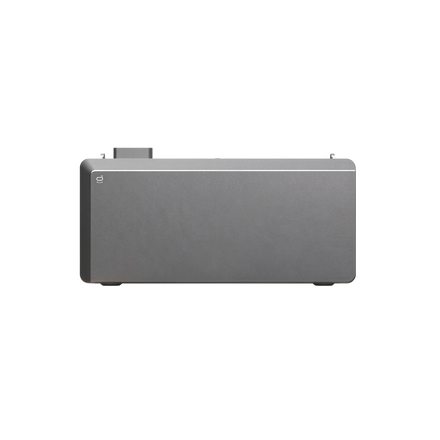
For SigenMate 2700 Ultra, the manual sets out the following environmental and access conditions to consider alongside the wider fire-safety checks above:
- Install the unit on a stable, level, non-combustible base that supports its weight and leaves access for servicing.
- Keep it in a well-ventilated location and away from direct heat, open flames and combustible materials.
- Do not block the unit or its airflow with boxes, textiles or a tightly enclosed cabinet.
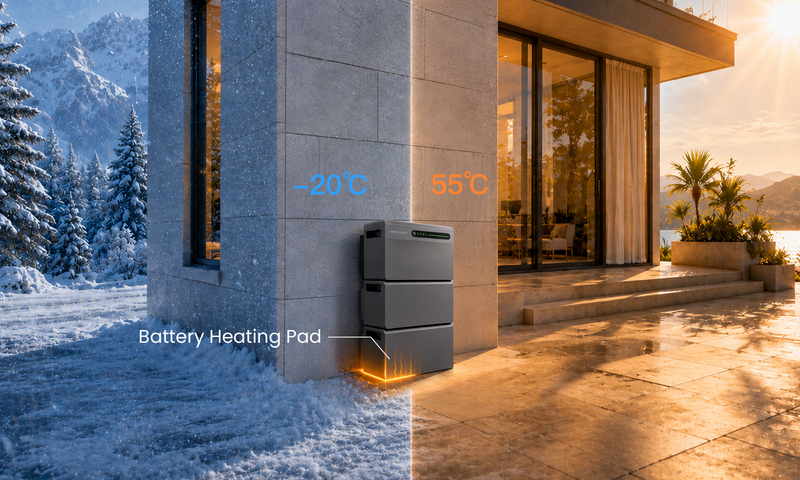
- Keep the installation within the temperature and humidity limits specified for the exact model in its current documentation.
- Although the unit is rated IP66, avoid locations exposed to standing water, flooding or likely water ingress.
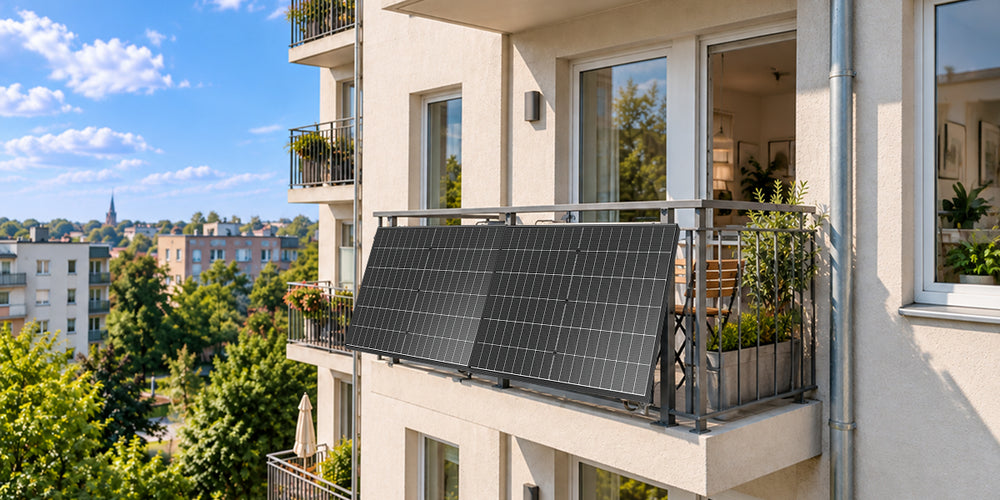
- For outdoor use, use a sheltered location as specified by the manual; avoid direct sun, rain, snow, standing water and impact.
Before installation: a five-minute briefing
Ask the installer to record:
- exact product and serial numbers;
- chosen location and reason;
- required clearances;
- electrical route and protection;
- environmental limits;
- update and maintenance responsibilities;
- alarms or monitoring;
- official shutdown and emergency contacts;
- insurer notification, if required.
Keep the document with the invoice and manual. If the room or building use changes later—for example, the garage becomes a storage room—reassess the area around the battery.
FAQ
Can a home battery be installed in a garage?
Possibly, if the product permits it and the location is dry, protected from impact, within temperature limits and correctly installed.
Is outdoor installation always safer?
No. Outdoor placement introduces weather, water, temperature and security questions. It must be approved for the exact product.
Should a home battery be placed in a hallway?
An escape route is generally a poor place to add risk or obstruction. Follow fire-service and product guidance.
Do I need a smoke detector near the battery?
Detection should be assessed for the specific room and system. Follow current Brandweer Nederland and manufacturer guidance.
Can I put the battery in a cupboard?
Only if the manufacturer explicitly permits the enclosure and required clearances, ventilation and access are maintained.
Manuals and further reading
- Dutch SigenMate user manual
- Installation and downloads
- SigenMate FAQ
- Home batteries in winter
- Brandweer Nederland: safe home batteries
Sources checked on 13 November 2026. This checklist supports location planning and does not replace the product manual or an installation assessment.


Leave a comment
This site is protected by hCaptcha and the hCaptcha Privacy Policy and Terms of Service apply.