












Look beyond the capacity headline
When comparing plug-in home batteries, look beyond the marketing headline of “X kWh capacity” and consider what you receive in daily operation.
That is important because two batteries with the same advertised capacity can behave very differently in efficiency, available energy, output power, cold weather, app accuracy and backup functions.
1. Usable capacity, not only nominal capacity
A battery may be advertised with a certain total capacity, but not every kilowatt-hour is necessarily available for normal use.
Battery-management systems reserve energy at the top and bottom of the state-of-charge range to protect the cells.
Compare the energy you can actually charge and discharge, not only the headline number.
2. Round-trip efficiency
Every time electricity is stored and discharged, some energy is lost.
Round-trip efficiency tells you how much energy comes back out after the complete charge-and-discharge cycle.
If two systems both store the same amount of energy but one loses significantly more during conversion, the long-term difference can become meaningful.
3. Power output
Capacity and power answer different questions.
- kWh = how much energy can be stored.
- kW = how much power the battery can supply at one moment.
A home with an induction hob, dryer, heat pump or EV charger may care as much about output power as total capacity.
4. Performance at lower temperatures
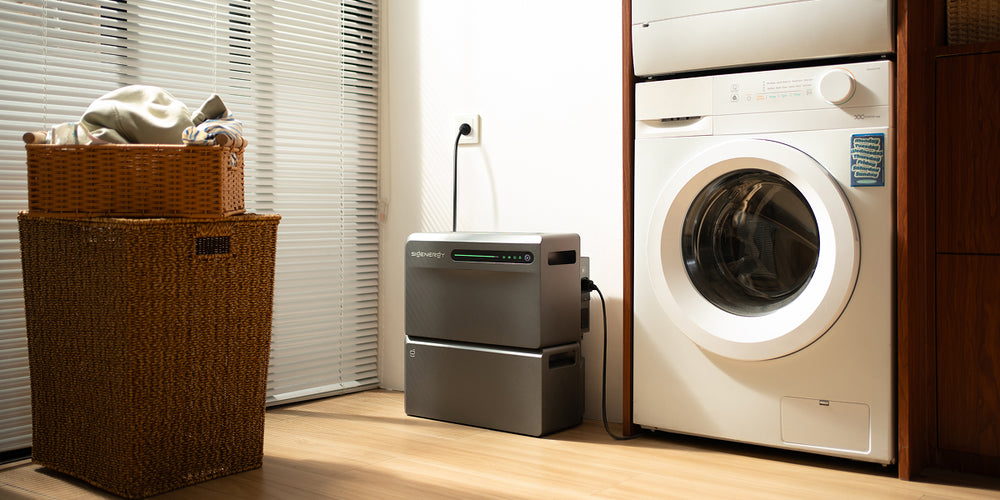
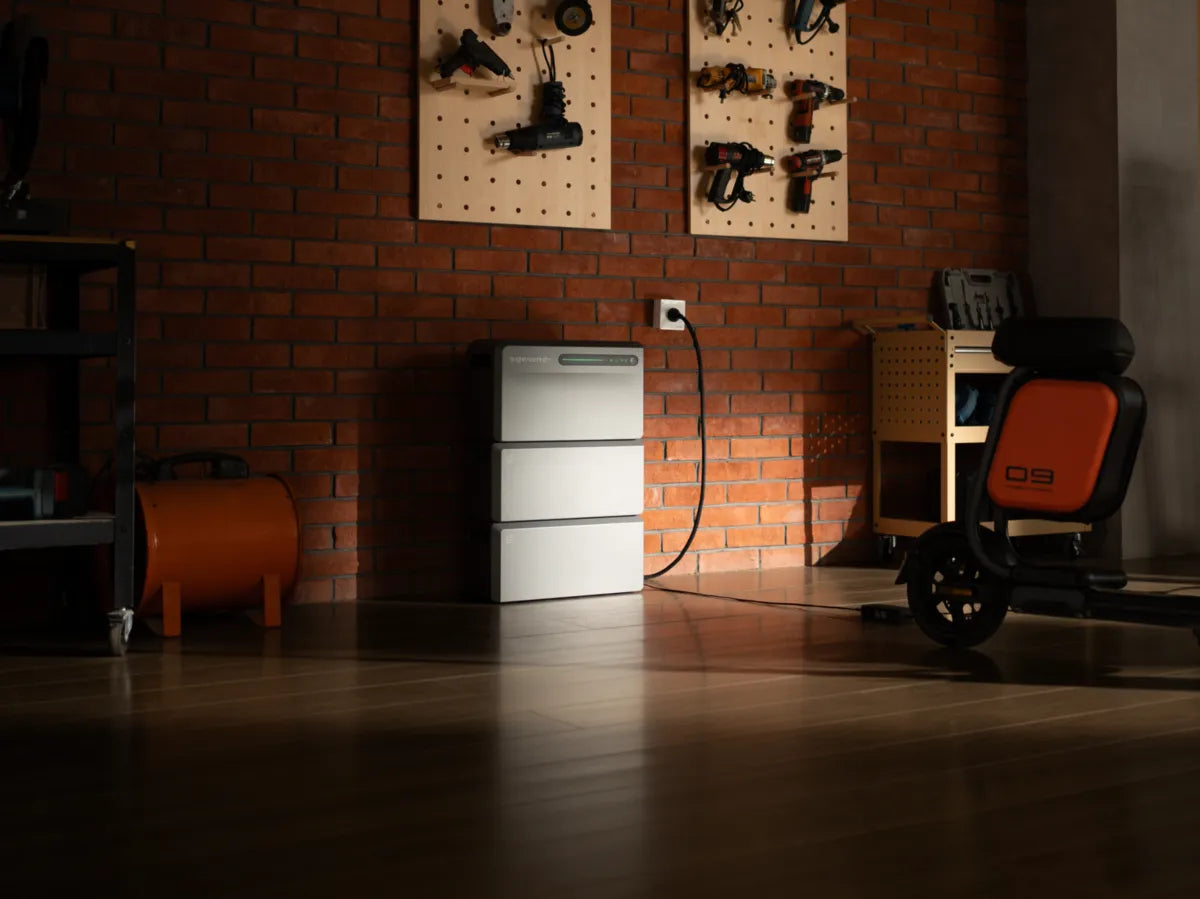
The Netherlands has many garages, sheds and utility spaces where users may want to place a battery.
Different batteries can behave differently at lower temperatures.
The relevant questions are:
- permitted operating temperature;
- whether charging is limited in cold conditions;
- whether the product has active heating;
- how usable capacity changes at low temperature.
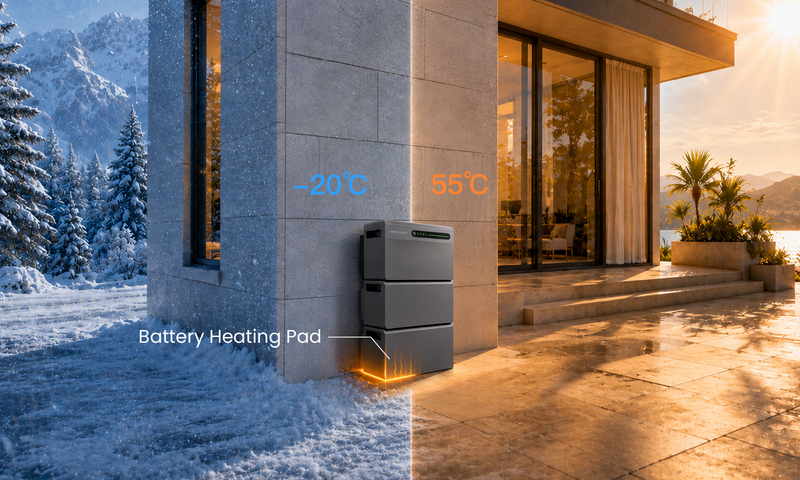
When comparing systems, check the specified operating temperature range, how charging is managed at low temperatures, whether the battery has an integrated heating function, and how usable capacity and power output change in the cold.
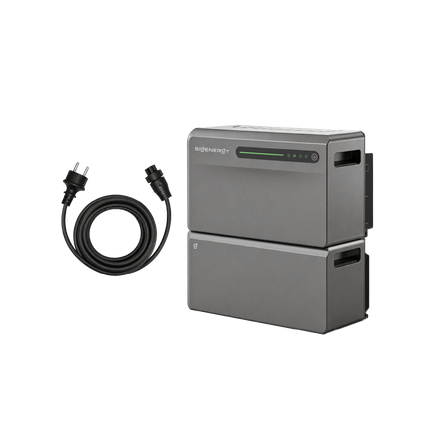
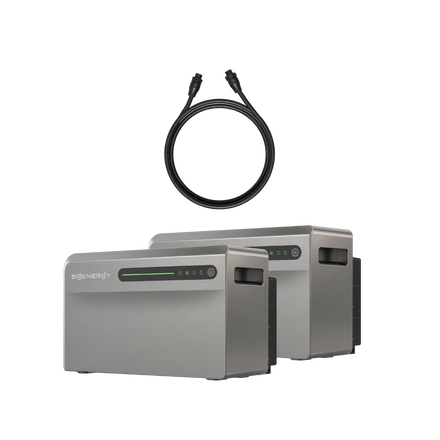
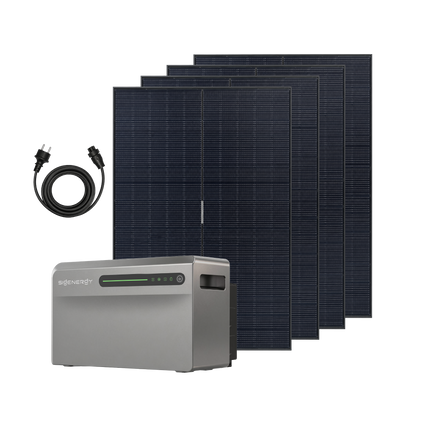
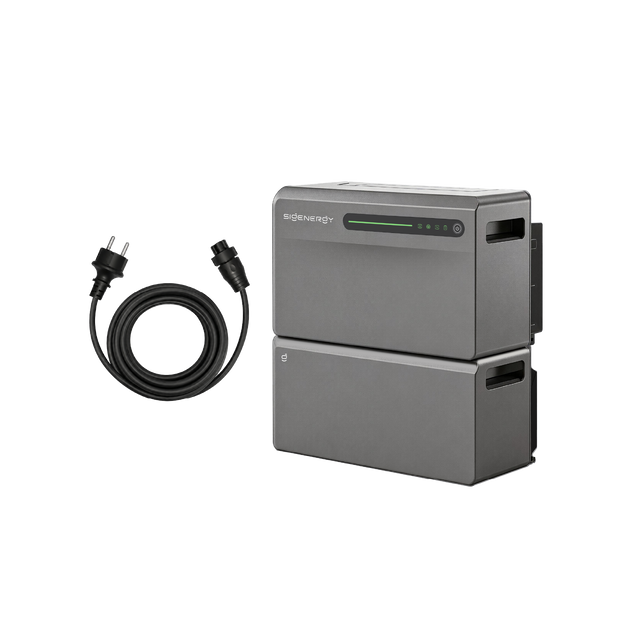
SigenMate 2700 Ultra has a published operating temperature range of −20°C to 55°C and an integrated battery heating film designed to support operation in cold environments.
These temperature ratings do not mean that a battery can charge at its minimum ambient operating temperature without restrictions. Actual charging and discharging behaviour depends on battery temperature, the heating and protection controls, and the manufacturer's operating requirements.
5. Metering accuracy
A smart battery makes decisions based on measurements.
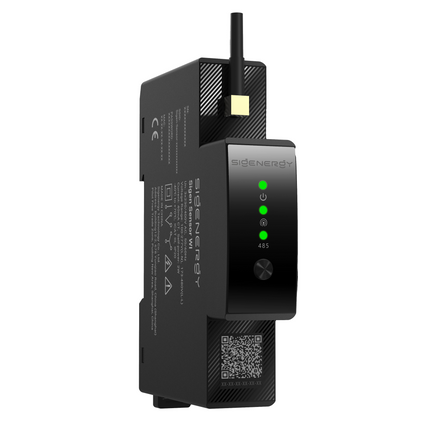
If the P1 meter, CT sensor or other measurement source is delayed or inaccurate, the battery may charge or discharge at the wrong time.
This affects “zero export”, self-consumption and dynamic-tariff strategies.
Do not evaluate the battery separately from its measurement architecture.
6. Software and automation
Apps should do more than show a battery percentage.
Useful software can help users understand:
- household consumption;
- PV production;
- import and export;
- battery state of charge;
- savings logic;
- dynamic tariffs;
- forecast-based control.
For many households, good software will determine whether the system is genuinely useful every day.
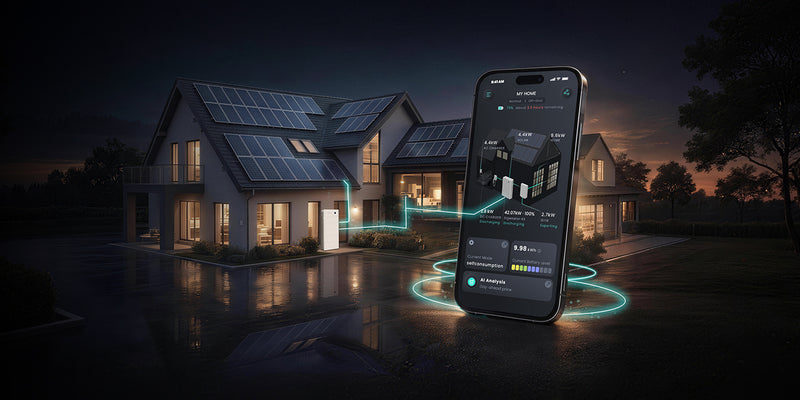
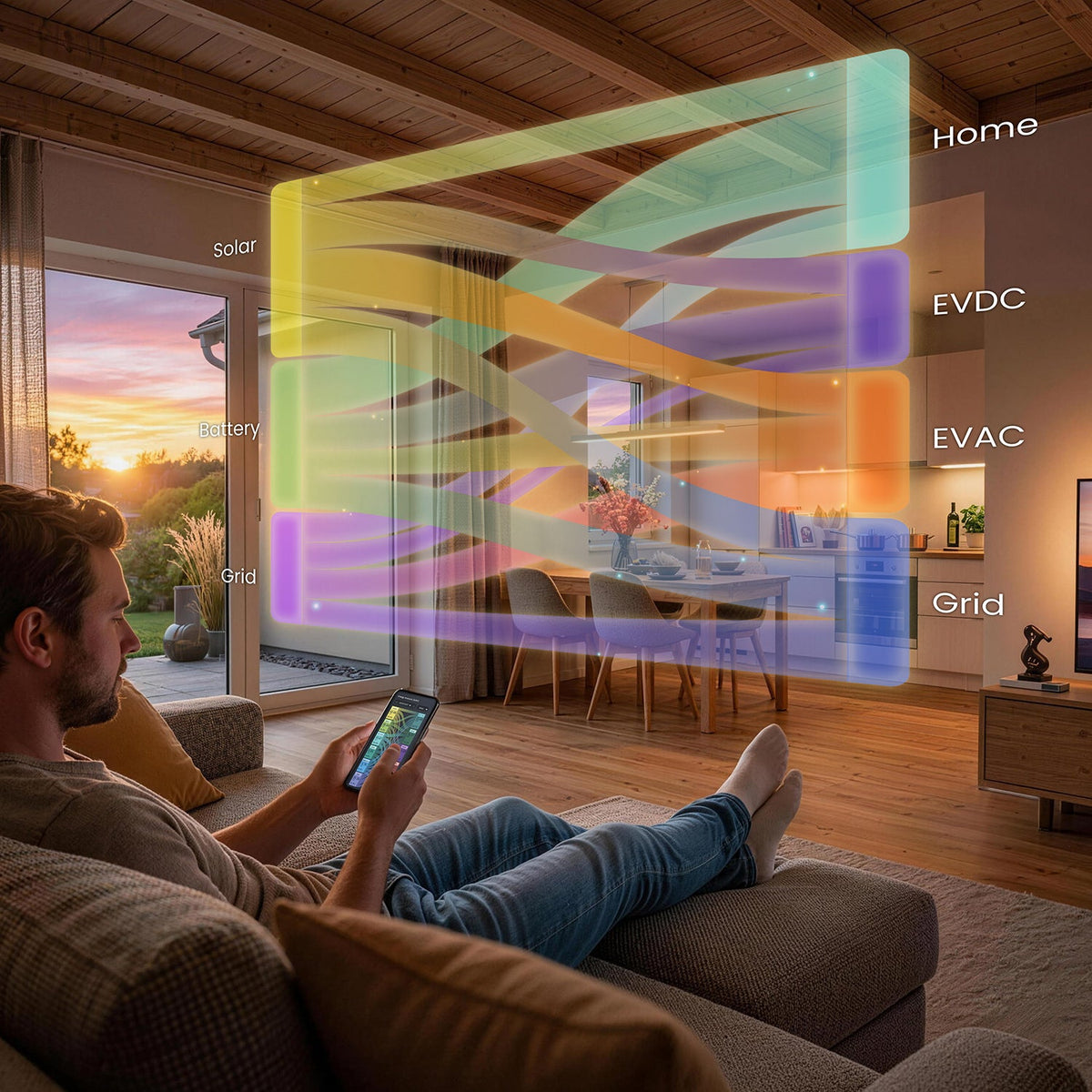
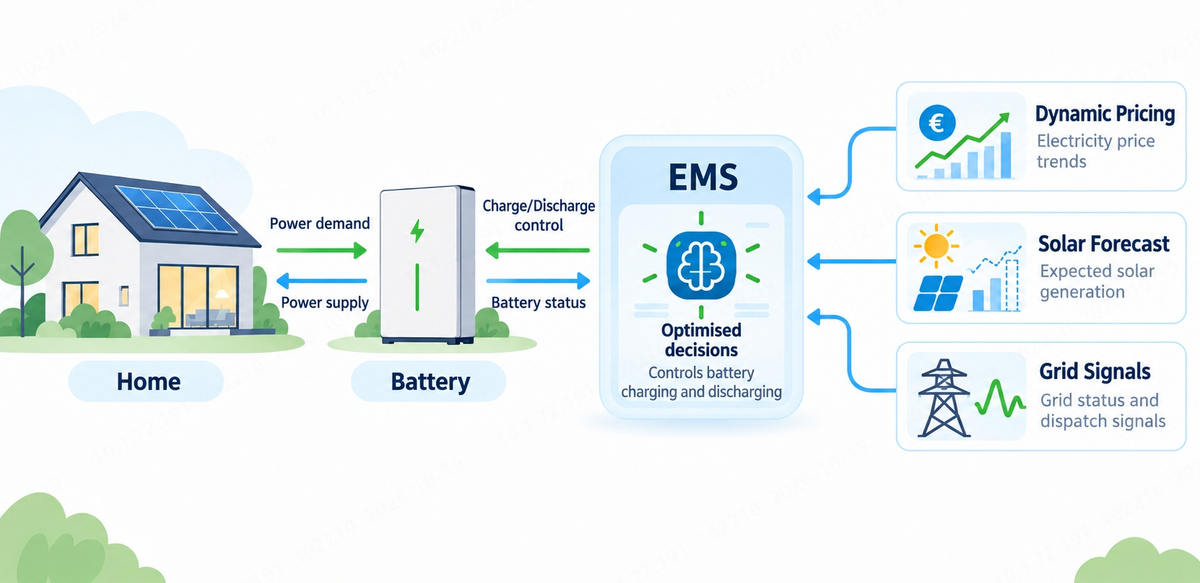
The mySigen app helps users understand and manage their home energy system beyond simply displaying battery charge levels. Depending on the system configuration and connected metering devices, users can view household energy flow, solar generation, grid power, battery state of charge and power trends.
Sigen AI combines available electricity tariff data, weather information and household consumption patterns to help optimise energy use. The app also provides forecasts for solar generation, household load and battery state of charge for the current day and the following 24 hours.
In the Netherlands, additional electricity tariff plans are supported. However, tariff-based optimisation and future price visibility depend on the selected electricity plan, available provider data and system configuration. Actual savings vary with household consumption, solar generation, electricity prices and operating conditions.
7. Safety, warranty and service
Price per kWh is easy to compare, but after-sales support is harder to see on a product page.
Check:
- battery chemistry;
- thermal protection;
- electrical safety;
- installation requirements;
- warranty period;
- local support and firmware update process.
A lower purchase price is less attractive if the product has weak support or unclear operating limits.


Leave a comment
This site is protected by hCaptcha and the hCaptcha Privacy Policy and Terms of Service apply.