

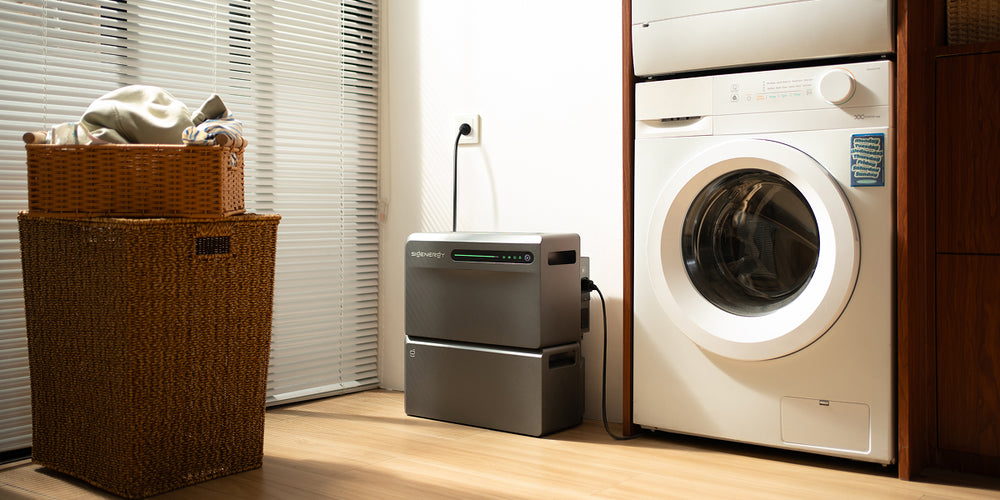
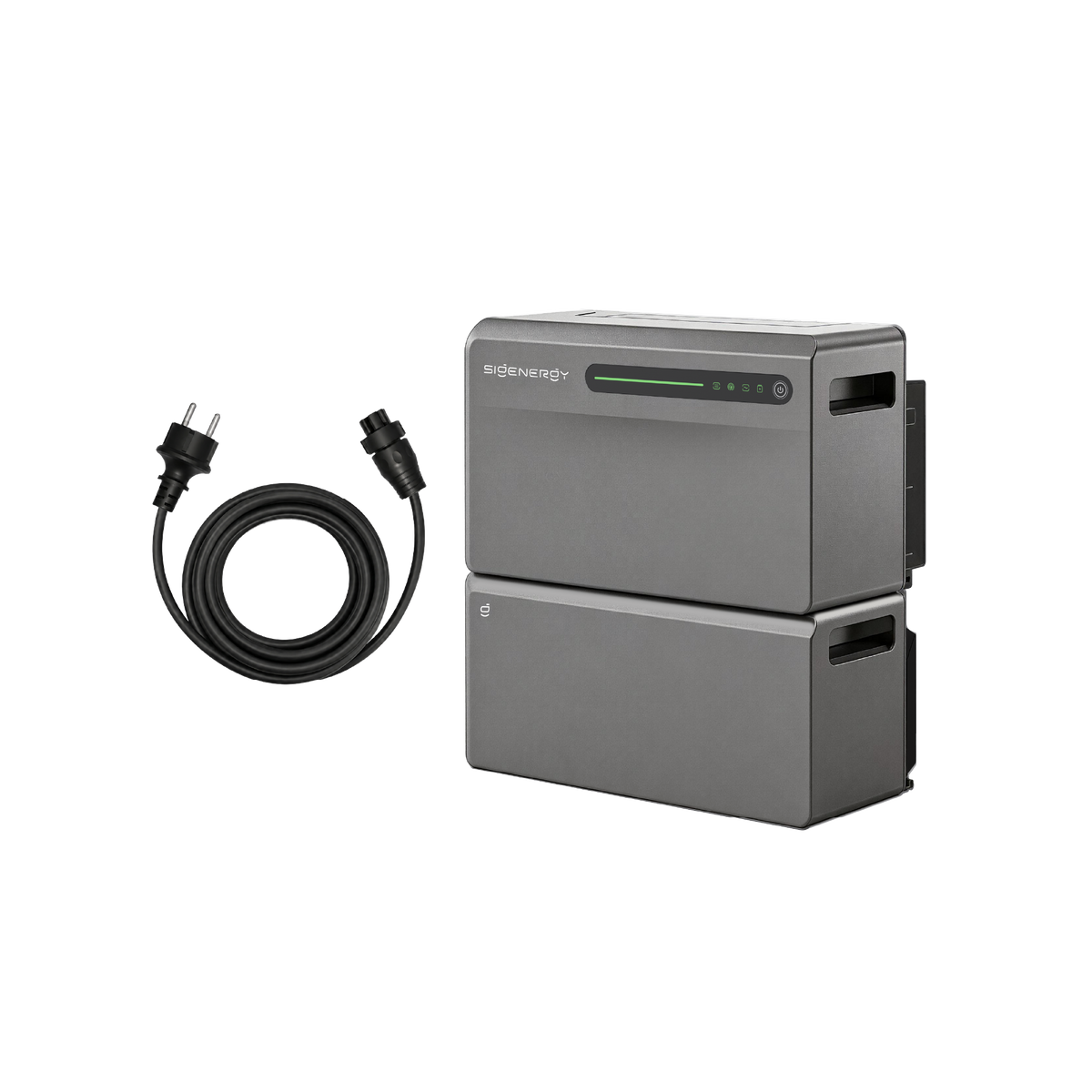

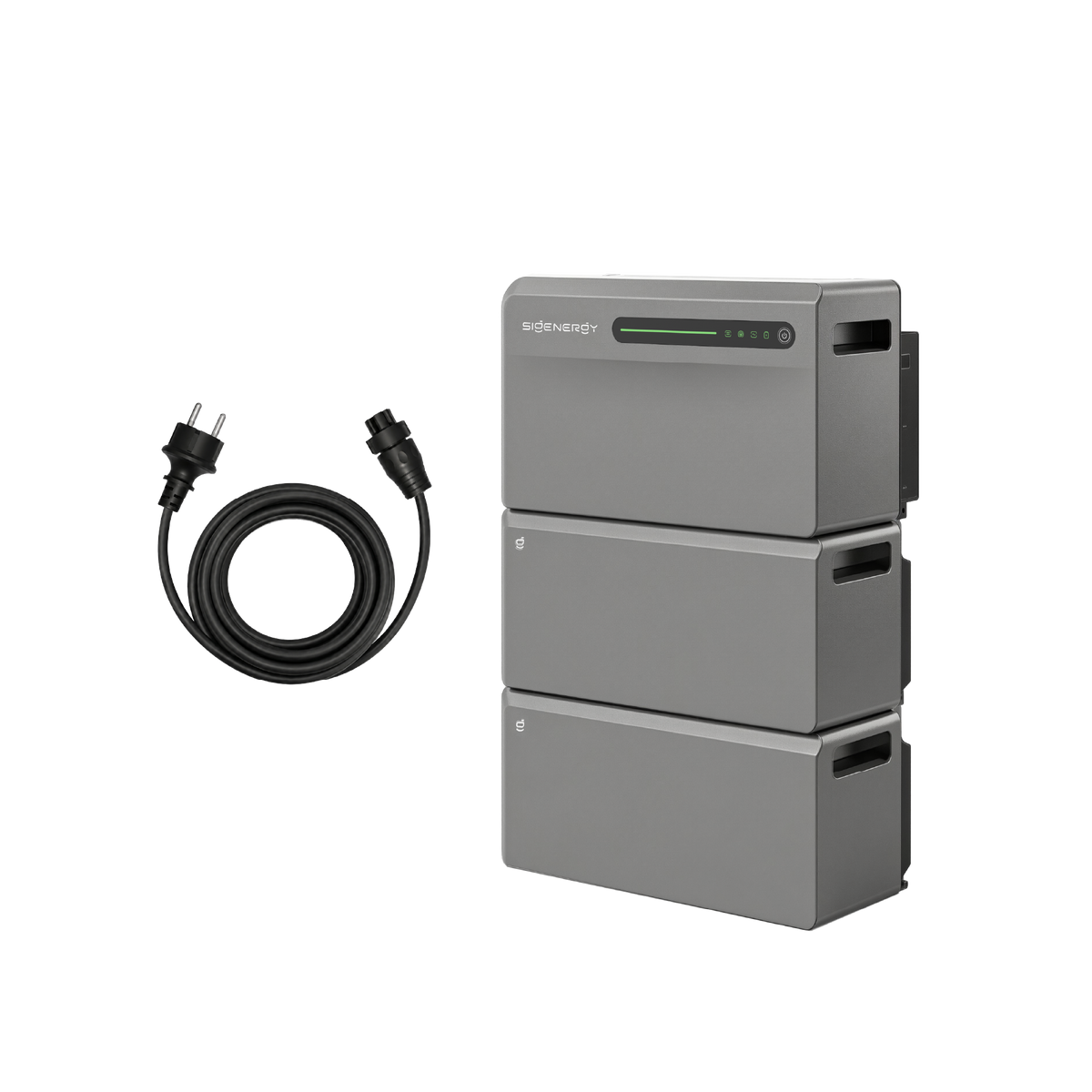







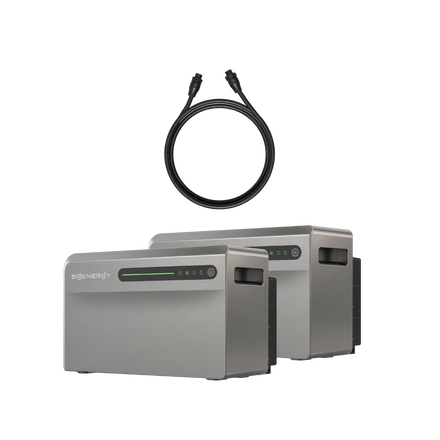
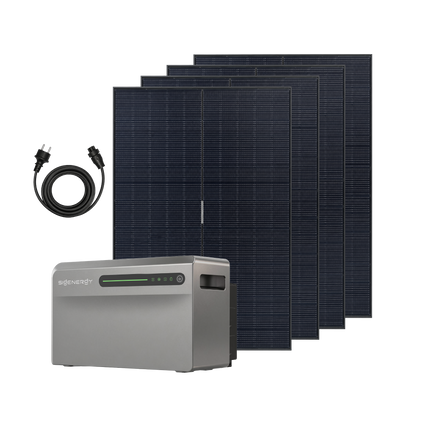

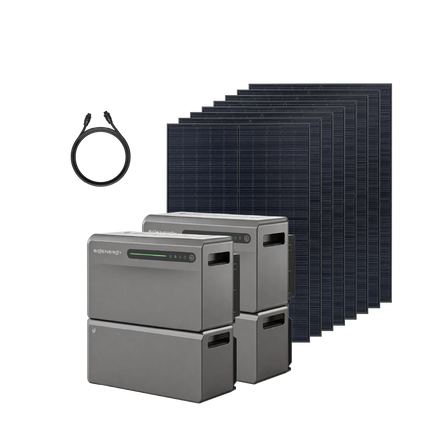
Home batteries are becoming part of a wider energy system
The first generation of consumer batteries had a simple job: store solar electricity and use it later.
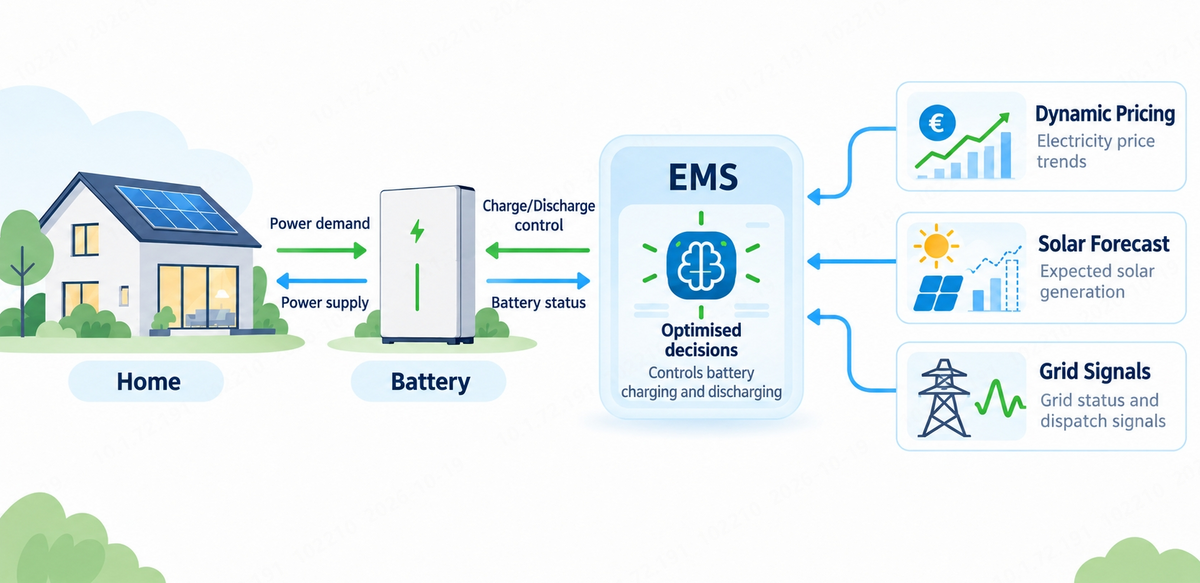
Some compatible home batteries can now be connected to energy suppliers, aggregators and digital energy-management platforms, allowing them to participate in automated energy management services.
That allows the battery to react not only to the home, but also to market prices and sometimes local grid conditions.
What is aggregation?
An aggregator combines many small flexible assets—such as home batteries, EV chargers or heat pumps—into one controllable portfolio.
One battery is small from the perspective of the electricity system. Thousands of coordinated batteries can become meaningful.
The aggregator can then decide when participating assets should charge, discharge or remain idle, subject to user settings and technical constraints.
Dynamic tariff control
With a dynamic contract, electricity prices vary through the day.
An automated controller can potentially:
- charge when electricity is relatively cheap;
- discharge when electricity is expensive;
- preserve battery capacity for expected solar production;
- coordinate price signals with household consumption.
Grid congestion control
The Netherlands is currently facing grid congestion in many areas. Electricity demand and generation are increasingly concentrated at the same times, putting greater pressure on the grid during certain periods. For example, household electricity demand is typically higher between 16:00 and 21:00, although the exact peak periods vary depending on the region and local consumption patterns.
To make better use of existing grid capacity, the Netherlands is promoting more flexible energy use. Smart devices can adjust when electricity is consumed based on grid conditions—for example, by running washing machines, heat pumps, EV chargers or home batteries when the grid is under less pressure.
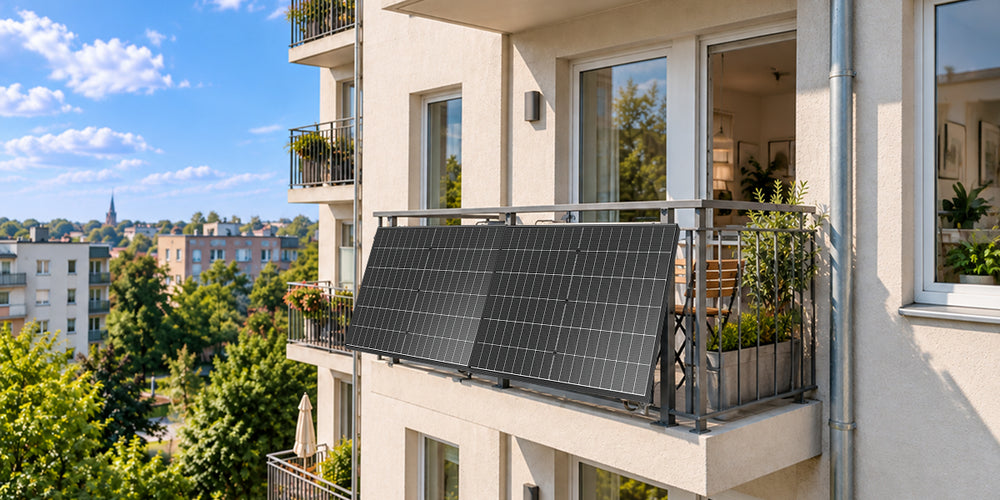
For home batteries, smart control can help avoid adding unnecessary demand or feed-in pressure during periods of high grid load. For example, solar energy can be used to charge the battery, allowing part of the excess solar power generated around midday to be used later in the evening. However, the exact charging and discharging strategy needs to take local grid conditions into account. If large numbers of batteries charge or discharge at the same time in response to the same market signals, they could potentially increase local grid pressure instead.
The Netherlands has already begun exploring smart energy-use schemes to help ease grid congestion in some regions. Under a specific grid-congestion control programme, participating households in eligible areas in Flevoland, Gelderland and Utrecht may receive compensation for allowing compatible devices, including home batteries, to be controlled during periods of grid congestion. These schemes are not yet available nationwide, and the eligibility requirements and compensation depend on the specific local programme and service provider.
Is this the same as energy trading?
Not exactly.
Several different strategies can exist:
- self-consumption optimization;
- dynamic price arbitrage;
- balancing-market participation;
- local congestion management;
- combinations of the above.
A consumer should know which strategy their battery is using and who controls it.
The important user questions
Before connecting a battery to an external controller, ask:
- Who has permission to control the battery?
- Can the user override the strategy?
- Is a minimum backup reserve protected?
- How often may the battery cycle?
- How is battery degradation accounted for?
- Is compensation fixed, variable or market-dependent?
- What happens if the internet connection fails?
- Can the user leave the programme easily?
Why AI and forecasting matter
The best decision is not always obvious from one signal.
If electricity is cheap now but tomorrow's solar forecast is extremely strong, charging the battery from the grid may reduce room for solar energy.
If the grid is congested later, keeping capacity available could have more value.
A modern EMS therefore needs to combine multiple inputs rather than optimize one variable in isolation.
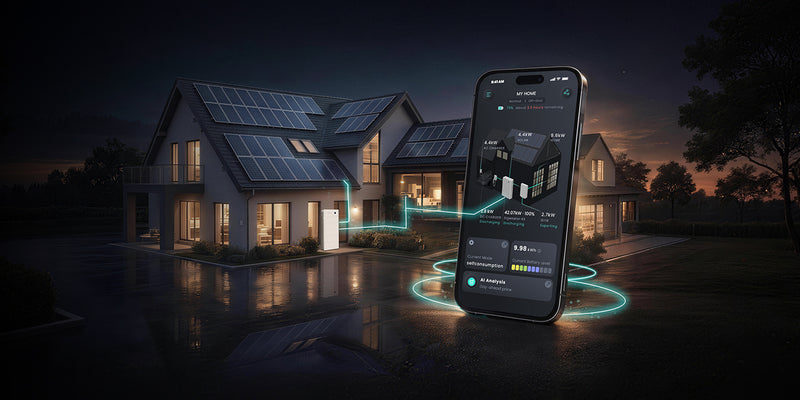
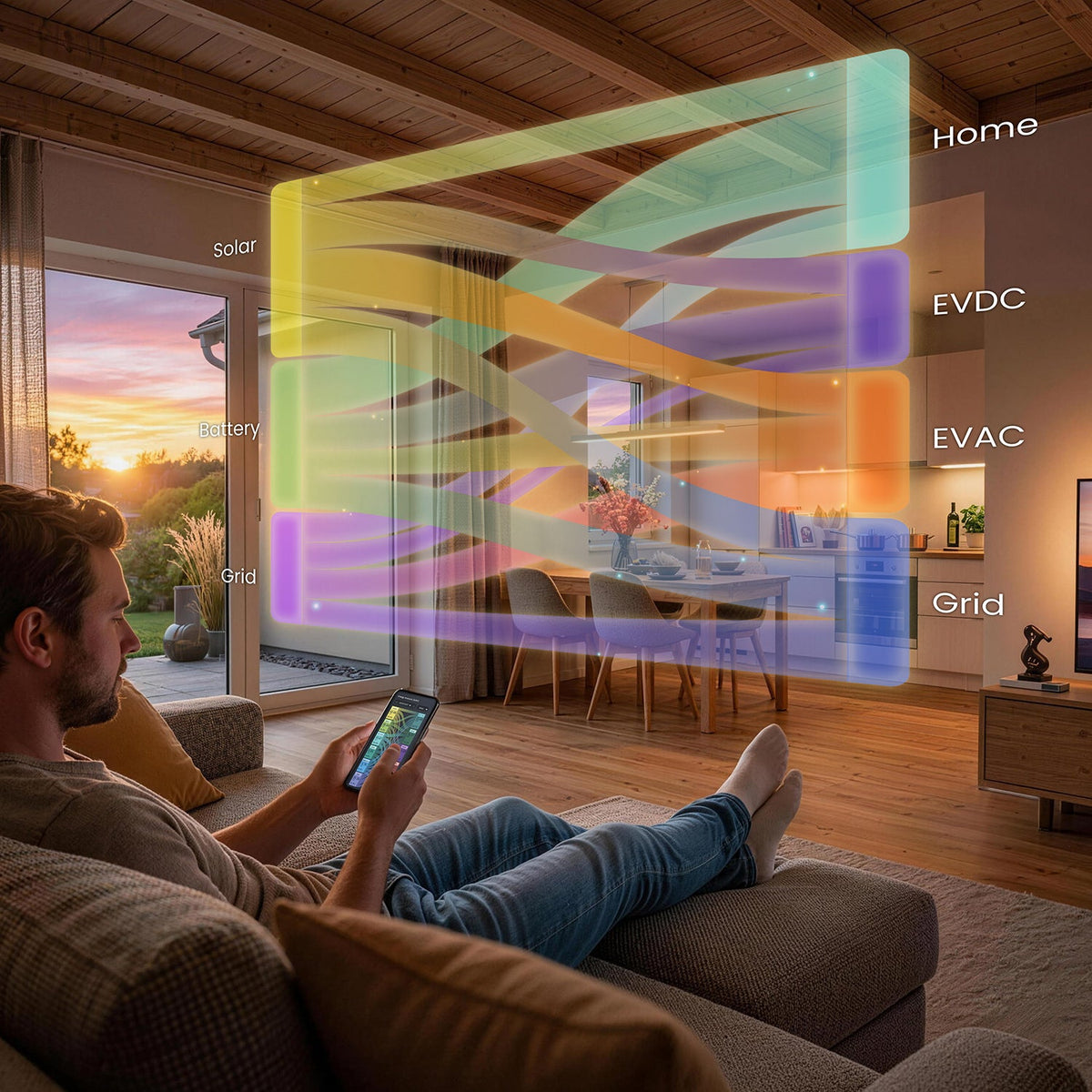
Sigen AI combines dynamic electricity tariff data, historical energy usage, weather information, solar generation forecasts, household load forecasts and battery state-of-charge forecasts to plan smarter charging and discharging.
With electricity price and cost data from the past 24 hours, alongside forecasts for solar generation, household load and battery state of charge over the next 24 hours, Sigen AI helps households plan when to store and use energy, subject to system configuration and operating constraints.
With compatible smart meters such as HomeWizard P1, EcoTracker IR and supported Shelly devices, mySigen can provide clearer insights into household electricity consumption and grid power flow.
For supported integrations, mySigen also offers Modbus IP visibility, MCP-based interaction, Remote EMS capabilities and VPP (Virtual Power Plant) scheduling. Available data, control permissions and service access depend on the device, firmware, connected accessories, authorised provider and local configuration.
What this means for battery buyers
Consumers should increasingly compare control architecture, not just hardware.
The important question is changing from “How many kWh does this battery have?” to “Who decides what the battery does, based on which signals, and can I understand or override that decision?”
Participation depends on the provider, location and compatible device. Supported interfaces do not guarantee access to a particular Dutch programme or compensation.
Source
Dutch government: compensation for electricity use outside peak hours




Leave a comment
This site is protected by hCaptcha and the hCaptcha Privacy Policy and Terms of Service apply.