

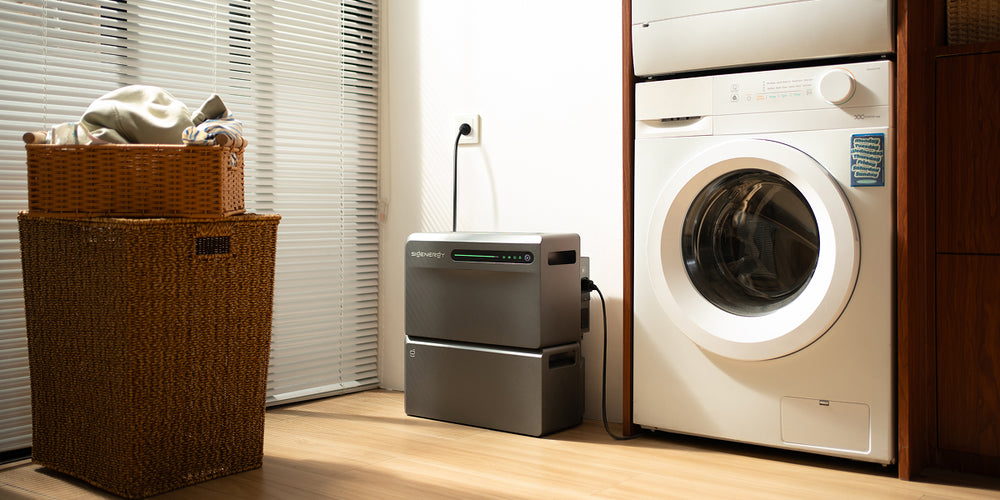
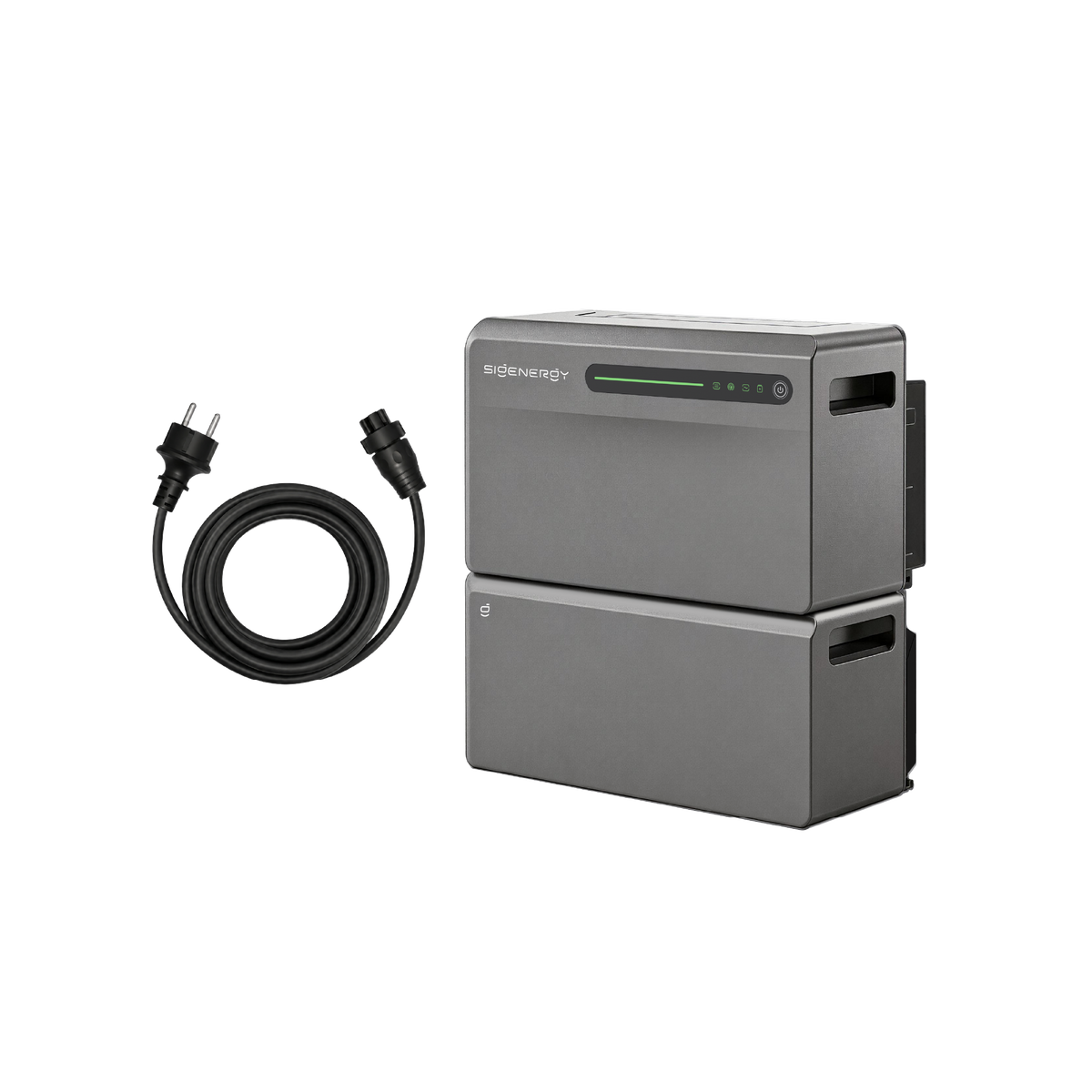

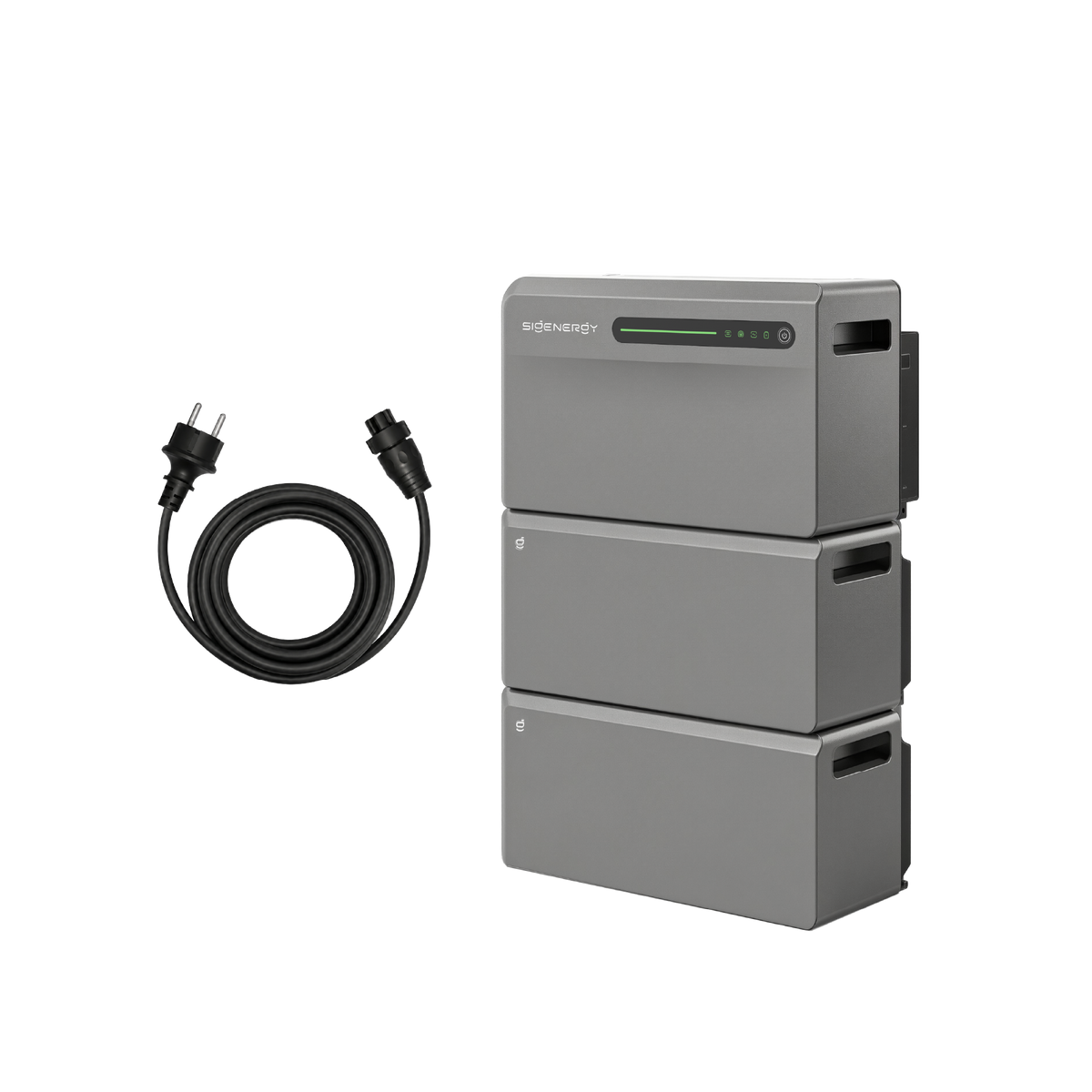

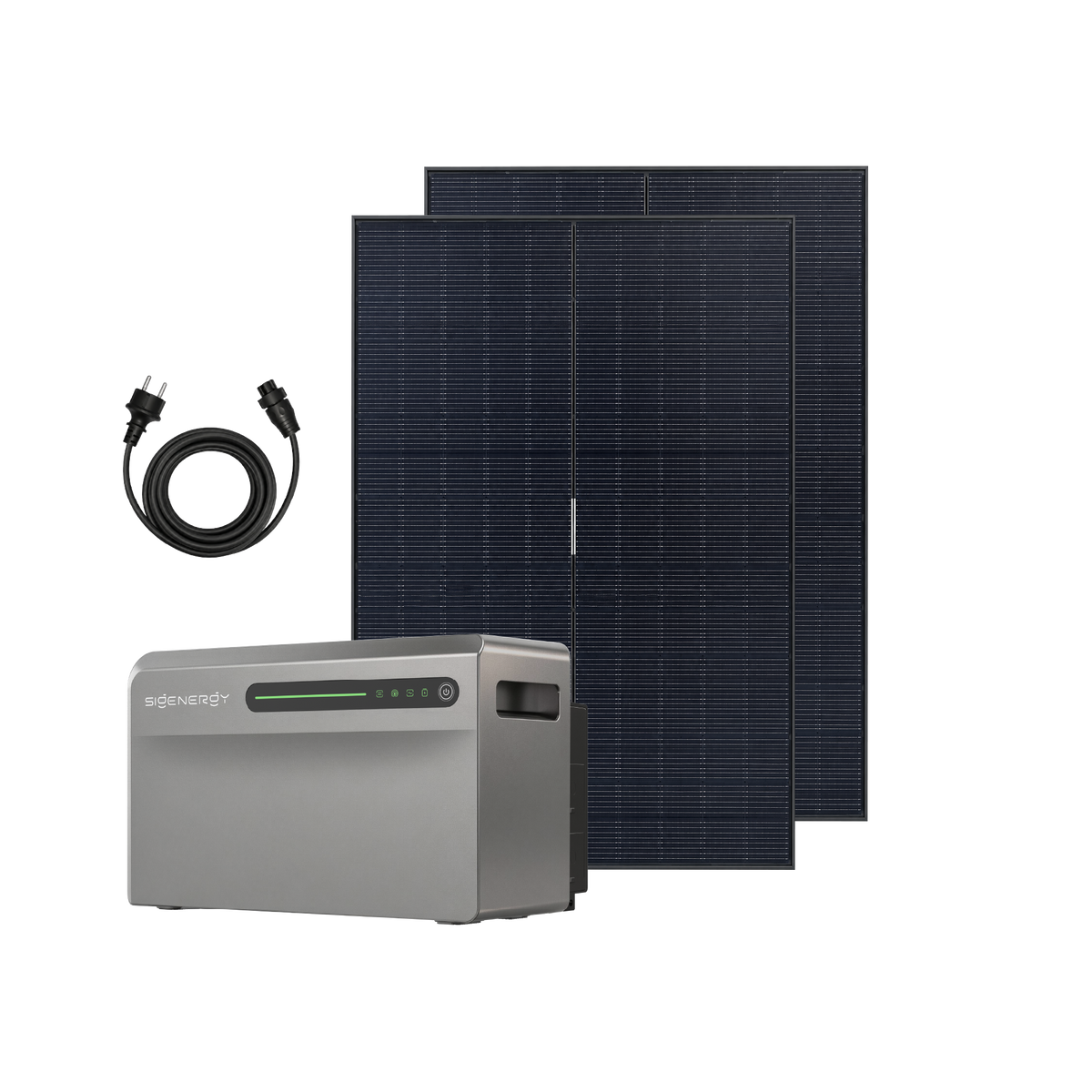




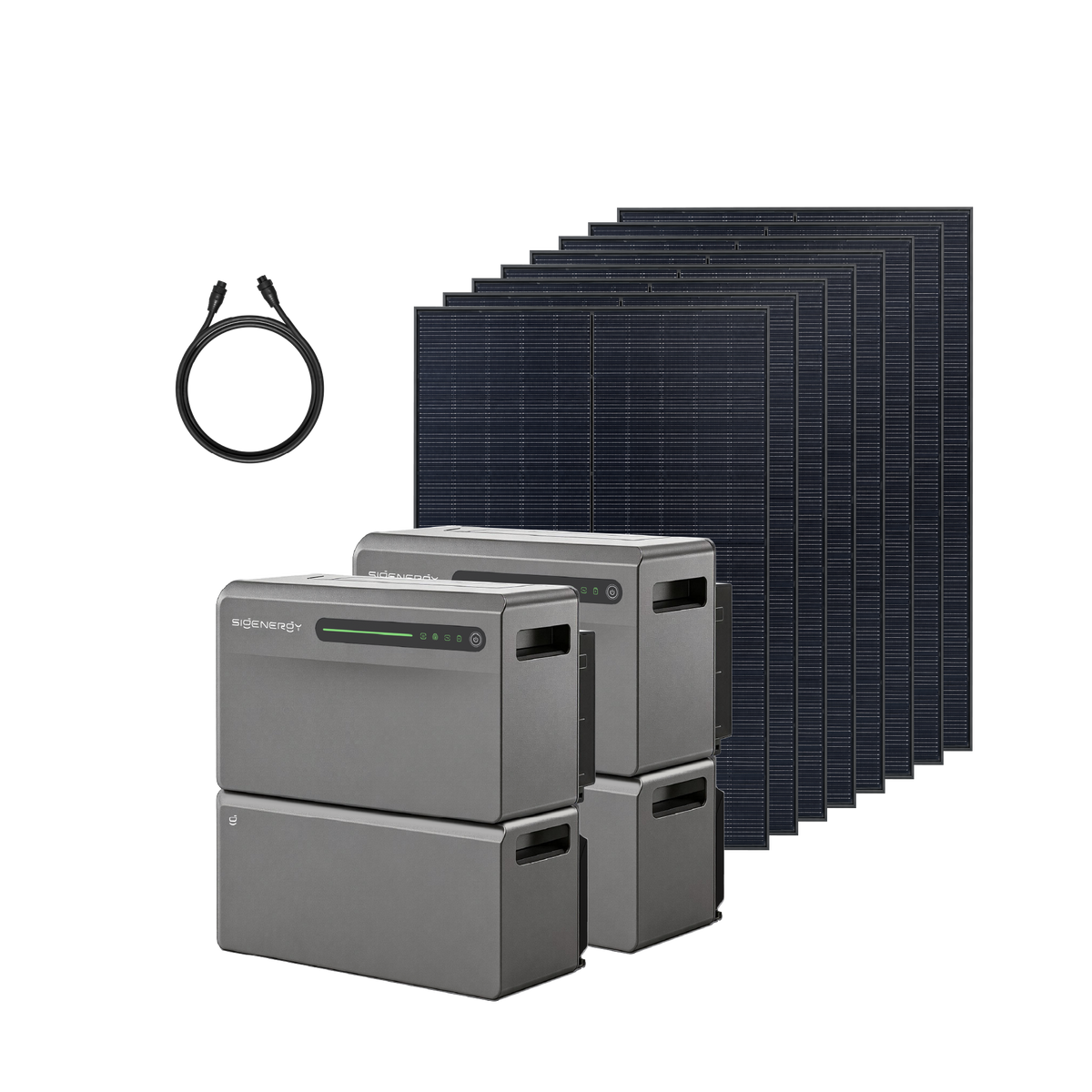




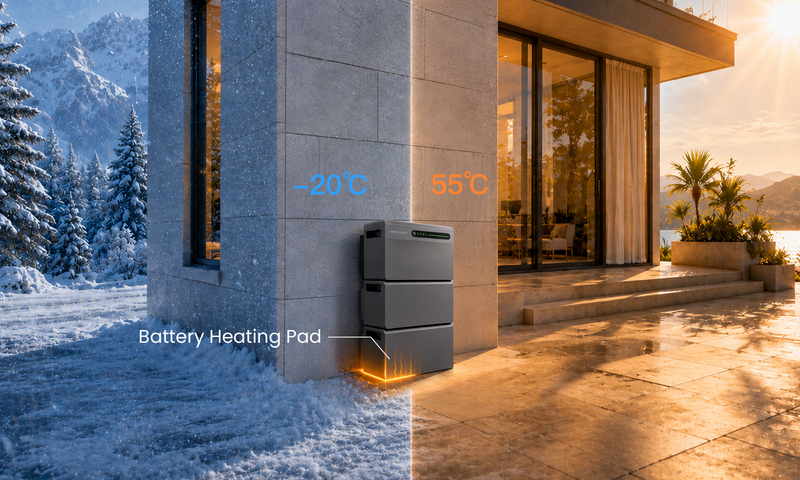

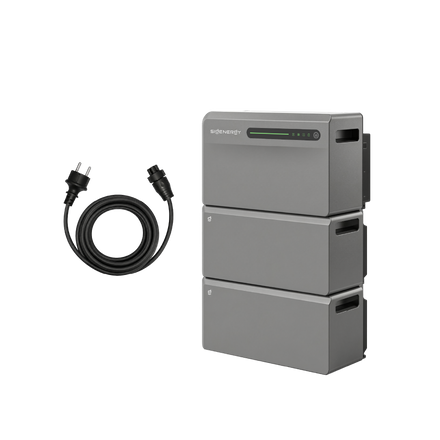
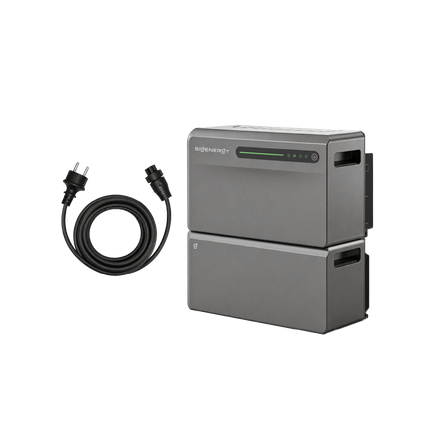
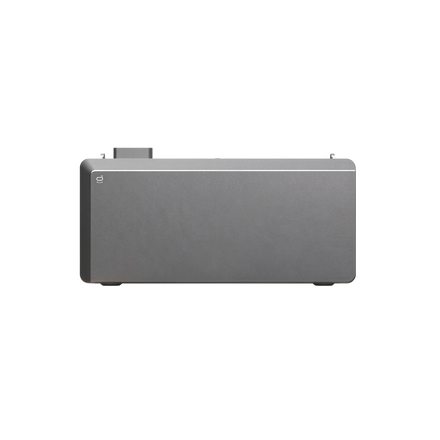
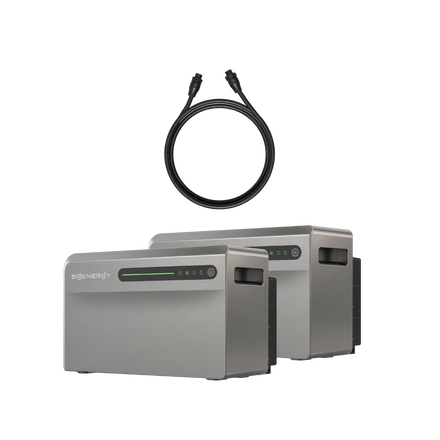
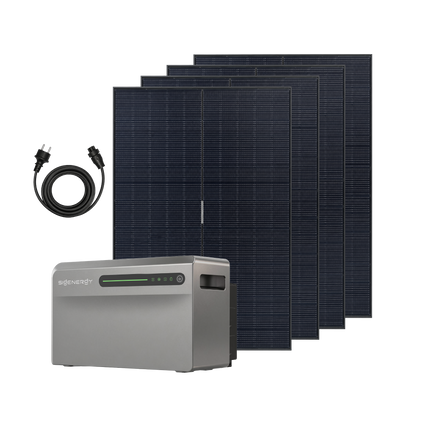

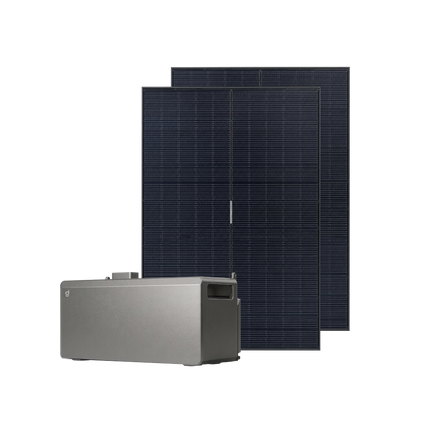
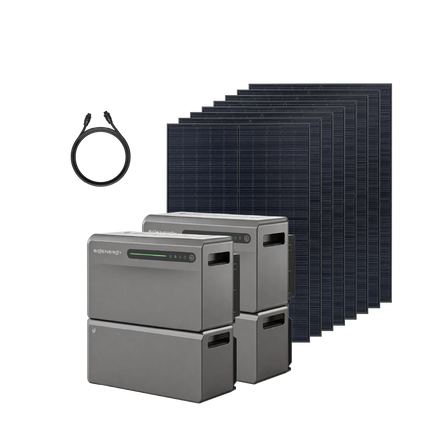
The plug-in battery category is getting larger
Early plug-in batteries often focused on compact capacities around 2 kWh and relatively modest power output.
When comparing 2 kWh and 5 kWh-class products, check capacity and output power separately.
That raises a practical question: does the average household actually need the larger system?
Start with the energy you want to shift
Capacity answers the question: how much electricity do you want to move from one part of the day to another?
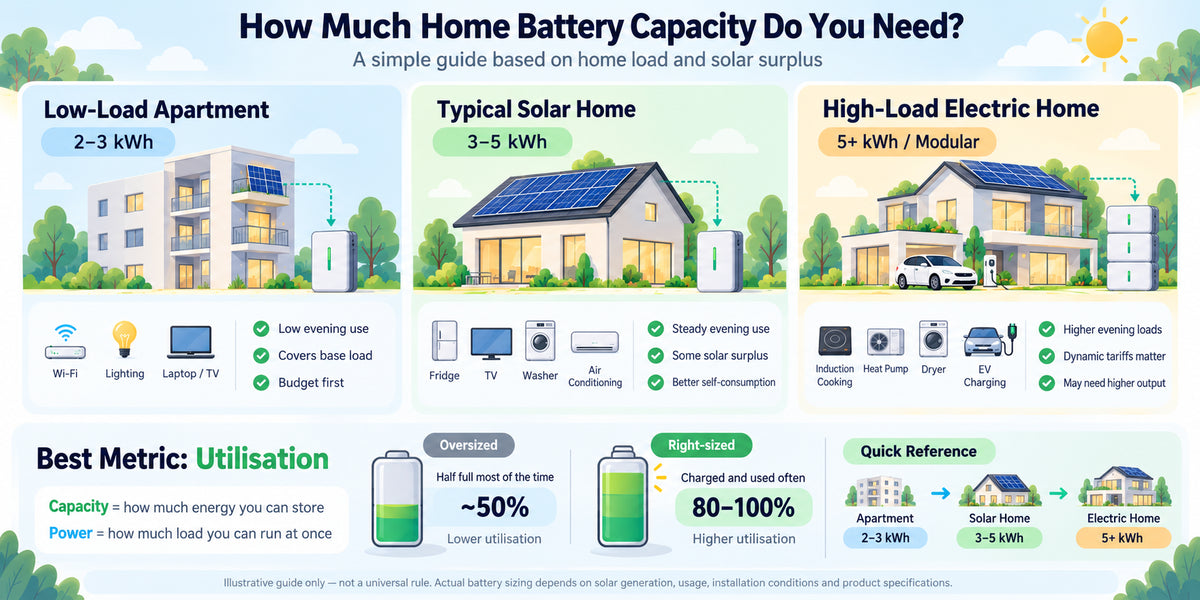
If a household exports around 2–3 kWh on a typical sunny afternoon and consumes roughly the same amount after sunset, a compact battery may already cover much of the opportunity.
If the household regularly exports 6–10 kWh and has high evening demand, 5 kWh or more becomes more relevant.
Then look at power
A larger battery does not necessarily mean higher power output. Compare the actual power rating of each product.
This becomes especially important in fully electric homes.
A 700–800 W battery can effectively cover a household’s basic background consumption, but it cannot fully meet the demand of high-power appliances such as a 2 kW kettle, tumble dryer or cooking appliances. Any demand above the battery’s output capacity still needs to be supplied by the grid.
Multi-kilowatt battery systems can handle larger household loads — but the actual available power also depends on the product’s output capability, the home’s electrical system and local grid connection requirements. In the Netherlands, battery systems with a power rating of 0.8 kW (800 W) or more must also be registered via Energieleveren.nl. For multiple batteries, check the registration requirements for the combined installation.
In simple terms: capacity determines “how much energy you can store,” while power determines “how much load you can run at the same time.”
Which households benefit most from higher output?
Higher power can matter more when the home has:
- induction cooking;
- tumble dryer;
- electric boiler;
- heat pump;
- EV charging;
- several appliances running simultaneously.
For a low-consumption apartment, the extra output may be used only occasionally.
What about dynamic tariffs?
A 5 kWh battery also creates more room for price shifting.
If the system supports grid charging, it can store more electricity during low-price hours and potentially use it later.
But larger capacity only adds value when there is enough daily price spread and enough later consumption, after losses, taxes and contract costs.
Buying more kWh simply because prices occasionally go negative is not a robust strategy.
What about solar after 2027?
When Dutch net metering ends on 1 January 2027, households will have more incentive to use solar electricity themselves.
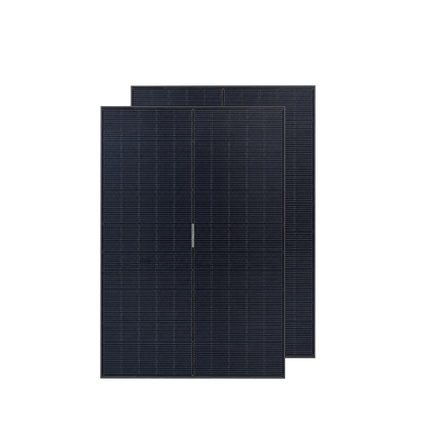
A larger battery can absorb more midday surplus, but only if the solar array regularly produces that surplus.
A home with a small PV system may not fill 5 kWh on many days.
2 kWh can be enough when...
- evening demand is modest;
- the goal is mainly to cover baseload;
- solar surplus is limited;
- purchase cost is a high priority.
5 kWh becomes more relevant when...
- the home has larger evening loads;
- solar export is consistently high;
- dynamic-tariff strategies are important;
- future electrification is likely;
- the battery can deliver useful multi-kW output.
The right metric is utilization
A battery that cycles through most of its usable capacity regularly is often a better fit than a much larger battery that remains half full.
This is why household data matters more than product size alone.
The sizing examples and graphic are illustrative, not universal recommendations. Use your household measurements and account for seasonal variation and conversion losses.
Sources




Leave a comment
This site is protected by hCaptcha and the hCaptcha Privacy Policy and Terms of Service apply.