


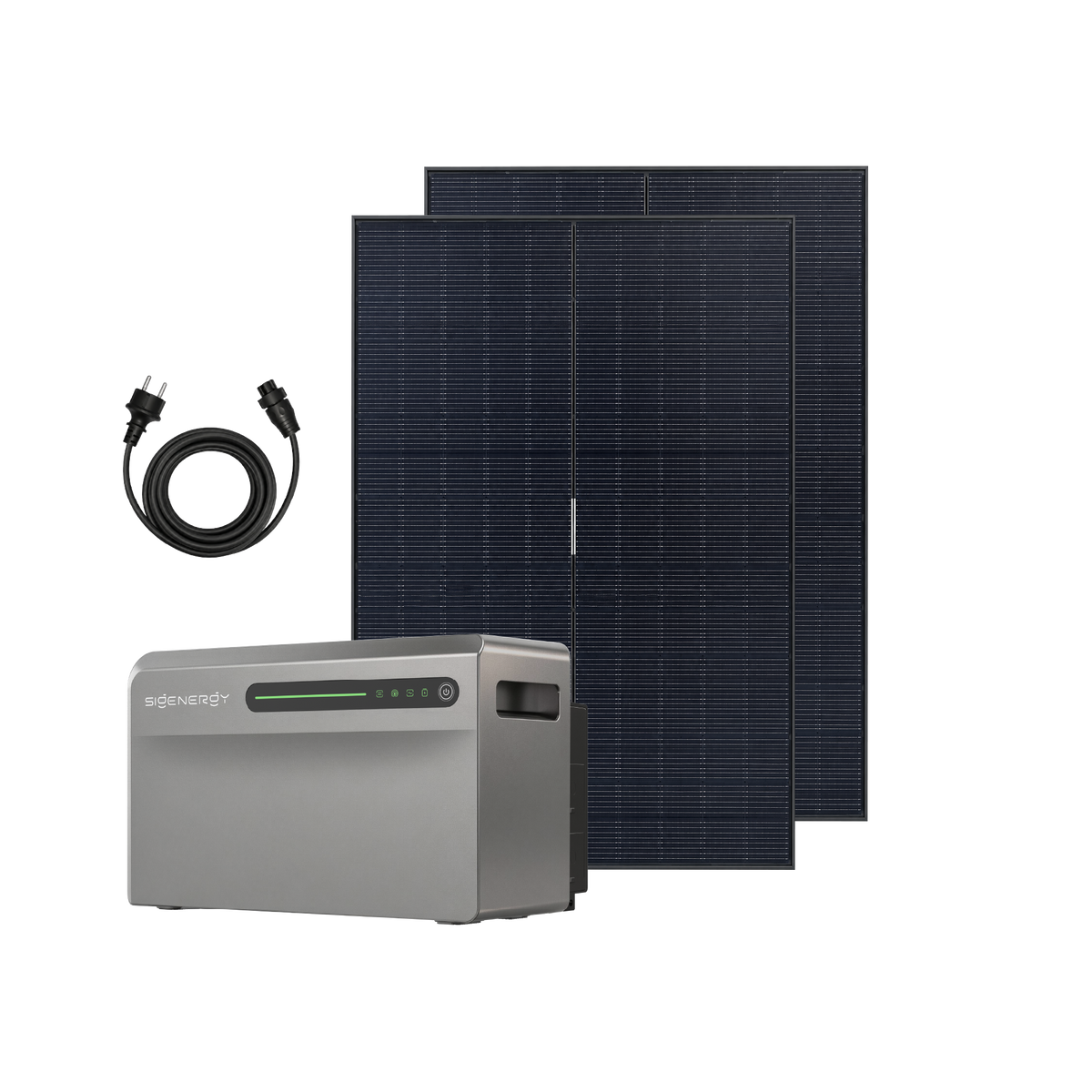


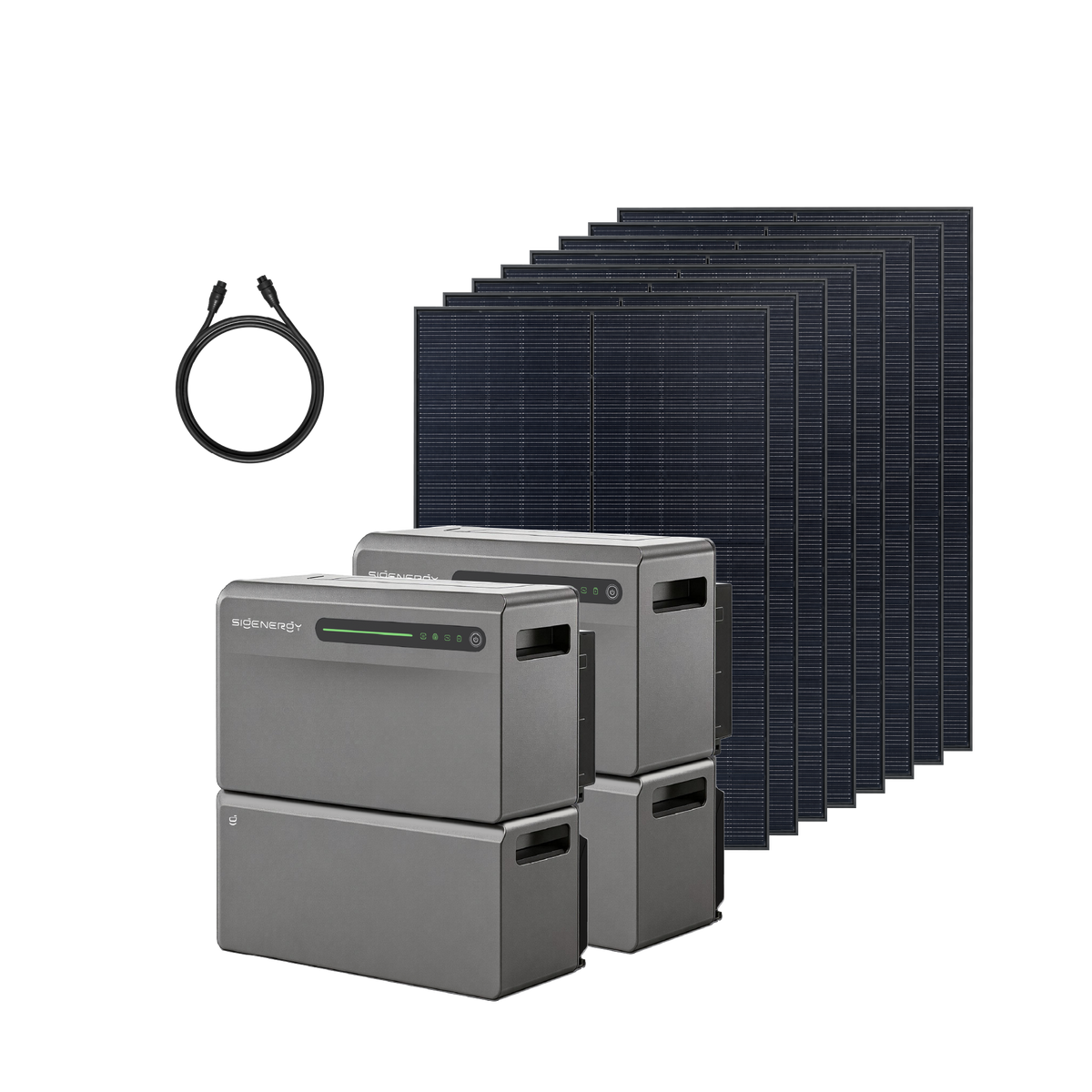
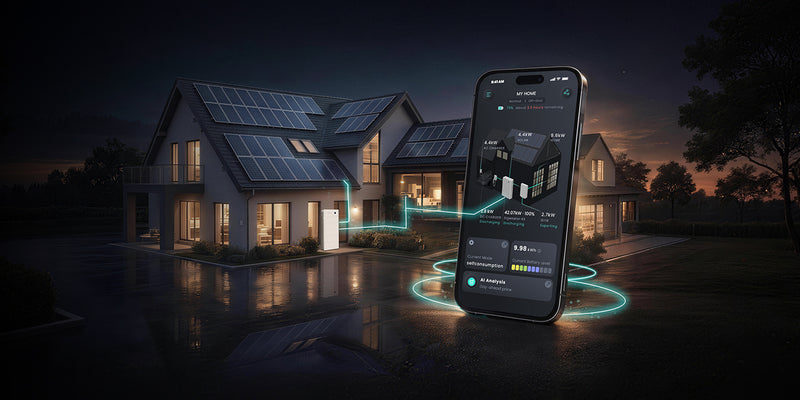


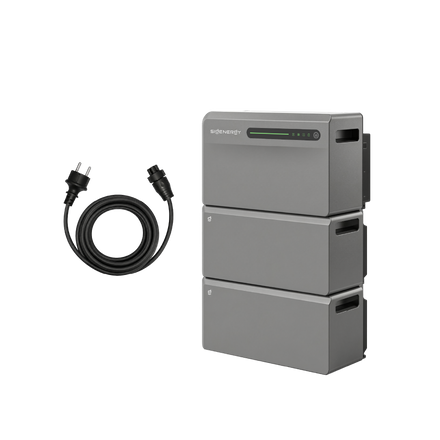
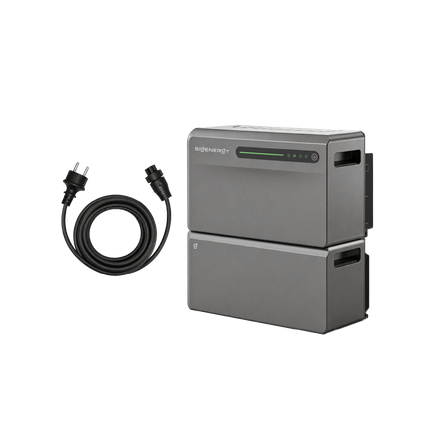
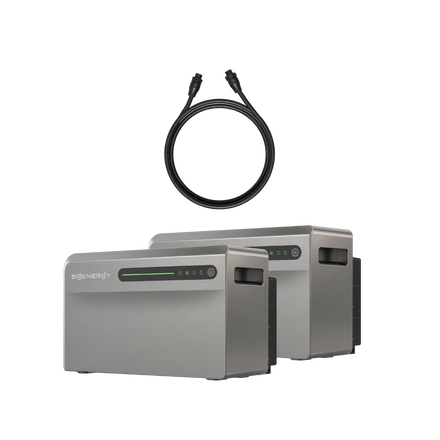

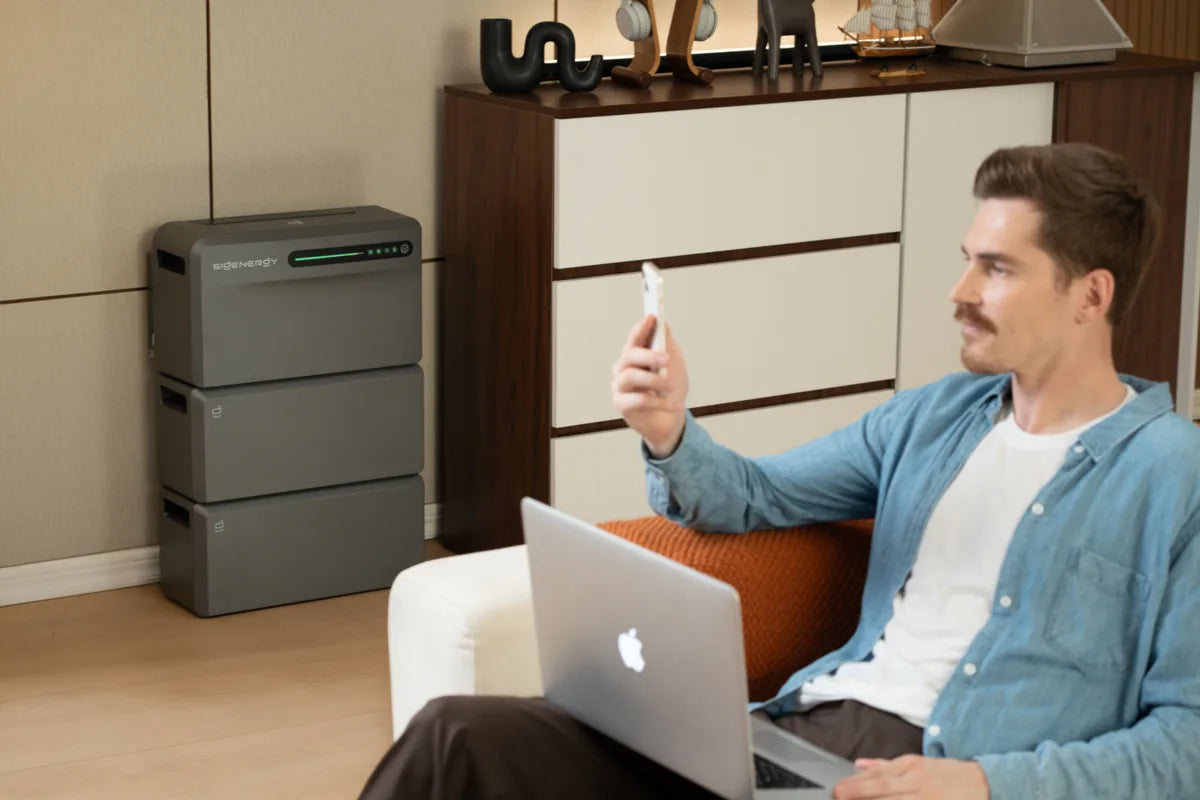
A smart home battery can respond to solar production, household demand and electricity prices. It uses software, network connections and an app. Some functions also depend on cloud services.
Digital security therefore deserves attention alongside capacity, power and warranty.
On 7 October 2026, the Dutch Rijksinspectie Digitale Infrastructuur (RDI) warned that a cyberattack or faulty update could affect many connected energy devices simultaneously. These include home batteries, inverters, charging points and heat pumps. Central control of many devices can create a risk for the electricity grid. Read the RDI announcement.
Use this checklist before buying or connecting a home battery.
Which connections does a home battery use?
An installation may involve:
- communication between the battery, meter and inverter;
- the household Wi-Fi or Ethernet network;
- a mobile app;
- a manufacturer’s cloud platform;
- an installer or service account;
- a connection to an energy supplier, aggregator or energy-management service;
- a connection for firmware updates.
For each part, ask who has access, what they can do and who provides support.
Nine questions before you buy
1. How is my account protected?
Ask which login protections and account-recovery procedures are available. Use a strong, unique password and enable two-step verification if the app supports it. Do not share your personal login credentials with an installer or seller.
The RDI’s advice includes unique passwords, updates and two-step verification where available.
2. Who can control the installation remotely?
Clarify the access available to the owner, installer, manufacturer, service partner and energy supplier. Can they only view information, or can they change settings? Ask how you can review and revoke access.
3. How are updates handled?
Ask whether software updates are checked before installation and how you receive information about changes.
Also discuss:
- whether important security updates can install automatically;
- what happens if an update fails;
- how a problem is resolved;
- how long security updates will remain available.
4. What happens without internet or cloud access?
Ask for a description covering the exact model and software version. Which charging and discharging functions remain available? Which settings are retained? Do monitoring, price information and automated strategies still work?
Distinguish internet outages from power outages. A local function or offline mode does not establish that every smart or backup function will continue under all conditions.
5. What data is collected and shared?
Energy data can reveal patterns of household use. Read the privacy notice that applies specifically to the app and service.
Check what is collected, why it is needed, where it is processed, who can access it and how long it is retained. Ask about transfers to other countries as well.
6. Does the installer account remain active?
Access may be needed for installation or support. Ask how it is limited, whether actions are logged and how access is removed or changed afterwards.
A separate account with appropriate permissions is easier to control than sharing your own password.
7. Can I disconnect other services?
A dynamic electricity contract or aggregator may add useful functions. Check the permissions you grant and how you can end the connection.
Ask which functions will change afterwards and whether the external service has separate terms.
8. Where can I report a security problem?
Find the security contact or reporting process before buying. Ask how vulnerabilities are handled and how users are informed.
The EU Cyber Resilience Act introduces obligations for products with digital elements. Since 11 September 2026, manufacturers have had a reporting duty for actively exploited vulnerabilities and serious security incidents. Broader product obligations apply from 11 December 2027. See the RDI’s explanation.
9. How long will digital support remain available?
A battery may stay in use for many years. Ask separately about support for hardware, the app, cloud services and security updates.
What happens if a service ends? Which functions remain available, and how can you access your data?
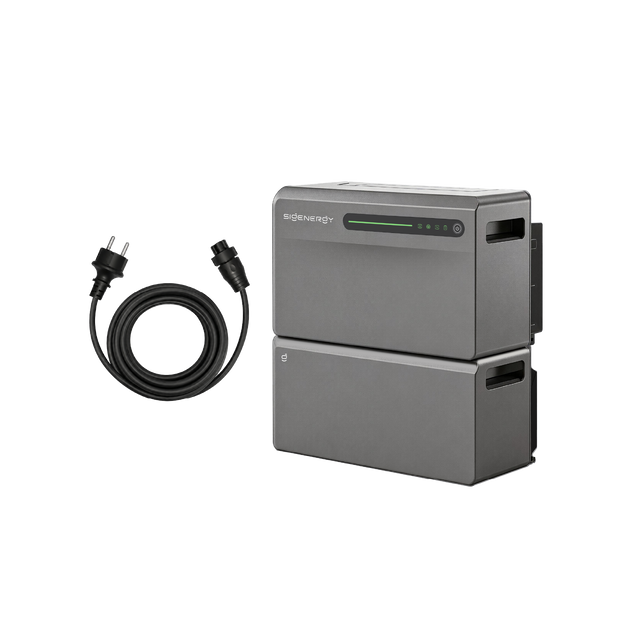
What does this mean for SigenMate?
Before using SigenMate, check the documentation for your exact configuration and current mySigen version. Ask our support team which functions continue during an internet or cloud interruption, how long operating data is retained locally and how synchronisation works after reconnection.
Start with the download centre and mySigen information. For privacy questions, request the notice that applies to your app and service, including retention, access and international transfers.
Sigenergy provides a Security Incident Response Center with security information and a vulnerability-reporting route.
Local operation, data storage and cybersecurity are separate subjects. Assess each one and ask for documentation rather than relying on a general security claim.
Practical steps for owners
- Use a unique password and available additional login protection.
- Install updates through the official app or documented procedure.
- Review access and remove unused integrations.
- Keep your router updated.
- Save manuals, serial numbers and support details.
- Contact support about unexplained account or setting changes.
Do not disable protection or control functions without guidance. If you suspect misuse, follow the manufacturer’s instructions.
Frequently asked questions
Can a home battery be hacked?
Connected products can have vulnerabilities. Risk depends on design, account security, updates, access rights and use. A general product description cannot guarantee complete protection.
Should I avoid a smart home battery?
Compare digital support and access rules with your needs, just as you compare capacity and warranty. Ask for clear answers before buying.
Does the battery work without internet?
That depends on the system, configuration and function. Obtain a clear description of which functions continue locally and which need a connection.
Does storage in Europe automatically mean a product is secure?
No. Data location does not answer every question about security, permissions, retention and privacy. Check the applicable privacy notice and technical documentation too.
Sources checked on 13 November 2026.


Leave a comment
This site is protected by hCaptcha and the hCaptcha Privacy Policy and Terms of Service apply.