




Quick answer: Terugleverkosten are charges an energy supplier applies to electricity you feed into the grid. They differ from feed-in compensation. You can reduce avoidable solar export by shifting flexible loads to sunny hours, charging an EV, using suitable storage and coordinating energy use. Whether this lowers your bill depends on your contract and household.
What are terugleverkosten?
Many Dutch energy suppliers charge solar customers costs related to electricity returned to the grid. These charges are commonly called terugleverkosten. They are not the same as the feed-in compensation you receive: one is a supplier cost, the other a payment for exported electricity.
The method differs by supplier and contract. Some use bands based on annual export; others use a different tariff structure. Check your current contract, tariff sheet and annual statement. Reducing exported kWh does not always reduce a banded charge unless you move into a lower band.
Why solar export is becoming a bigger household decision
Solar panels often produce most electricity around midday, while many homes use more in the morning and evening. This mismatch creates export. Dutch net metering has made the timing difference less important for many households, but supplier feed-in costs and the end of statutory net metering from 1 January 2027 make self-consumption more relevant.
Four ways to reduce unnecessary export
1. Run flexible appliances during solar hours
Dishwashers, washing machines, dryers and some heat-pump functions can often be scheduled. Start with safe, practical load shifting: it can require no battery investment.
2. Charge an EV when solar production is high
If your electric vehicle is at home during the day, solar-aware charging can use surplus generation. The benefit depends on when the car is available and the supported charging equipment.
3. Use a home battery
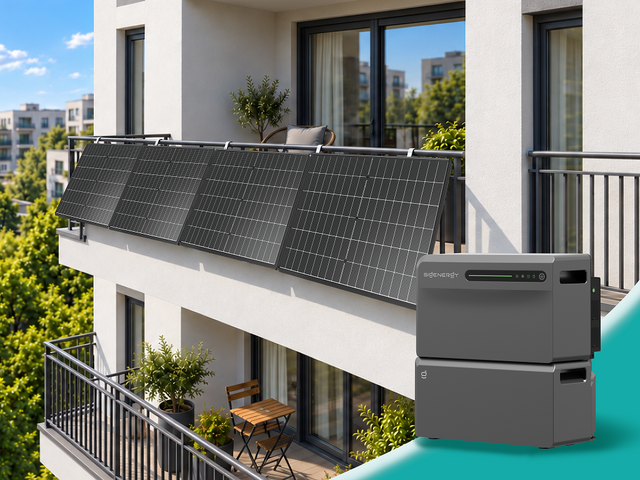
A battery can store part of the solar surplus for later household demand. Its value depends on usable capacity, charge and discharge power, conversion losses, consumption and your supplier's tariff structure. Read how to choose home-battery capacity before sizing a system.
4. Use smarter energy management
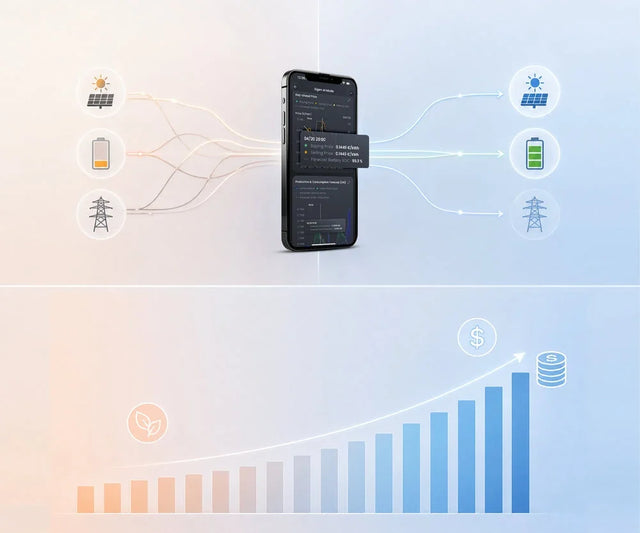
Connected energy management can coordinate solar generation, battery state of charge and household demand, and supported systems can also consider dynamic electricity prices. Charging to 100% immediately at noon is not always the best schedule: expected solar peaks, later demand and tariff changes can affect the decision.
For SigenMate 2700 Ultra, Sigen AI uses forecasts of solar generation and household demand, together with battery state of charge, weather and supported dynamic tariffs, to guide charging and discharging. The validated NL configuration supports a 48-hour forecast horizon. Check the required metering, accessories, configuration and tariff support for your installation. Learn more about the mySigen App.
A battery is not a zero-export switch
Even with storage, a household may still export electricity. If the battery is full and demand is low, solar surplus can remain. Weather changes, charging limits and seasonal differences also matter. A small battery may fill early; a very large one may cost more than the value of the energy it shifts.
The practical goal is to reduce avoidable export, rather than promise that export or feed-in costs will disappear completely.
How to estimate your opportunity
Start with annual PV production, annual or monthly grid export, and evening and overnight electricity demand. Use smart-meter or inverter data at shorter intervals where available: annual totals alone do not show whether surplus and later demand occur on the same day.
- If you export a large share of solar production and buy substantial electricity later that day, there may be more scope for time shifting.
- If you already use most solar electricity directly, a battery's extra benefit may be smaller.
- Compare your contract's export charges, feed-in compensation, import price and charging losses, alongside total installed cost and warranty.
Less export is not automatically the same as a lower bill. Results depend on tariff thresholds, operating strategy and household use; no saving or payback period is guaranteed.
What changes from 2027?
From 1 January 2027, the Dutch salderingsregeling ends. Imported and exported electricity will no longer be offset under that scheme, while exported electricity will still receive compensation. This makes direct solar consumption and smart timing more relevant. See the Dutch government's explanation and check your supplier's current terms.

Explore suitable storage
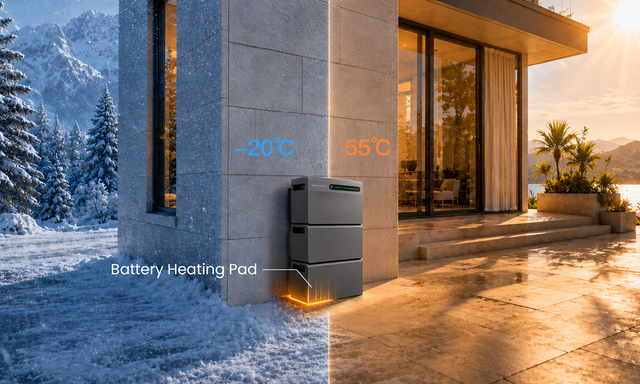
Compare the SigenMate 2700 Ultra main unit with bundles with expansion batteries. Check compatibility with existing solar equipment and the required metering and electrical installation. For installation choices, read plug-in versus fixed home batteries.
Sources
- Rijksoverheid — Net metering ends in 2027
- Sigenergy EU — SigenMate 2700 Ultra
- Sigenergy EU — mySigen App
Worked example — assumptions, not a product forecast
A 24-hour household example
Assume 12 kWh of solar production, 10 kWh of household use, 4 kWh charged from surplus solar and 90% round-trip efficiency. The battery starts and ends empty. These are illustrative assumptions, not measured SigenMate results.
| Time | Solar | Home use | Battery charge / delivered | Grid import / export |
|---|---|---|---|---|
| 00–06 | 0 | 1 | 0 / 0 | 1 / 0 |
| 06–12 | 4 | 2 | 2 / 0 | 0 / 0 |
| 12–18 | 8 | 2 | 2 / 0 | 0 / 4 |
| 18–24 | 0 | 5 | 0 / 3.6 | 1.4 / 0 |
Without storage, this household imports 6 kWh and exports 8 kWh. With the assumed storage, it imports 2.4 kWh and exports 4 kWh; 0.4 kWh is lost in conversion. Four kWh less export is an energy result, not a euro saving. Your supplier contract determines the financial effect. Actual power limits, battery capacity, standby consumption and weather can change the result.
Questions before you choose storage
Do lower solar exports always mean lower terugleverkosten?
No. A supplier may charge by annual export bands, so a reduction only changes the fee when it crosses a threshold. Check the current contract, import price and export compensation together.
Does a home battery remove all solar export?
No. Export can remain when the battery is full, charging power is limited or there is more solar surplus than later demand. Storage reduces some avoidable export; it does not guarantee zero export.
Is a battery required when Dutch net metering ends?
No. Net metering ends on 1 January 2027, but buying a battery is optional. First assess daytime consumption, flexible appliance schedules and your contract, then compare storage cost with household-specific benefits.
Independent guidance: home batteries and solar self-consumption
Sources checked: 4 October 2026 · Sigenergy Team



Leave a comment
This site is protected by hCaptcha and the hCaptcha Privacy Policy and Terms of Service apply.